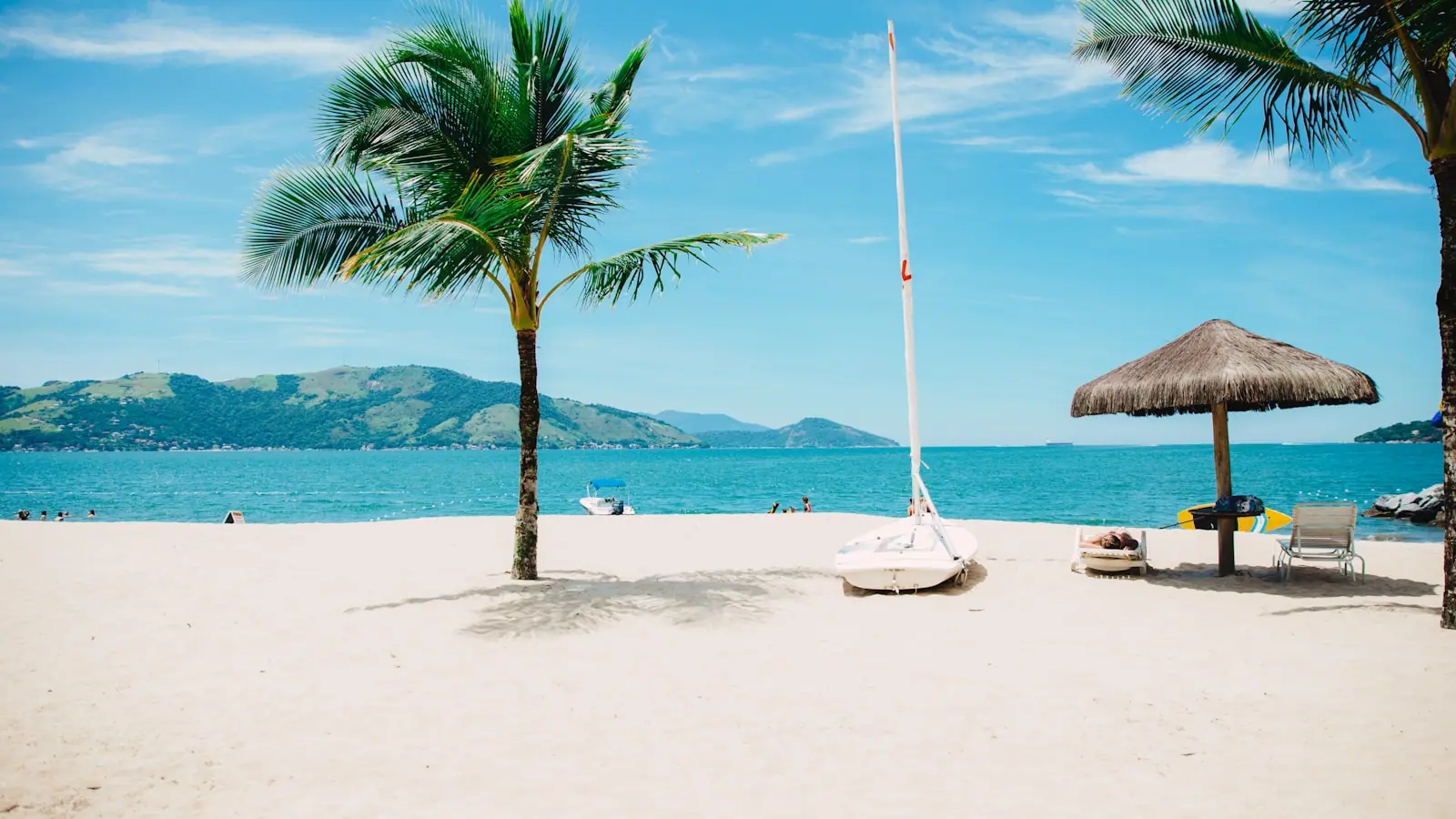
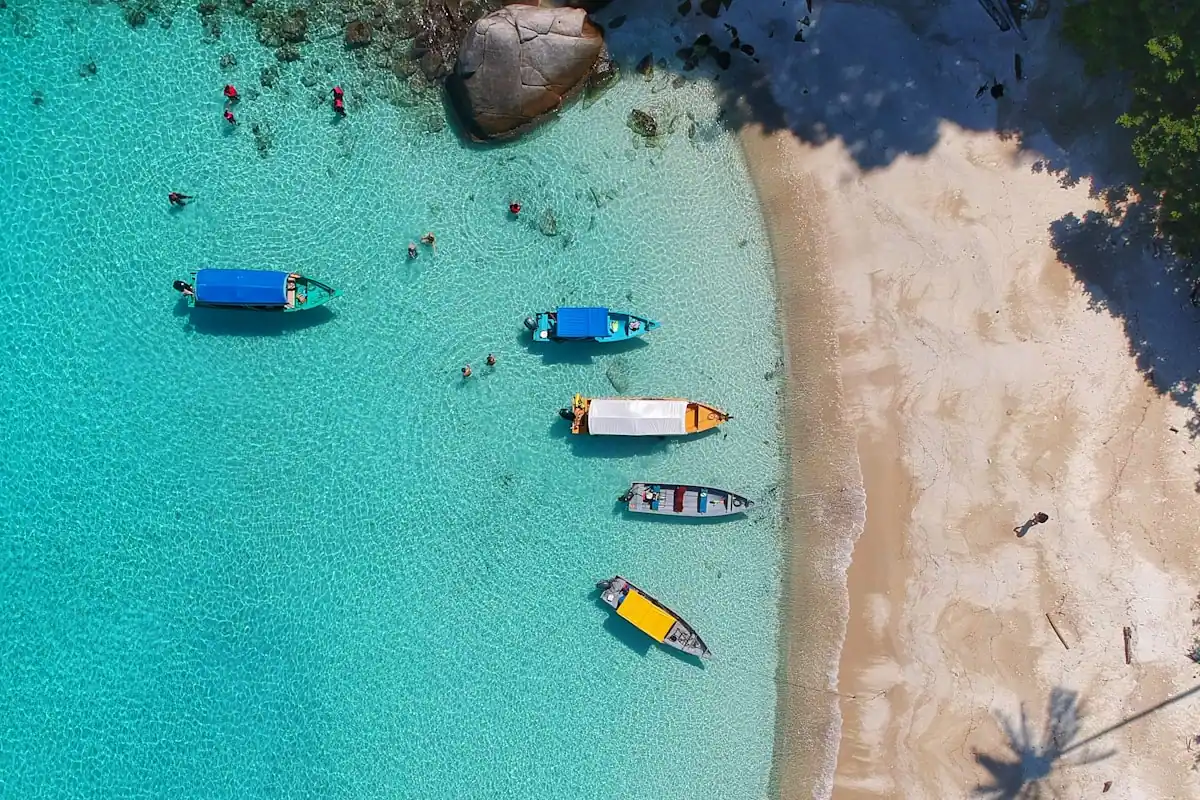
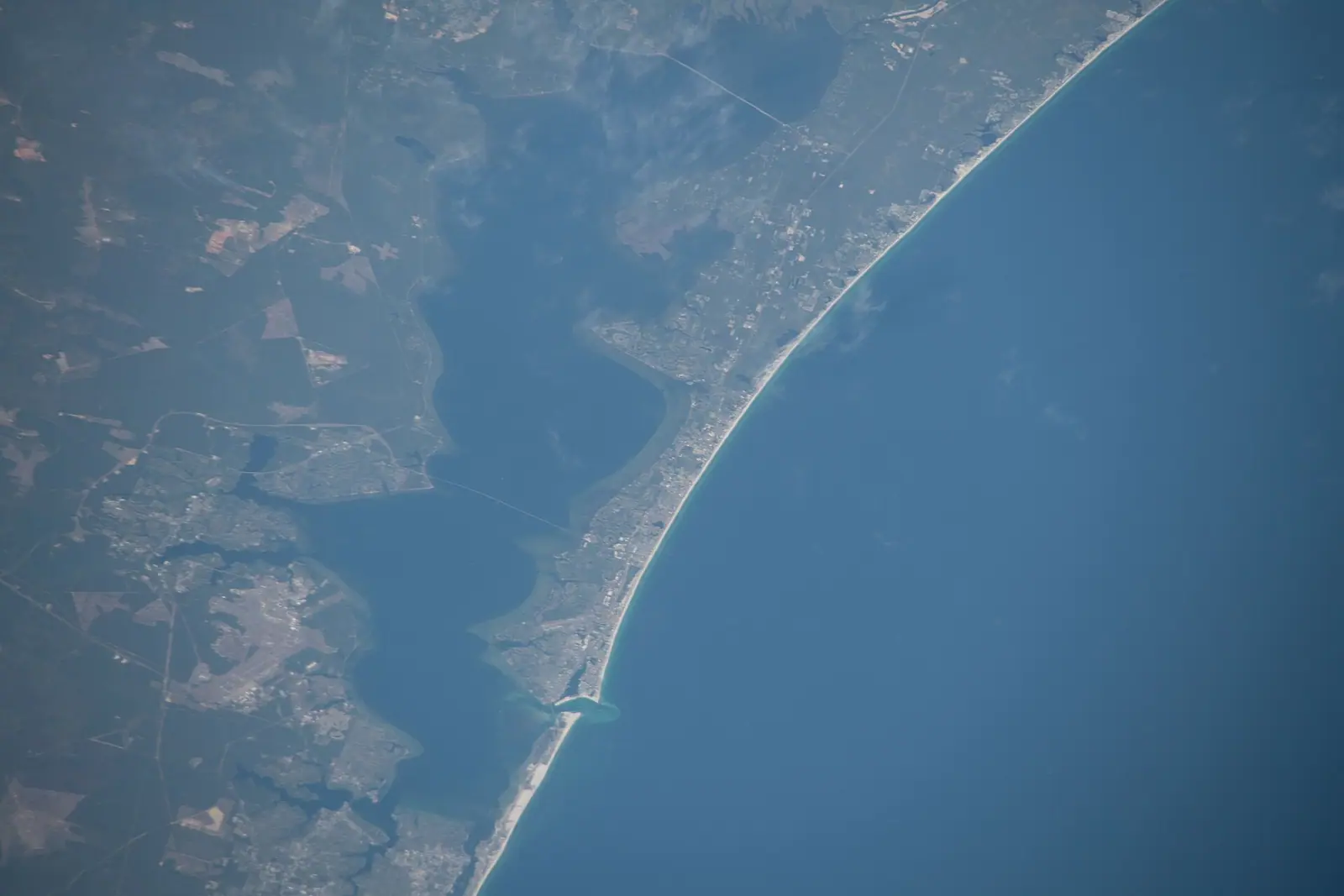
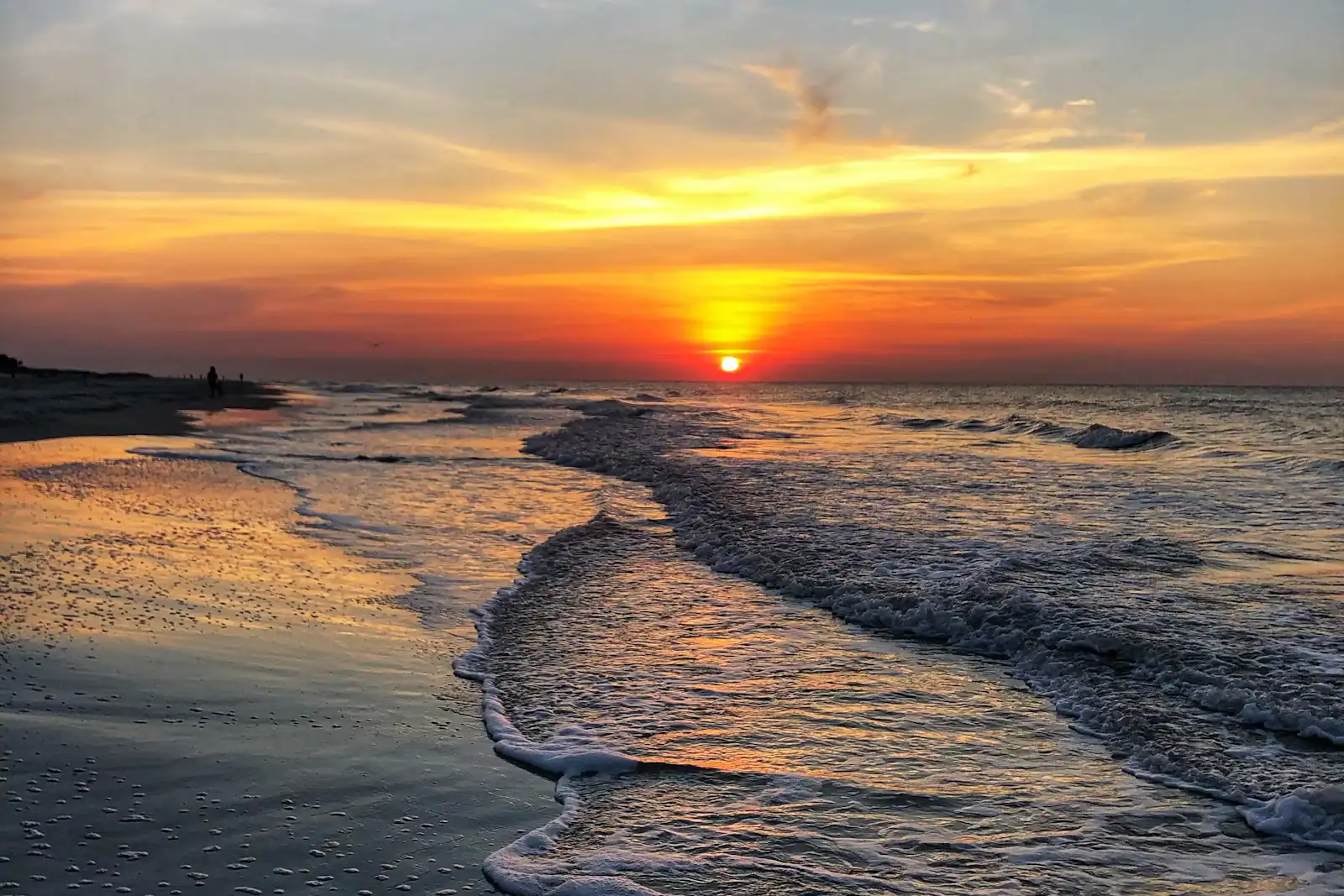
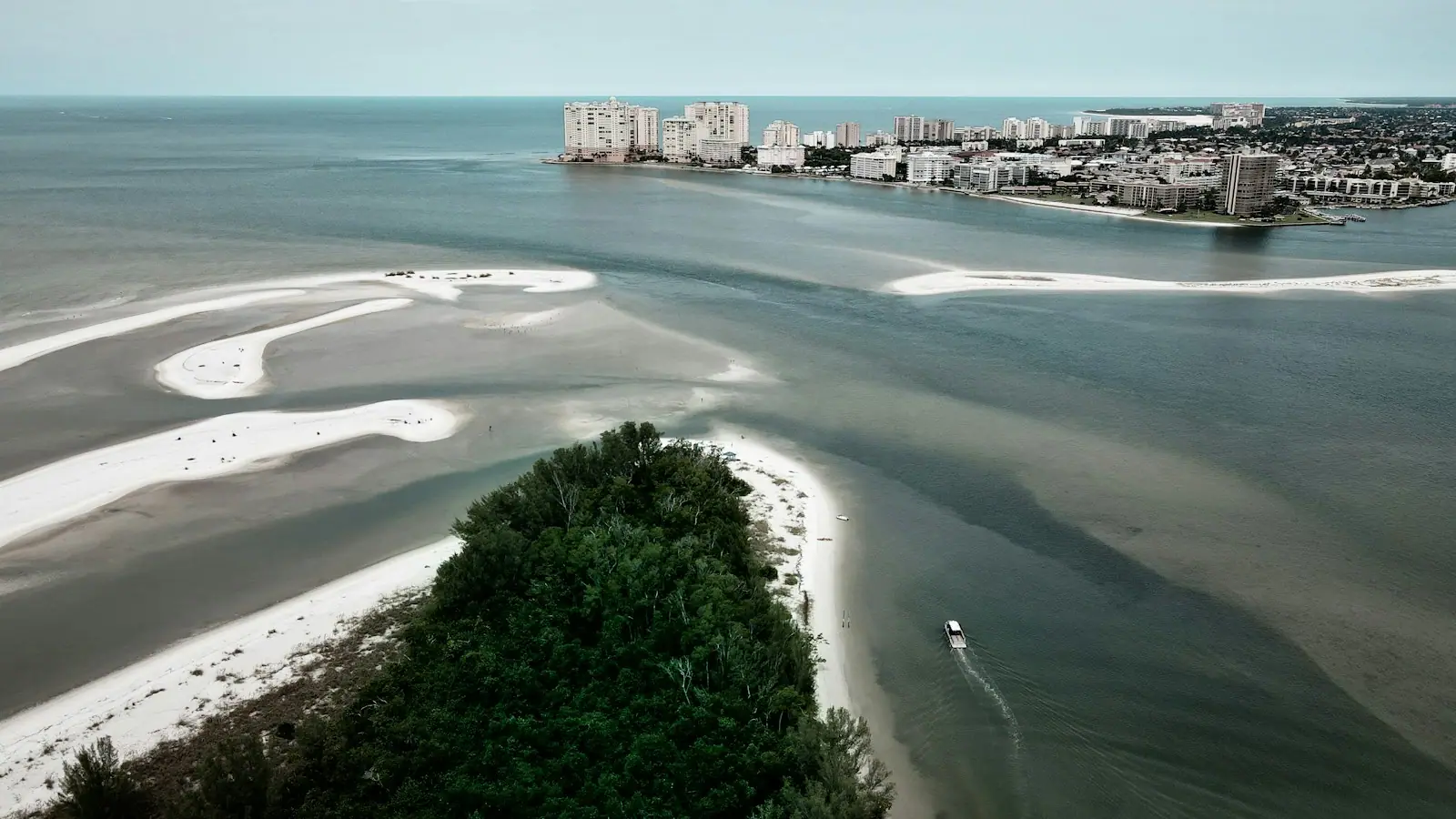
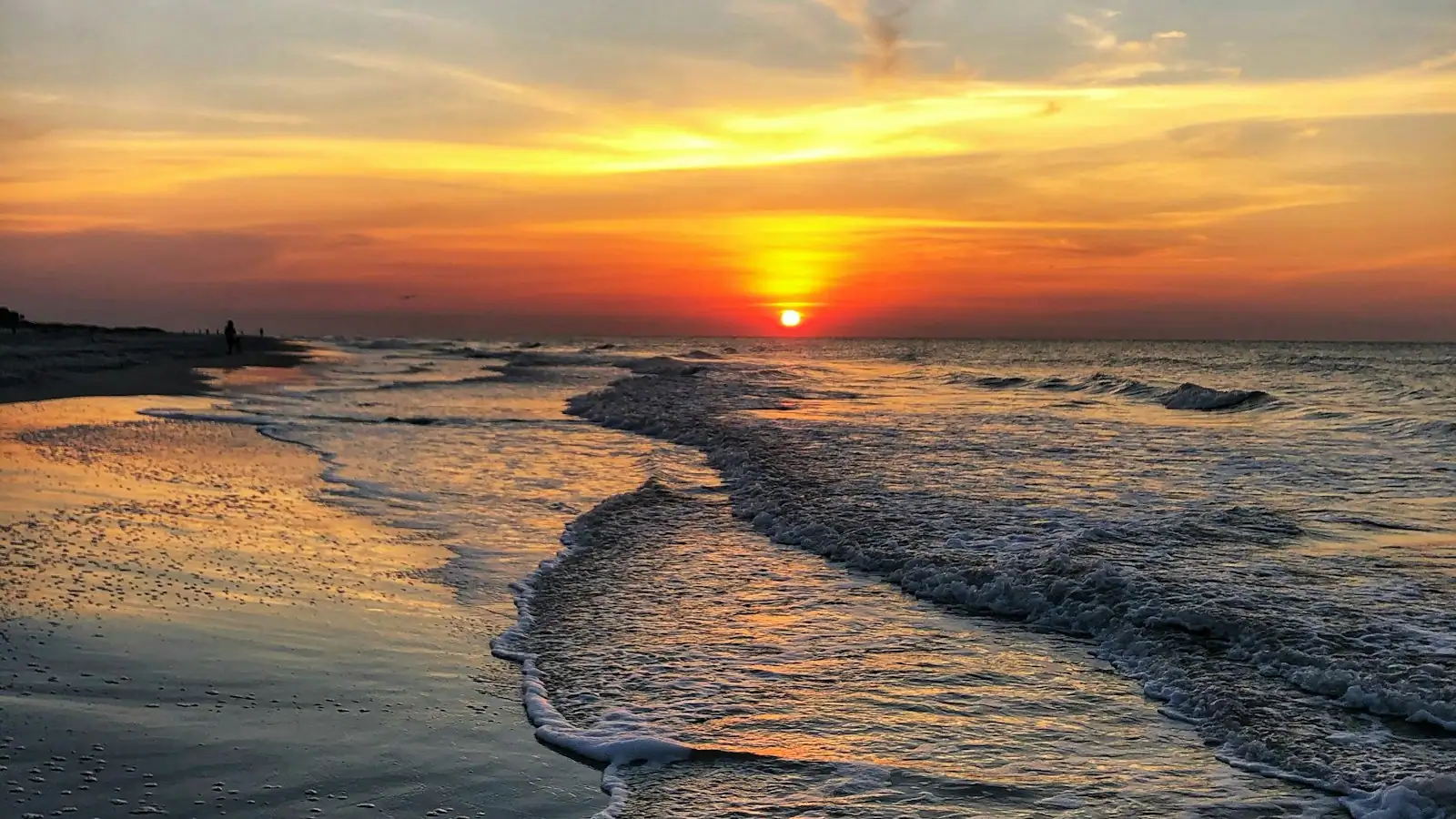
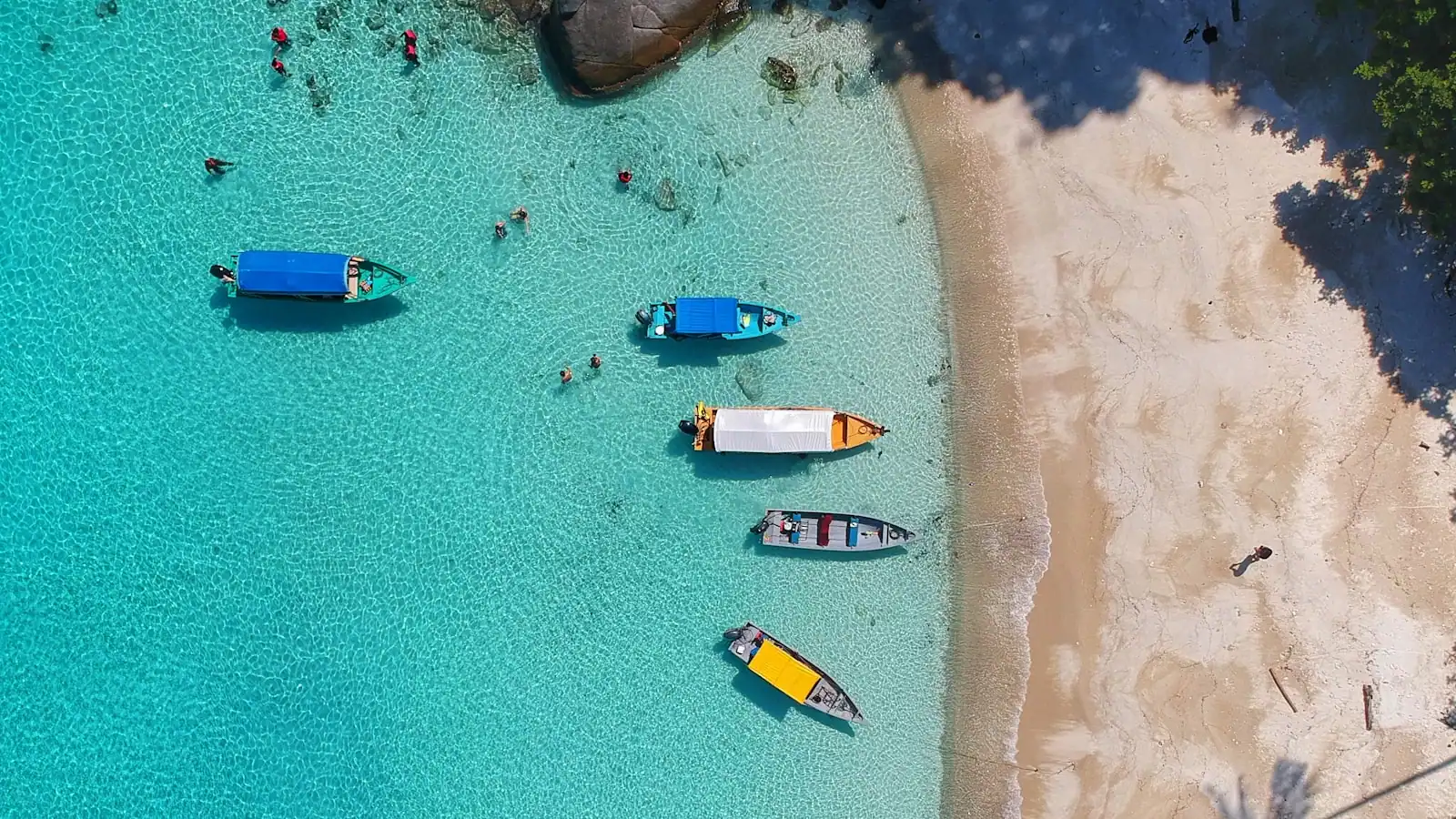
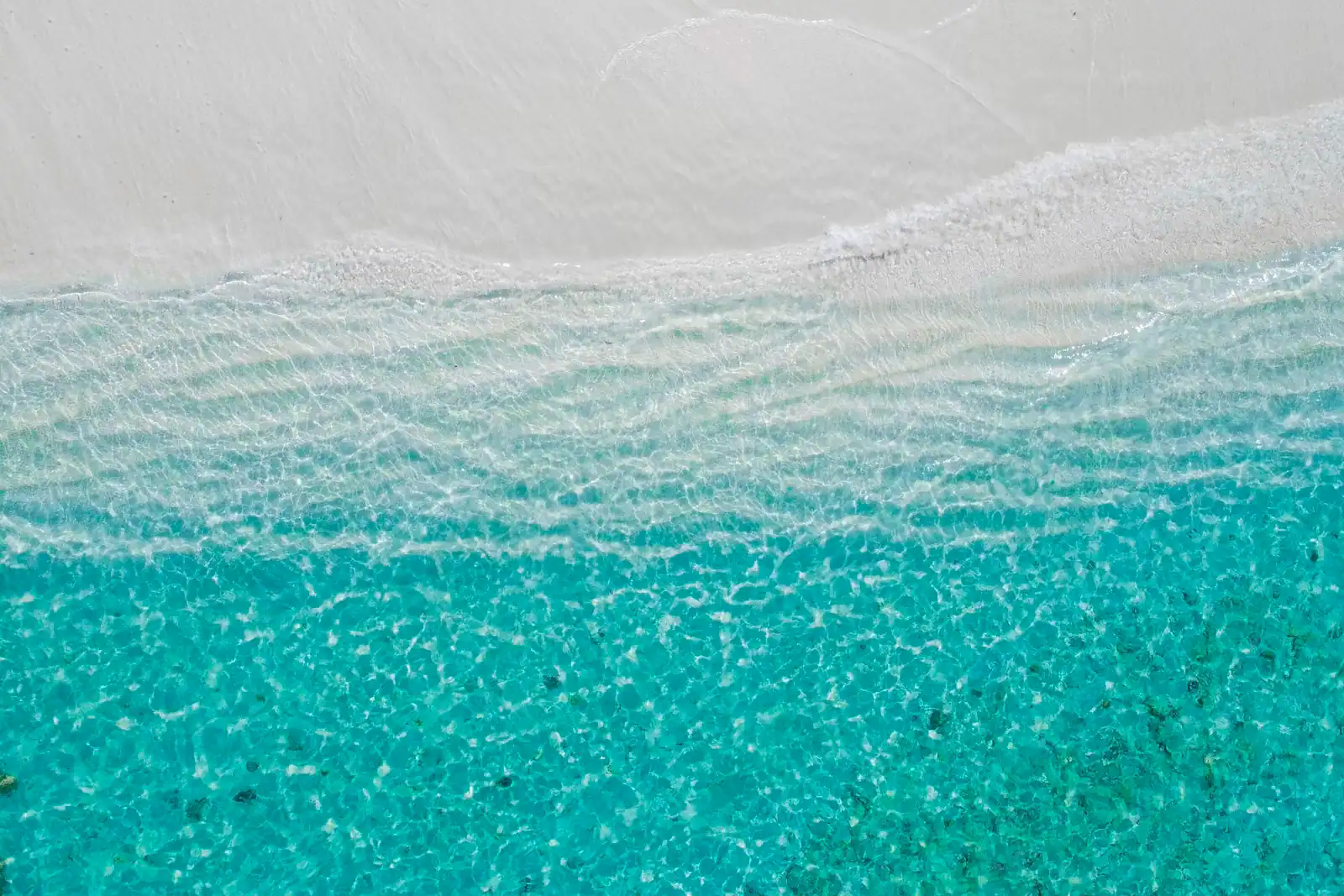
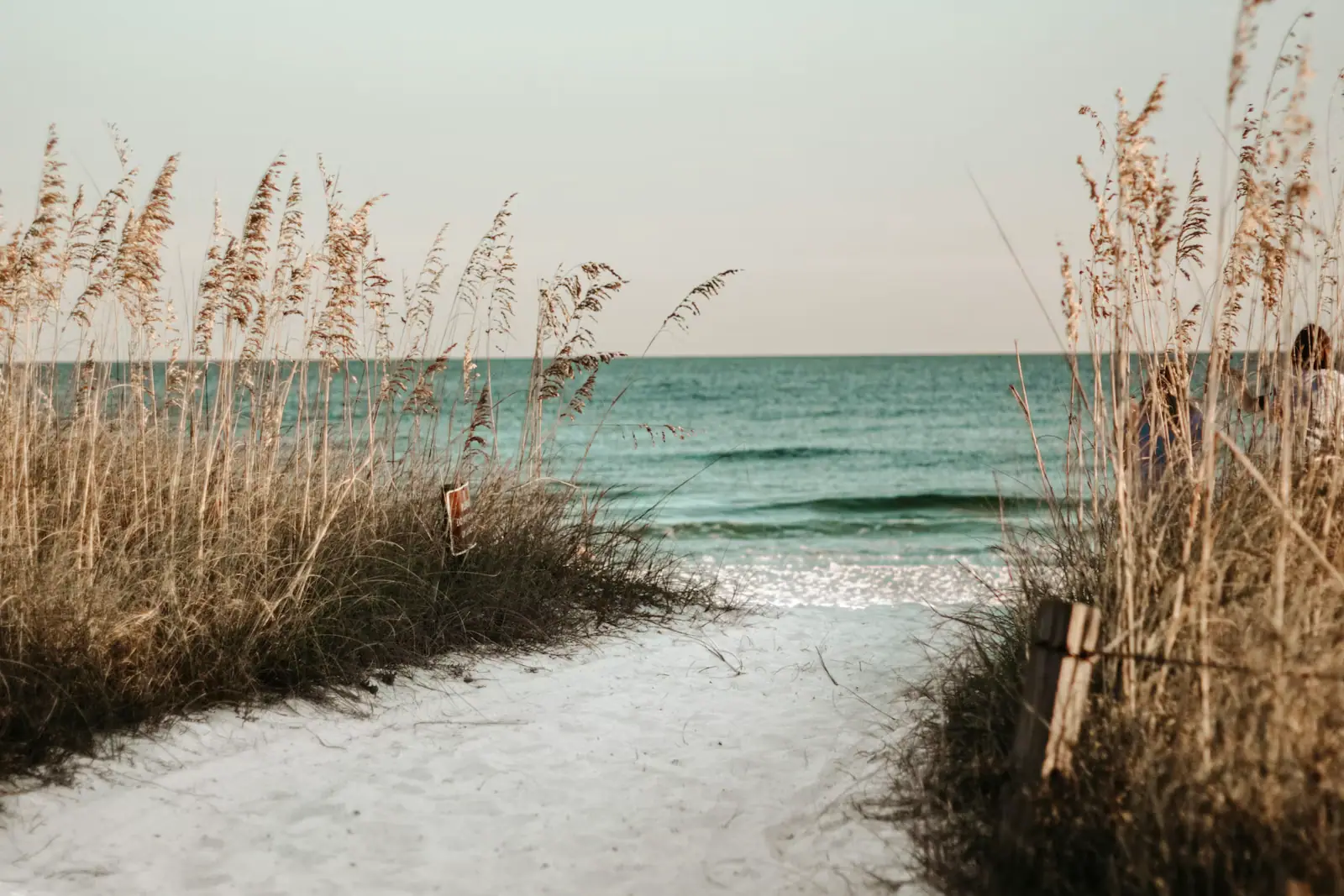
The water colour here is not a marketing decision. Sand on this part of the Panhandle is close to pure quartz, ground out of the southern Appalachians and carried down to the Gulf over thousands of years, most of it by the Apalachicola system. It is blindingly pale, it squeaks underfoot, and because it makes the sea floor so bright, light entering clear shallow water bounces back up through whatever plankton is in it and returns green rather than blue. That is the Emerald Coast, and on a calm June morning off Okaloosa Island the effect is strong enough that first-time visitors stop on the dune walkover to check it is real.
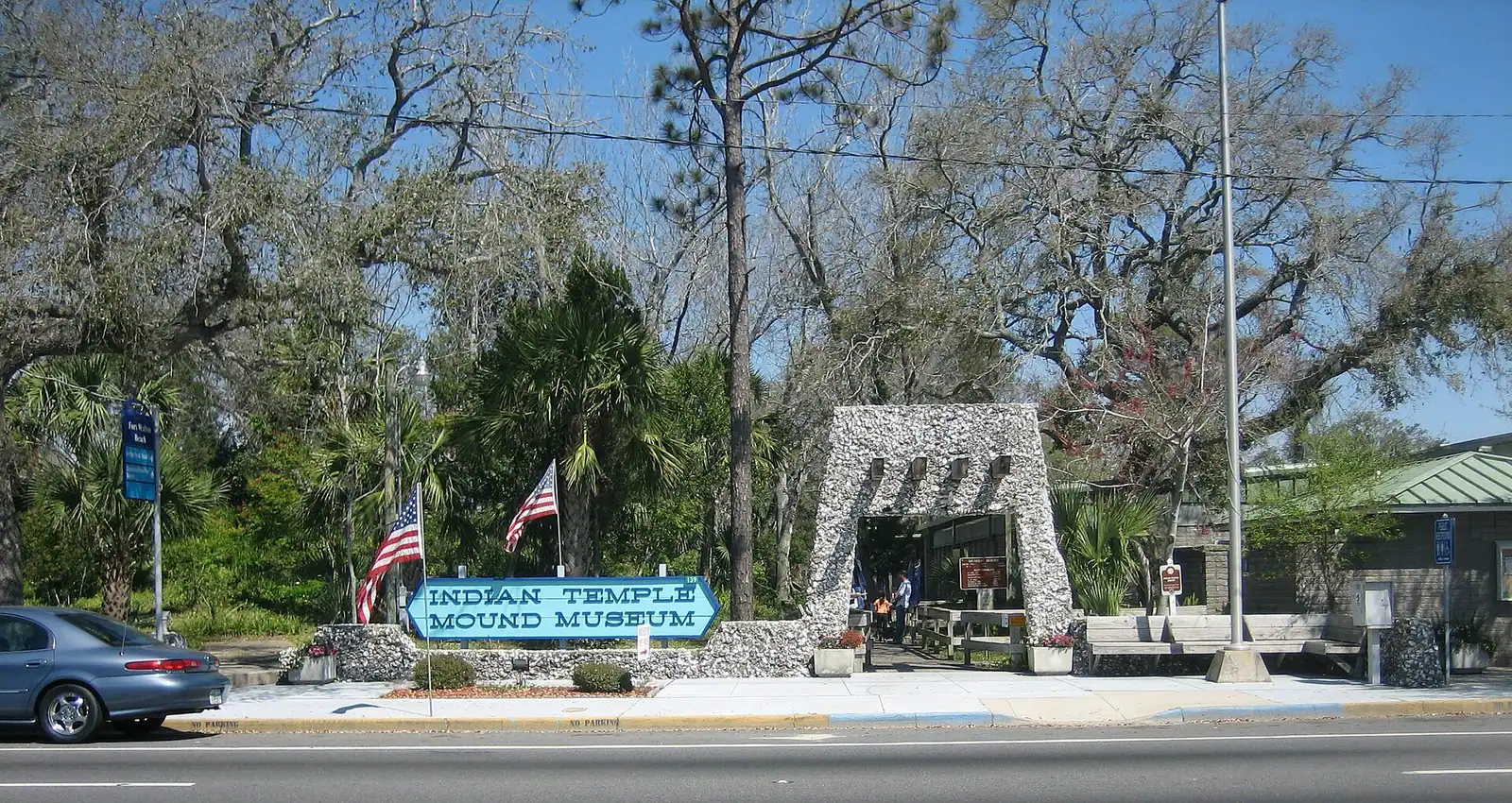
Understand the layout and the rest of a trip plans itself. Fort Walton Beach proper sits on the mainland, along the north shore of Santa Rosa Sound, which is where you will find the downtown, the temple mound, the boat ramps and most of the everyday town. Its beach is somewhere else: across the Brooks Bridge on Okaloosa Island, a segment of the long barrier island that carries the Gulf shoreline, the fishing pier, the Gulfarium and the condominium line. North of all that is Choctawhatchee Bay, a big shallow inland sea. East of that, where the bay drains to the Gulf through East Pass, is Destin. Five distinct places within about fifteen minutes of each other, and they suit different days.
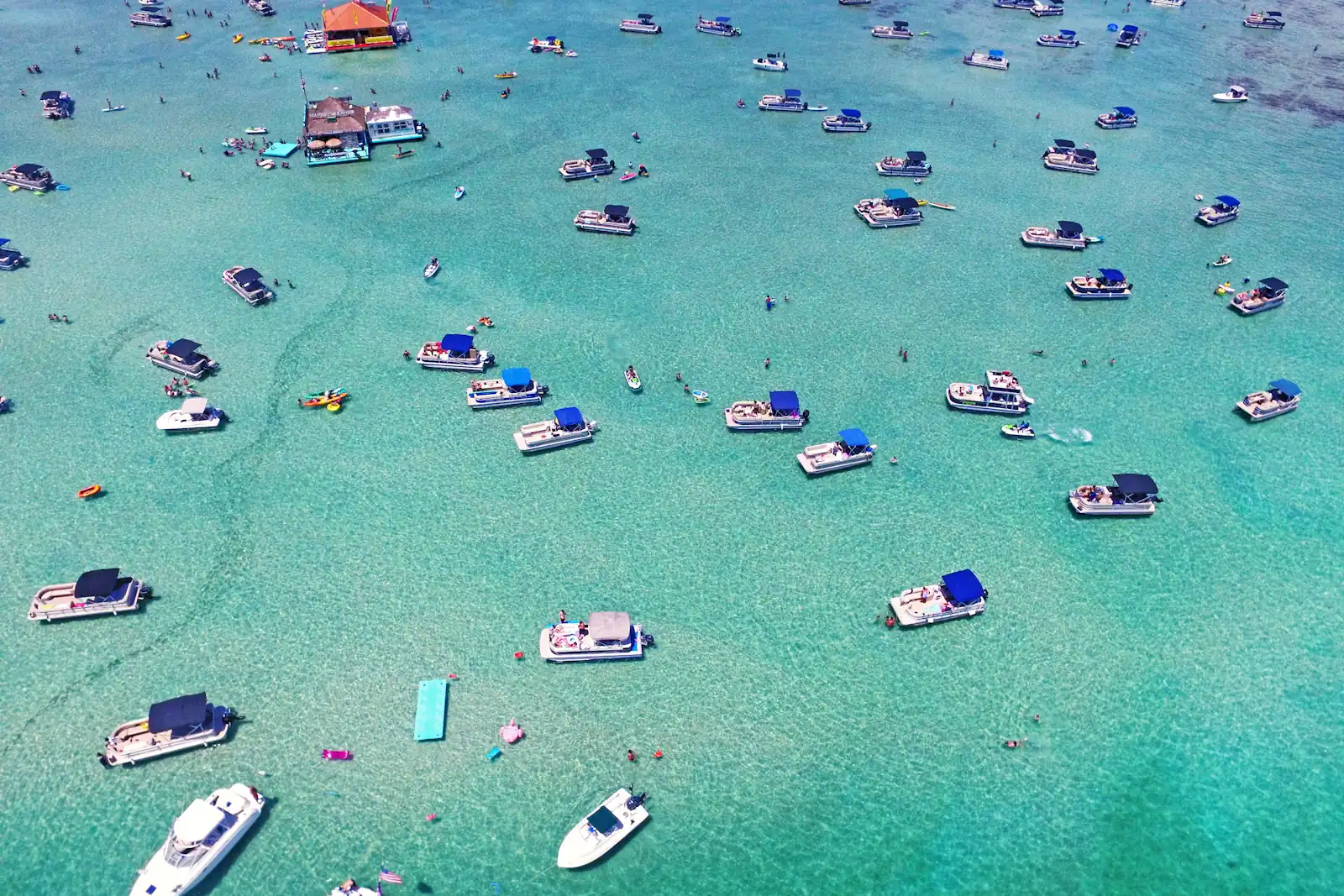
The thing most people are searching for sits in the bay rather than on any of them. Crab Island is not an island and has not been one since the 1970s. It began as a spoil bank of sand pumped out of East Pass when the Army Corps of Engineers dredged and jettied the channel in the 1960s, storms wore it down, and what remains is a submerged flat just north of the Destin bridge where the water runs roughly knee to chest deep. On a summer Saturday several hundred boats raft up on it. There is no road to it, no ferry terminal and no walking out; you get there in a rented pontoon, on a shuttle, or on somebody's charter, and that single decision shapes the cost of a Fort Walton Beach holiday more than the hotel does.
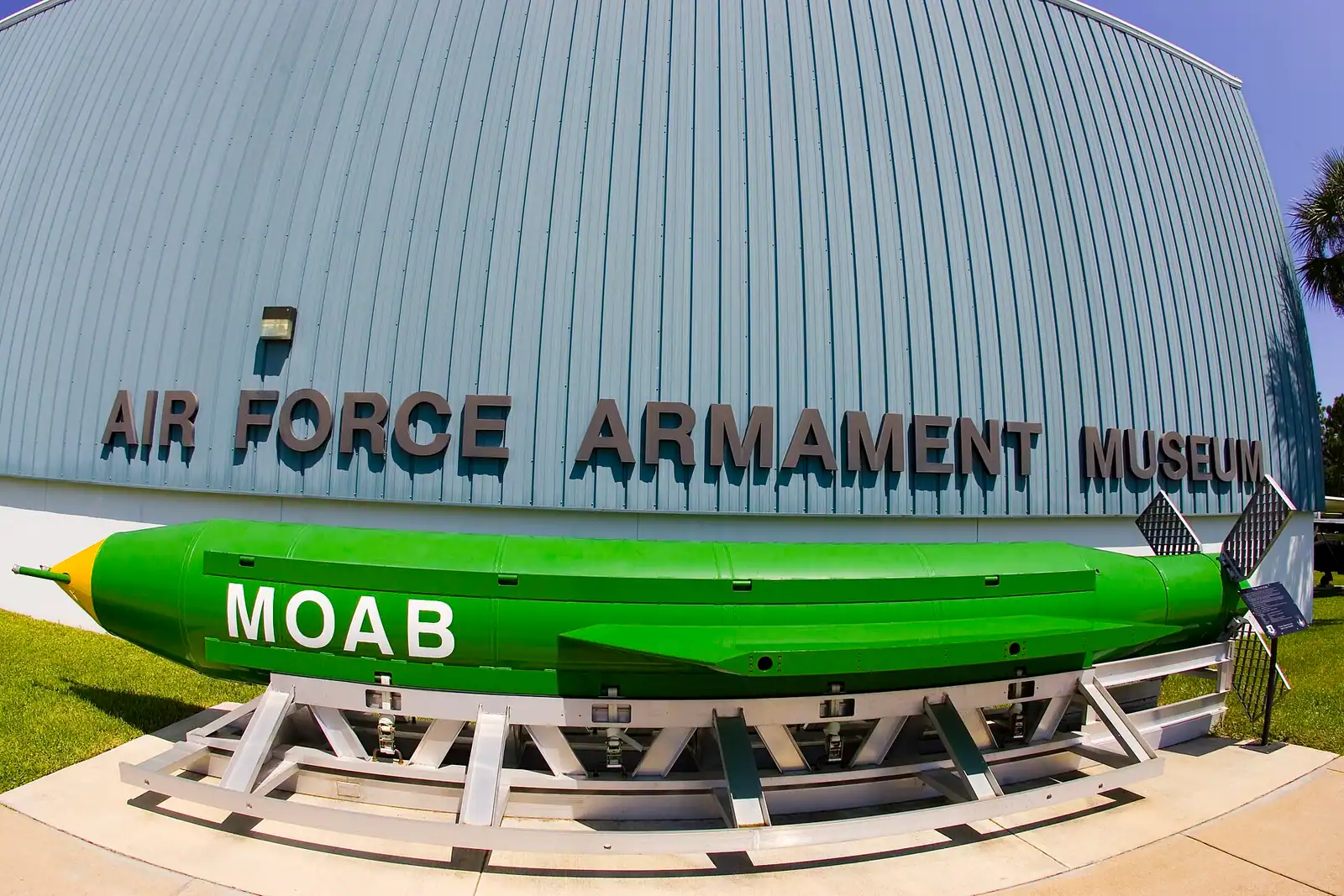
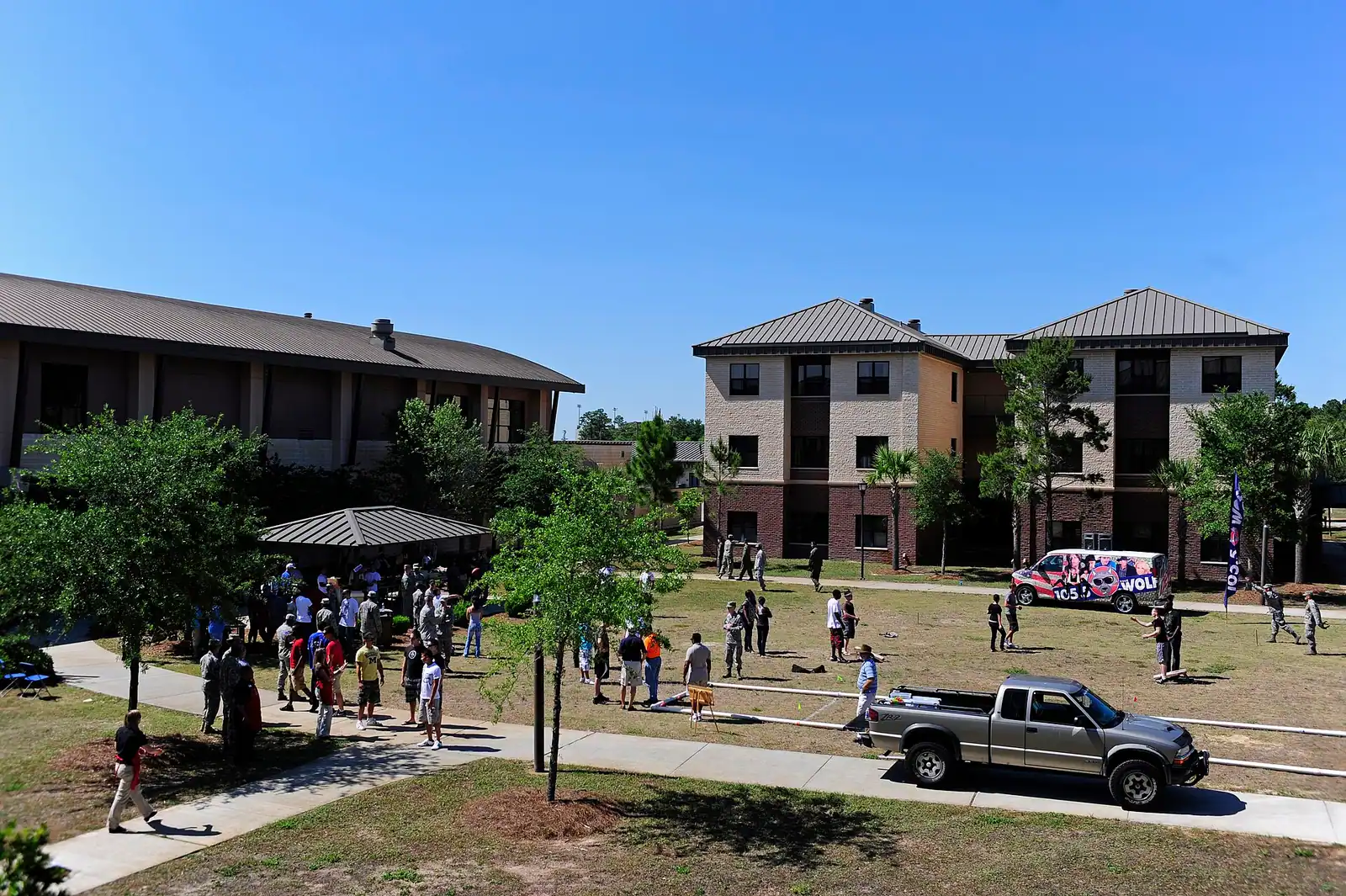
The other thing that makes this town unlike any other Gulf beach is the airspace above it. Eglin Air Force Base covers 463,128 acres behind the coast, which makes it one of the largest military installations anywhere by land area, and it controls something like 120,000 square miles of over-water test range out in the Gulf. Hurlburt Field a few miles west is the headquarters of Air Force Special Operations Command. The civil airport, VPS, sits on Eglin property and shares its runways. You will hear aircraft. You will also get the Air Force Armament Museum, which is free, outside the gates, and holds a 17-acre air park of restored jets.
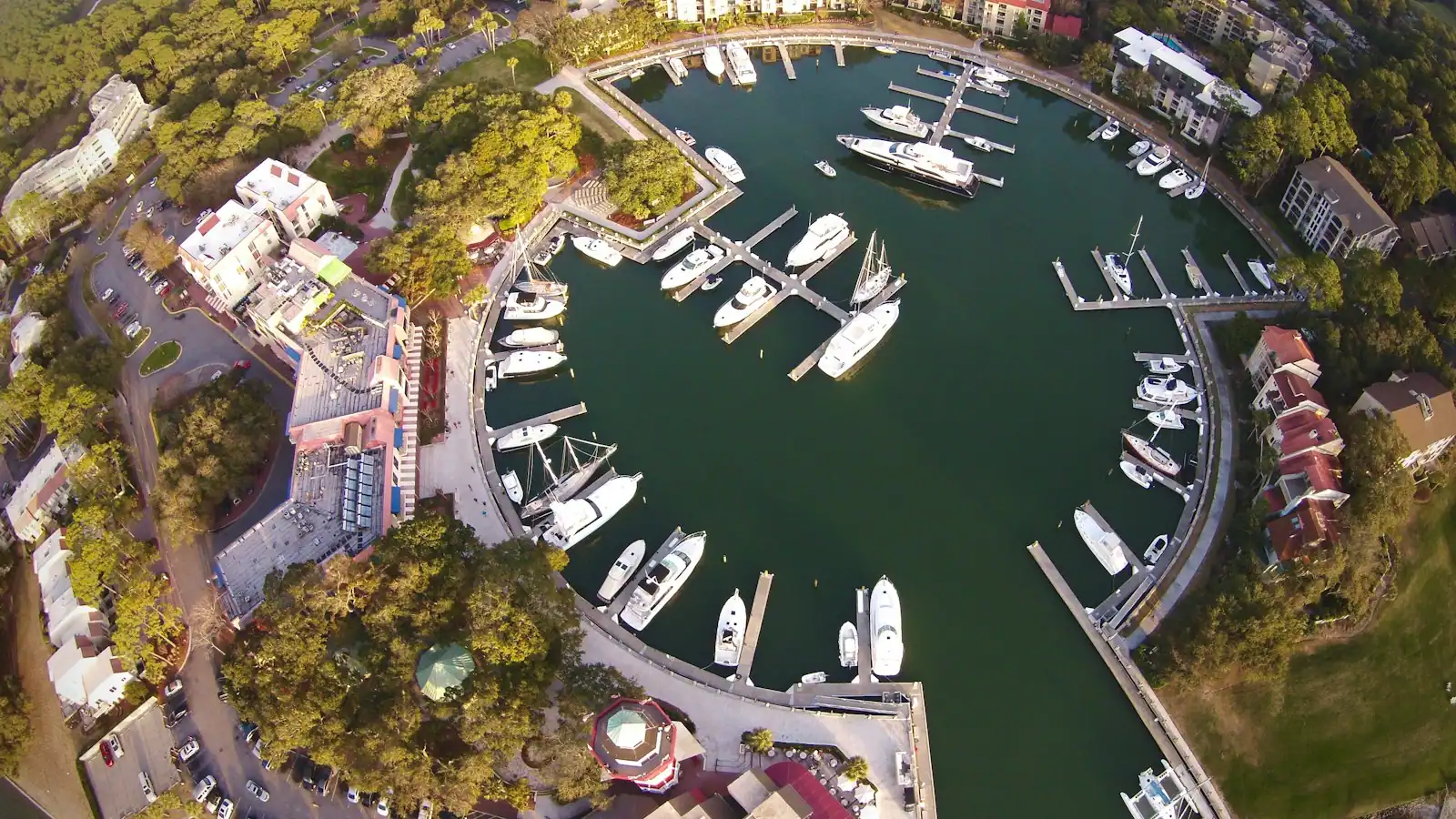
Then there is Destin, across the pass, and it is not useful to pretend otherwise. Destin has the harbour, the biggest for-hire fishing fleet in the country, the outlet shopping and most of the nightlife, and it charges accordingly. Fort Walton Beach has the cheaper beds, the free beach parking, the history and the quieter sand. Almost everyone staying here crosses at least once, and the honest version of this page tells you when the crossing is worth the traffic on US 98 and when it is not.
What follows is sorted by where you are and who you are with, because on this stretch of coast those two questions decide everything else.