Editor's Pick
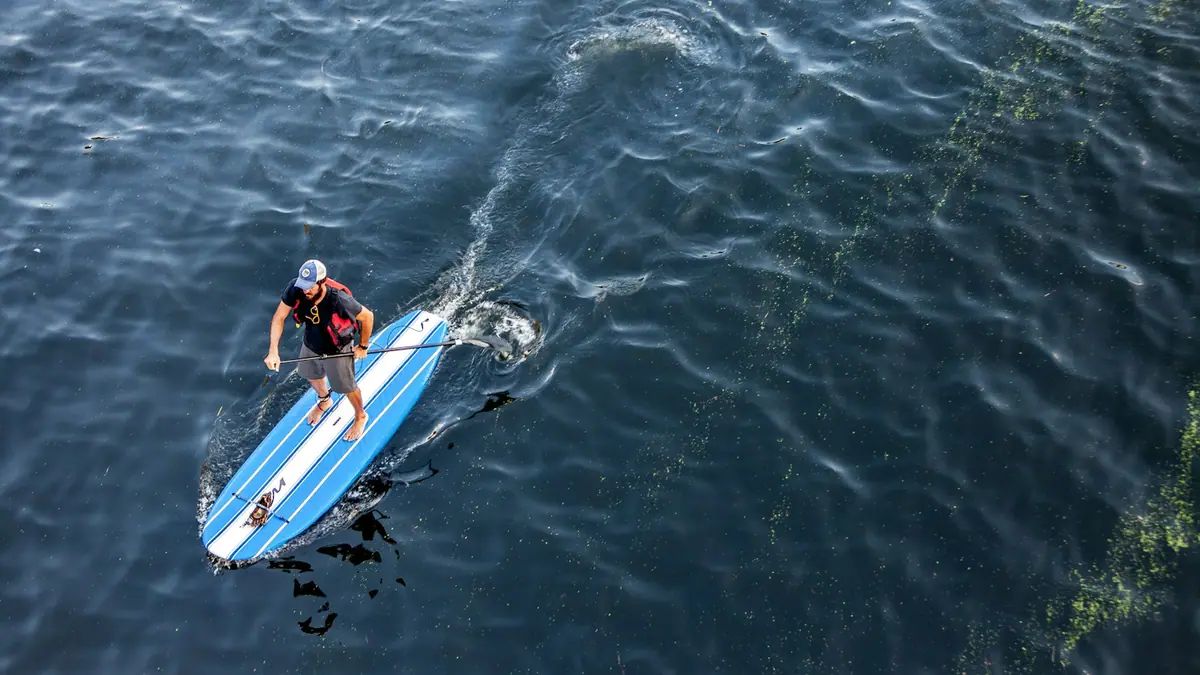
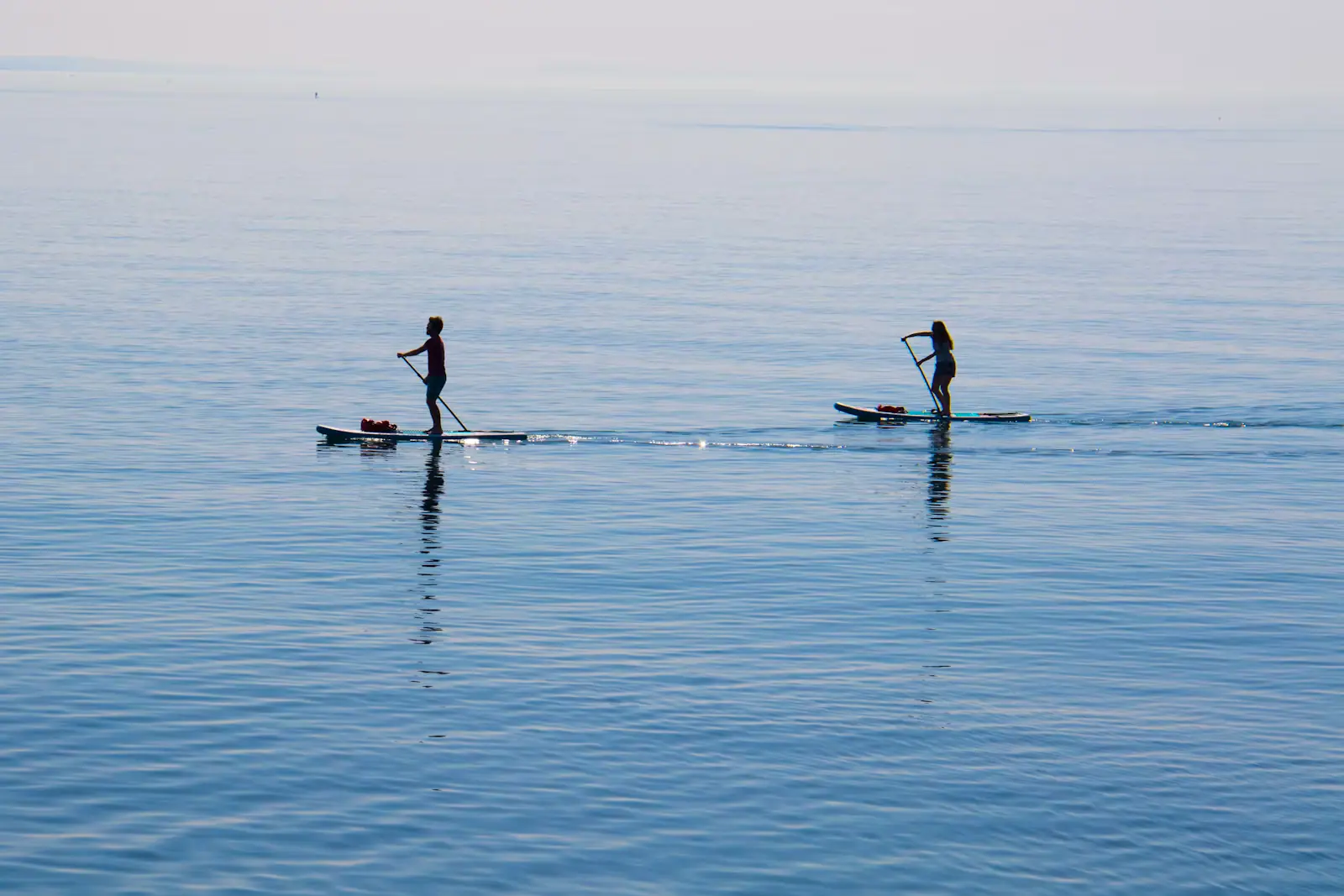
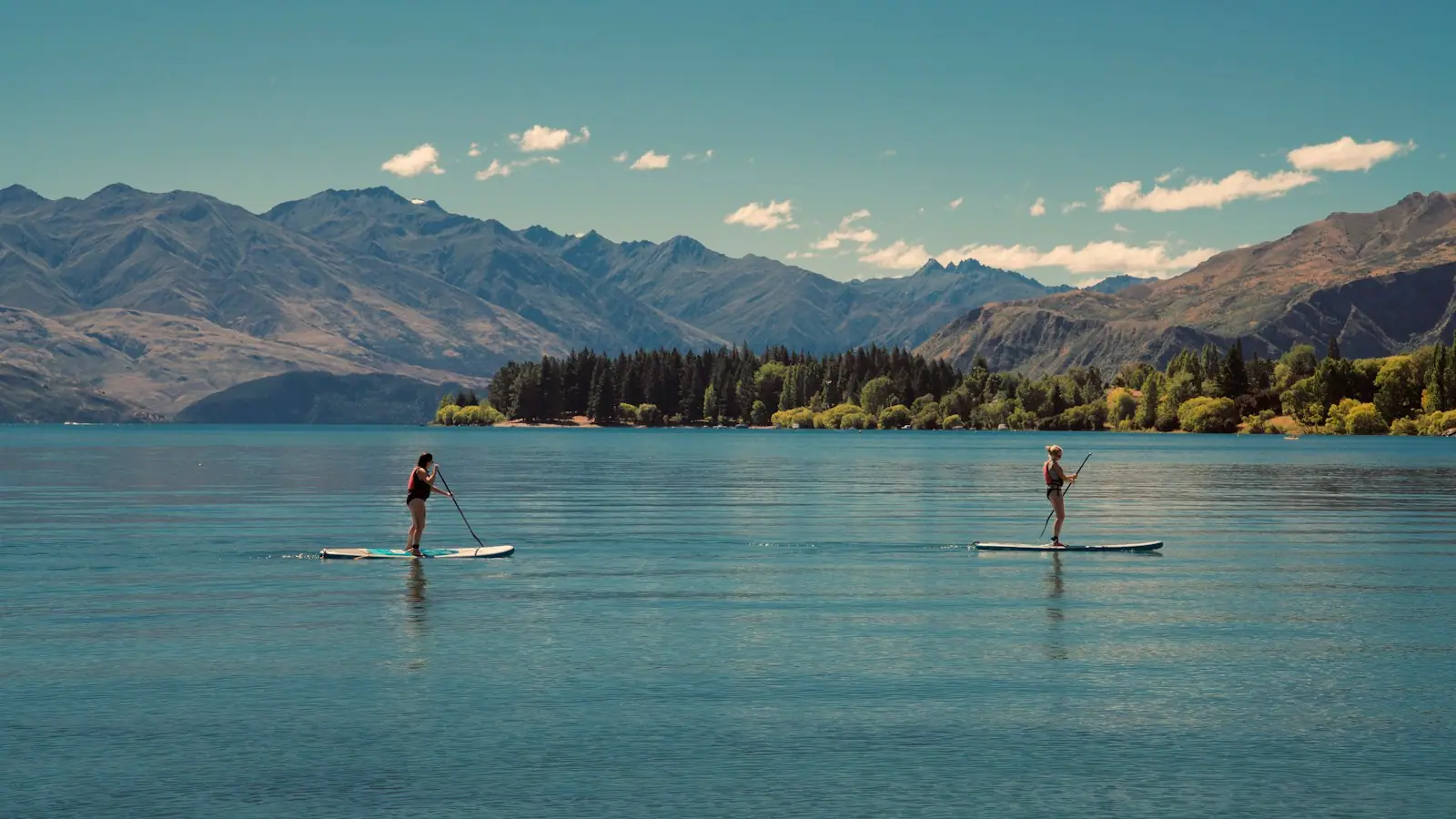
Best guided paddle on the sound
Why we chose it
A two-hour guided trip on flat sound water gets you to the grass beds and the sand flats where the rays are, with somebody who picked the route for that morning's wind. Better value than an equivalent rental because you spend the time looking rather than searching. Book the first slot of the day.

Low Supplier Cancellation Rate
Top Shelf Tikis Crab Island Adventure 3 hr (opens in a new tab)
Editor's PickFree cancellationInstant confirmation
304 reviews
Set sail on a lively 3-hour Premium Tiki Boat trip to Crab Island in Destin, Florida, where adventure and relaxation await. This…
3 hours
Prices checked
from $79