Skip to content
Search
Menu

We earn a commission if you book through this link. You pay the same price.

Plan your trip

When to Visit Fort Walton Beach

Last updated

When to visit Fort Walton Beach, Florida: Gulf water temperatures month by month, crowd and price patterns, hurricane season and the local event calendar.

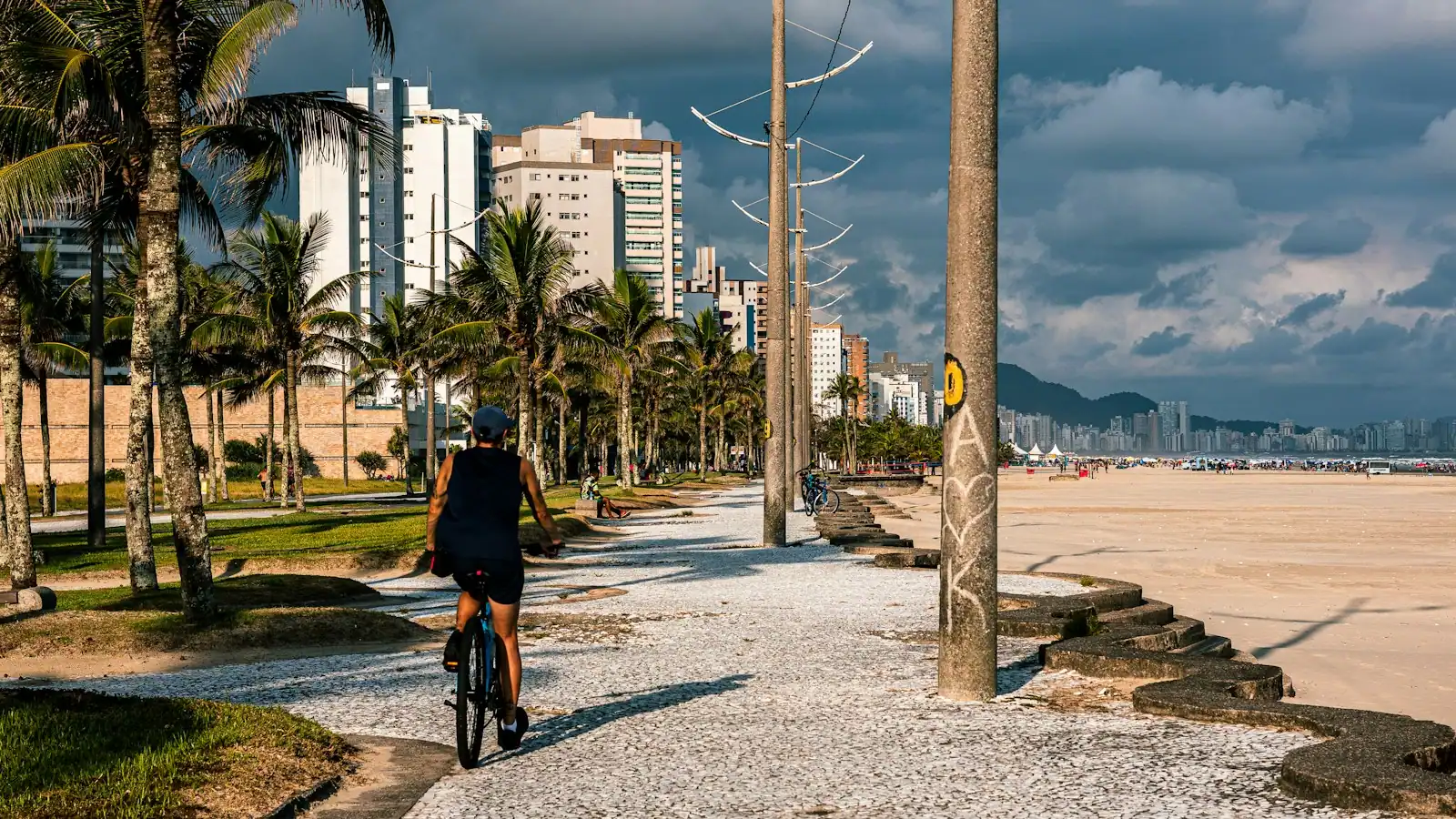
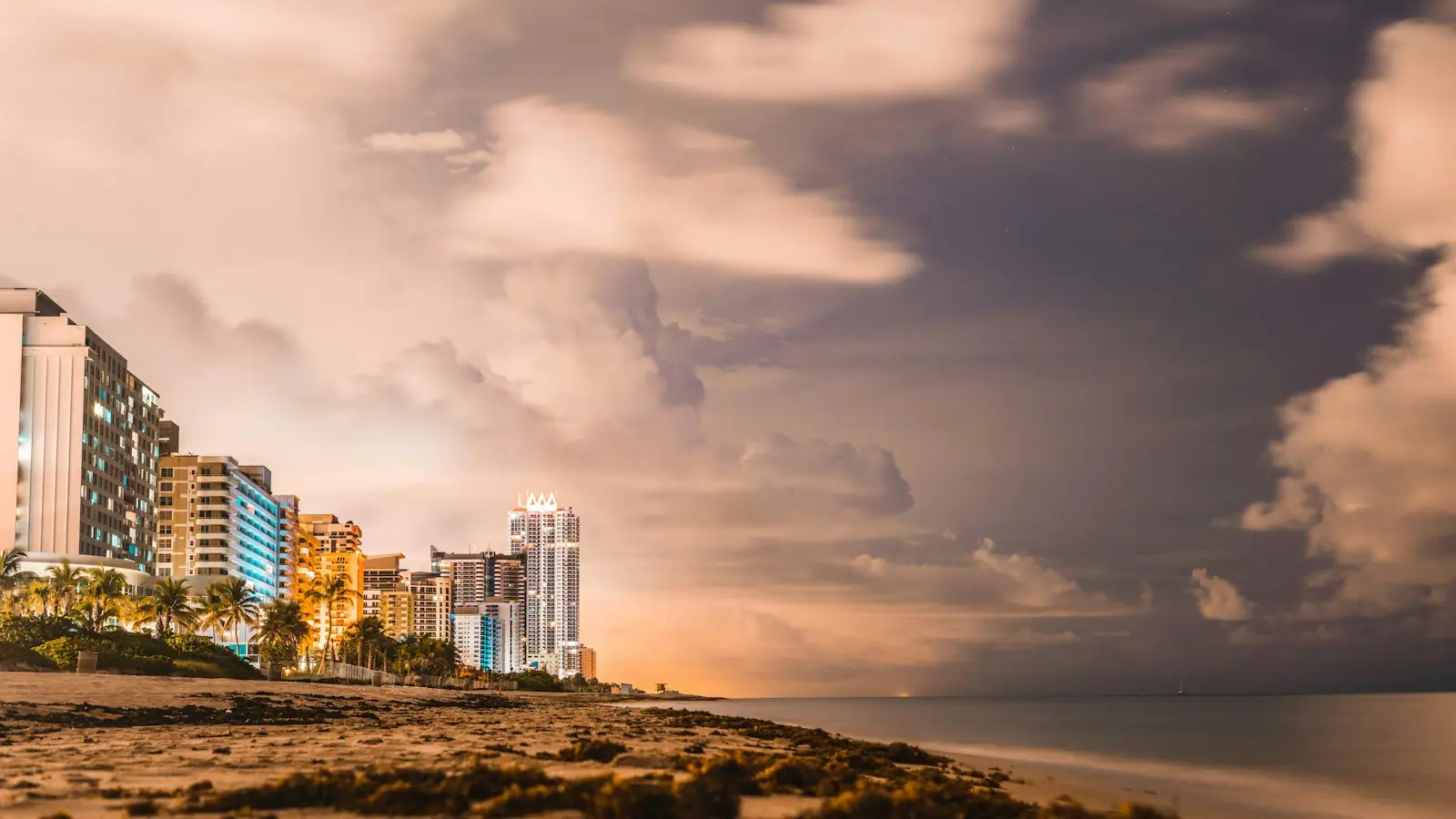
A storm cloud building over a Gulf beach at dusk with lit condominium towers along the shoreline

The number that decides your trip is not the air temperature. It is the Gulf water temperature, and it lags the air by about a month, which is why so many people arrive here in May expecting the sea they saw photographs of and find it bracing.

Here is the shape of it. The water off Okaloosa Island is at its coldest in February, somewhere around sixty degrees, which is walkable and not swimmable. It climbs through spring, reaches comfortable in May, and peaks in August at around eighty-six. Crucially, it stays warm well into October, long after the air has cooled off and the school holidays have ended. That single lag is the reason locals rate late September and October as the best weeks of the year and most visitors never find out.

The air is simpler. July is the hottest month with daily highs around the high eighties and humidity that makes them feel worse, January the coolest with highs around sixty. Between June and September, thunderstorms build over the interior in the afternoon and push toward the coast most days. They are loud, they are usually brief, and they are the main reason boat trips get cancelled here — far more often than any tropical system.

Then there is the calendar, which moves prices more than the weather does. March and early April bring the spring break wave: tens of thousands of high school and college visitors across Okaloosa County, heavy law enforcement presence on the beaches, and strict underage drinking enforcement that generates hundreds of citations most years. June to early August is family peak, when Crab Island carries hundreds of boats on a Saturday and US 98 seizes up in the afternoon. October belongs to fishing, because the Destin Fishing Rodeo has run for the whole month every year since 1948. And January to March is winter long-stay season, when the beaches empty out, the rates fall and nobody swims.

The honest one-line answer: come in late April, May, late September or October. The rest of the page explains what you get and give up in every other month, and what hurricane season actually means in practice on this part of the Panhandle.

Our picks

The ones we would book

  • Best Value

    The shoulder-season trip that costs the least

    Why we chose it

    A boat booking in late April or October buys the same water as July at a lower rate, with better availability and a much lower chance of a weather cancellation. Operators are less stretched and captains have time to talk. This is the single best value decision available on this coast.

    Destin Dolphin Cruise
    Short term availability

    Destin Dolphin Cruise (opens in a new tab)

    Best ValueFree cancellationInstant confirmation
    592 reviews

    Our product is unique because of how easy it is to walk around and see over the side of the boat. Our boat is stable open air with a…

    1–2 hours

    Prices checked

    from $27
  • Editor's Pick

    October, when the sea is still warm and nobody is in it

    Why we chose it

    The first half of October combines water in the mid seventies with air in the high seventies and school-term quiet. Snorkel trips to the East Pass jetties are at their clearest, the Fishing Rodeo has the docks buzzing across the water, and you can anchor at Crab Island without joining a queue.

    Top Shelf Tikis Crab Island Adventure 3 hr
    Low Supplier Cancellation Rate

    Top Shelf Tikis Crab Island Adventure 3 hr (opens in a new tab)

    Editor's PickFree cancellationInstant confirmation
    304 reviews

    Set sail on a lively 3-hour Premium Tiki Boat trip to Crab Island in Destin, Florida, where adventure and relaxation await. This…

    3 hours

    Prices checked

    from $79
  • Best for Families

    Late May, before the heat and the crowd

    Why we chose it

    Water around the high seventies, air in the low eighties, afternoon storms still infrequent, and the July crush three weeks away. For families able to travel before the school year ends, this is the week to take. Morning departures make the most of the flat water.

    Dolphin Cruise in Destin FL
    Low Last Minute Supplier Cancellation Rate

    Dolphin Cruise in Destin FL (opens in a new tab)

    Best for FamiliesFree cancellationInstant confirmation
    791 reviews

    Experience the thrill of dolphin-watching with Hydrojet on an excursion that navigates Crab Island, showcases a scenic cruise of Destin…

    1 hour

    Prices checked

    from $37
  • Top Rated

    Peak-season booking, done properly

    Why we chose it

    If July is your only option, buy the earliest departure available and book it for the first days of your stay. Morning water is flatter, Crab Island is quieter before eleven, and leaving a spare afternoon later in the week gives a cancelled trip somewhere to move to.

    SunVenture Cruises departing from the Destin Harbor
    Eco Tours

    Destin Harbor Sunset Eco Dolphin Cruise (opens in a new tab)

    Top RatedFree cancellationLikely to sell out
    335 reviews

    Your Sunset Eco-Dolphin Cruise begins with a leisure cruise into the majestic sunset from our Destin Harbor location. There is simply…

    1–2 hours

    Prices checked

    from $35
  • Small Group

    Winter on the water, with a jacket

    Why we chose it

    Inshore fishing and small sightseeing trips run through the cool months and the bay is flat, empty and full of birds. You will not be swimming. You will have Choctawhatchee Bay largely to yourself, at rates that do not exist between June and August.

Why the water lags, and what that means for a swimming holiday

When to go

Water holds heat far longer than air does, so the Gulf here behaves like a very large storage heater that is always a month behind the calendar.

Spring is the trap. By mid-April the air can be in the high seventies and the beach looks exactly like the brochure, but the sea is still somewhere around seventy, which most people find cold after ten minutes. Children will go in anyway. Adults generally will not.

Late summer is the payoff. August and September deliver the warmest sea of the year, often in the mid eighties, which is bath-like rather than refreshing. By then the school holidays are ending, so the first two weeks of September combine the year's warmest water with a fraction of July's crowd.

October is the window locals guard. Water in the mid seventies, air in the high seventies, the Fishing Rodeo running and the beaches quiet. Snorkelling at the East Pass jetties is at its best now, because summer's boat traffic and wind have dropped and visibility improves.

Winter is for walking, not swimming. From December to March the Gulf sits around sixty to sixty-five. Wetsuits exist, and almost nobody bothers. Santa Rosa Sound and the shallow bay edges warm up a few degrees faster than the open Gulf in spring, which is worth knowing if you are here in April with children.

One practical note: a few days of strong offshore wind can cause upwelling that drops nearshore water temperature sharply and briefly, even in summer. If the sea is unexpectedly cold in July, that is usually why, and it passes.
Summer here, and how to survive the middle of the day

June through August is when most people come and it is the hardest version of this destination to enjoy without a plan.

The heat is humid rather than dry. Highs around ninety with high humidity mean sweat does not evaporate efficiently, and the reflected glare off white quartz sand adds to it. People who handle Arizona heat comfortably find this different and harder.

Afternoon storms are routine, not exceptional. Convection builds inland over the Eglin reservation and the forests behind it through the day and drifts toward the coast in the late afternoon. Lightning is the actual hazard: get off the pier, off the beach and off the water at the first thunder rather than waiting for rain.

Crab Island peaks. On a July Saturday the sandbar carries hundreds of boats. It is a real spectacle and it is not a peaceful afternoon. Weekdays are dramatically better, and an early start beats everything.

US 98 congests. The single coastal road narrows over the Marler Bridge at East Pass, and the crossing between Fort Walton Beach and Destin that takes fifteen minutes at breakfast can take close to an hour in the afternoon. Plan movements around that, not around distance.

The workable summer day. Out at eight, on the beach or on a boat until noon. Indoors from one until four — the free Air Force Armament Museum, the Heritage Park museums, the science center. Back out at five for the best light and the calmest water of the day. Dinner late.

Sea turtle nesting runs through the warm months on this coast, so respect roped-off nests, fill in holes before you leave, and keep beachfront lights down after dark in season.

Winter: the season most visitors never see

From January into March the Emerald Coast becomes a different place, and for some travellers a much better one.

Daytime highs commonly sit in the low sixties to around seventy, with the odd cold snap and the odd seventy-five-degree afternoon. Nights get genuinely cold by Florida standards. The Gulf is around sixty and nobody is in it. What you get instead is twelve miles of white sand with almost nobody on it, light that photographs beautifully in the late afternoon, and prices at their lowest of the year.

This is winter long-stay season. A substantial population of northern and Canadian visitors takes monthly rentals on this coast between January and March, which supports restaurants and clubs through months that would otherwise be dead, and gives the towns a social calendar that summer visitors never encounter. Golf gets busy. So do the walking groups and the fishing piers.

What closes: most watersports concessions, some boat operators, and the Crab Island vendor barges, which cannot anchor until the first of March. Some restaurants cut days. The Gulfarium and the museums stay open on winter schedules.

What stays excellent: the beach, the pier, inshore fishing in the bay, the Armament Museum, the trails at Rocky Bayou, and driving anywhere at all, because US 98 behaves like a normal road for four months of the year.

If the reason you are considering this coast is swimming, do not come in winter. If it is walking, photography, fishing, golf or simply paying half price for the same view, February is the value of the year.

The dates that move prices

Four periods on the local calendar change what you pay and what the town feels like.

Spring break, roughly the first three weeks of March into mid April. Okaloosa County is a primary destination for it, and tens of thousands arrive across Destin, Fort Walton Beach and Okaloosa Island. Extra patrols work the beaches, and underage drinking enforcement is heavy: several hundred citations across the county in a typical season. Alcohol is permitted on public beaches here except in glass containers, which is not the same thing as a free-for-all. Families who want quiet should avoid these weeks entirely.

Billy Bowlegs Pirate Festival, the first full weekend in June. A costumed pirate krewe lands at Fort Walton Landing and stages a mock takeover of the city, a tradition running since 1953. Downtown is busy, parking is difficult and the atmosphere is excellent. There is no historical evidence the pirate it honours ever came near here, which nobody minds.

The Destin Fishing Rodeo, all of October. Running since 1948, it was invented specifically to extend the season past summer, and it works: the whole month is a tournament, the docks across the pass are at their liveliest, and daily weigh-ins are free to watch. Charter availability tightens; book well ahead.

School holidays, all of them. Independence Day week, Thanksgiving and the weeks either side of Christmas produce spikes in an otherwise quiet calendar. Rates on Okaloosa Island in early July can be double what they are in early May for a colder sea and a busier beach.

Book it

Everything else we track

Some links below go to Viator, our booking partner. We earn a commission on bookings made through them — at no extra cost to you, and with no influence on what we recommend.

An open departure, or a small group

The same experience sells two ways here. An open departure fills every seat and is priced accordingly; a small-group departure caps the numbers, which costs more per person and buys you room, quiet and a guide who can answer you. Both are priced per person, so compare the cap, not just the price.

  • Book a seat

    A shared departure, priced per person. The cheapest way to do this for one or two people.

  • Book a small group

    Numbers are capped rather than filled: you still share, with far fewer people, and still pay per person.

    Destin Parasailing Experience
    Low Last Minute Supplier Cancellation Rate

    Destin Parasailing Experience (opens in a new tab)

    Free cancellationLikely to sell out
    260 reviews

    Parasailing looks scary from a distance, but when you’re in the air — 400 feet in the air — it magnifies the beauty of the landscape below…

    1–2 hours

    Prices checked

    from $85
  • Tiki heading to Crab Island Destin
    Ports of Call Tours

    Tailfins Tiki CRAB ISLAND (opens in a new tab)

    Free cancellationInstant confirmation
    468 reviews

    You can reserve Tailfins Tikis Non-private on Viator or its affiliates for up to 7 passengers, but the vessel holds is ticketed approx…

    3 hours

    Prices checked

    from $60
  • SunVenture I and SunVenture II at Crab Island in Destin, FL
    Seasonal

    4 Hour Destin Harbor Crab Island Excursion (opens in a new tab)

    Free cancellationLikely to sell out
    472 reviews

    Crab Island is a summer tradition for locals and visitors alike as the ultimate way to celebrate on the water but you can only get there…

    4 hours

    Prices checked

    from $79
  • Dolphin & Sunset Cruises
    Short term availability

    Dolphin & Sunset Cruises (opens in a new tab)

    Free cancellationLikely to sell out
    664 reviews

    The Dolphin Cruises are 1 hour narrated cruises through the Destin Harbor, through the East Pass into the Gulf of Mexico and into the Bay…

    1–2 hours

    Prices checked

    from $39

The short answer, by who you are

How they compare

Different trips want different months, and on this coast the gap between them is large.

You areGoWhy
A family on school holidaysEarly June, or the last week of AugustWarm water, before or after the worst of the July crush
A family with flexibilityLate April to mid May, or late SeptemberSame water, half the crowd, lower rates
A coupleJanuary to March, or OctoberEmpty beaches and cheap rooms, or warm water with no crowd
An anglerOctober, for the Destin Fishing RodeoThe whole month is a tournament, and the fleet is at full tilt
A boater heading for Crab IslandMay, or late SeptemberWarm, and outside the peak raft-up weekends
Someone on a budgetNovember, December, early FebruaryThe cheapest weeks of the year on this coast
Avoiding spring breakAnything except March and early AprilOkaloosa County is a primary destination for it

If you can only travel in July, the trip still works — you simply have to run it early and late, and treat the middle of the day as indoor time.

If you can travel any week you like, the answer is the first fortnight of October: water around the high seventies, air in the high seventies, minimal crowds and the lowest chance of an afternoon storm since May.

Month by month on the Emerald Coast

How they compare

Rounded averages for this stretch of the Panhandle. Any given week varies, and water temperature in particular swings with wind direction.

MonthAir highGulf waterCrowdsNotes
Januaryaround 61°Faround 62°FVery lowWinter long-stay season starts. Walking weather
Februaryaround 63°Faround 61°F, the year's coldestVery lowCheapest rates. Clear, windy, empty beaches
Marcharound 69°Faround 65°FHighSpring break. Crab Island vendors return on the 1st
Aprilaround 76°Faround 71°FModerate to highBreak continues into mid-month, then calms
Mayaround 83°Faround 78°FModerateArguably the best month. Warm water, few storms
Junearound 88°Faround 84°FPeakBilly Bowlegs on the first full weekend. Storms begin
Julyaround 90°Faround 86°FPeakHottest, busiest, most expensive
Augustaround 90°Faround 86°F, the year's warmestHighHot and humid, thinning after school returns
Septemberaround 86°Faround 84°FLow to moderateWarm water, quiet beaches, peak storm risk
Octoberaround 78°Faround 76°FLowFishing Rodeo all month. The local favourite
Novemberaround 69°Faround 68°FLowVendors leave Crab Island on the 1st. Season ends
Decemberaround 63°Faround 63°FLowQuiet, cool, cheap

The pattern worth internalising: air and water do not move together. October gives a cool, pleasant day and a sea still warmer than it was in June.

Hurricane season, without the drama

Before you book

Officially the Atlantic season opens on 1 June and closes on 30 November, with the statistical peak for the northern Gulf arriving in late August and September. That is a fact worth planning around and not worth cancelling over.

What it actually looks like day to day. Almost every disrupted afternoon on this coast is an ordinary thunderstorm, not a tropical system. Named storms affecting any specific week are uncommon; the Panhandle's serious ones are memorable precisely because they are rare. Hurricane Ivan struck well to the west in 2004 and Michael well to the east in 2018, and both reshaped the places they hit.

What to do about it. Travel insurance covering trip interruption is a sensible purchase for a September booking, particularly if you have paid a deposit on a charter. Most operators here reschedule or refund when they cancel for weather.

Watch the forecast from about five days out, not five weeks. Anything beyond that is noise. If a system is genuinely tracking toward this coast, evacuation notices come from Okaloosa County and they are clear.

Understand what closes first. Piers, boardwalks and anything over water shut before the beaches do, and reopen last. Bridges close at sustained wind thresholds, which matters because Okaloosa Island has one road on and off it.

Off-season caution of a different kind. After a storm passes anywhere in the Gulf, surf and rip current risk on this coast can stay elevated for days under a blue sky. Double red flags in perfect weather are not an overreaction.

On the ground

Where to go

Every place below has its own page — hours, parking, what it costs and what to expect when you get there.

  • Aerial view of small boats anchored together on shallow clear water beside a pale sandbar
    Water feature

    Crab Island

    Free

    A submerged sandbar north of the Destin bridge where the bay runs waist-deep and several hundred boats raft up. Reachable only by water.

    3–8 hoursThe sandbar itself is free public water. The cost is the boat: shuttle seats at the low end, pontoon rentals in the mid hundreds for a half or full day, private charters higher.

    Photograph: Nicolas Henderson

  • An aerial view of a long low bridge crossing shallow green water with a pale sandbar visible beneath the surface
    Water feature

    Choctawhatchee Bay

    Free

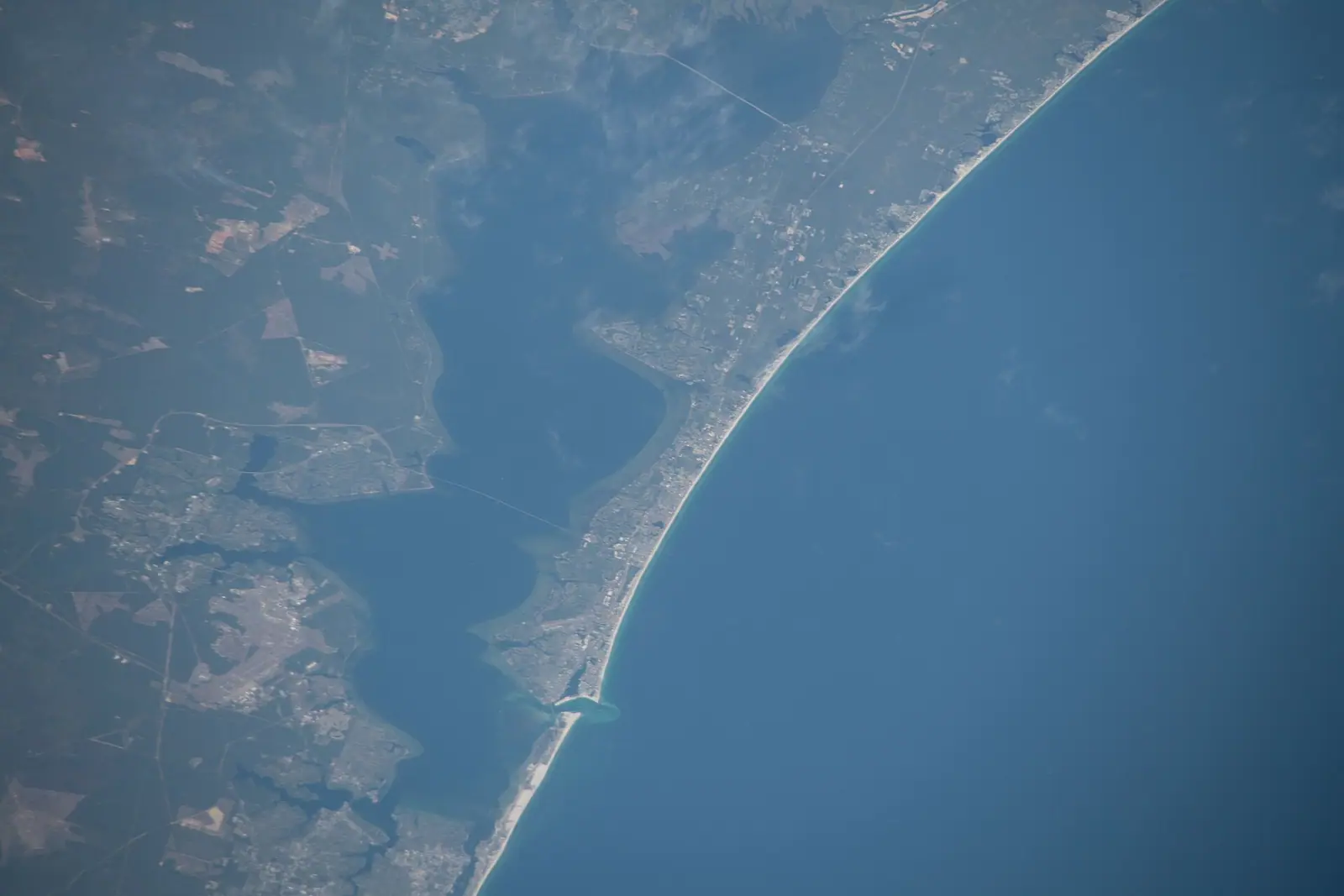
    Twenty-seven miles of near-tideless brackish water with one narrow way out to the Gulf, which is why everything on this coast floats on it.

    2–8 hoursFree to be on. The Mid-Bay Bridge is tolled, and boat rental, fuel and launch ramps are separate costs.

    Photograph: Earth Science and Remote Sensing Unit, NASA Johnson Space Center

  • Late light and low cloud over moving water near a narrow channel
    Water feature

    East Pass

    Free

    The only channel between Choctawhatchee Bay and the Gulf, started by four men with shovels in a 1929 flood and never closed since.

    0.5–2 hoursFree. Viewing from the Marler Bridge walkway, Norriego Point and the east jetty costs nothing.

    Photograph: Jacob Weston

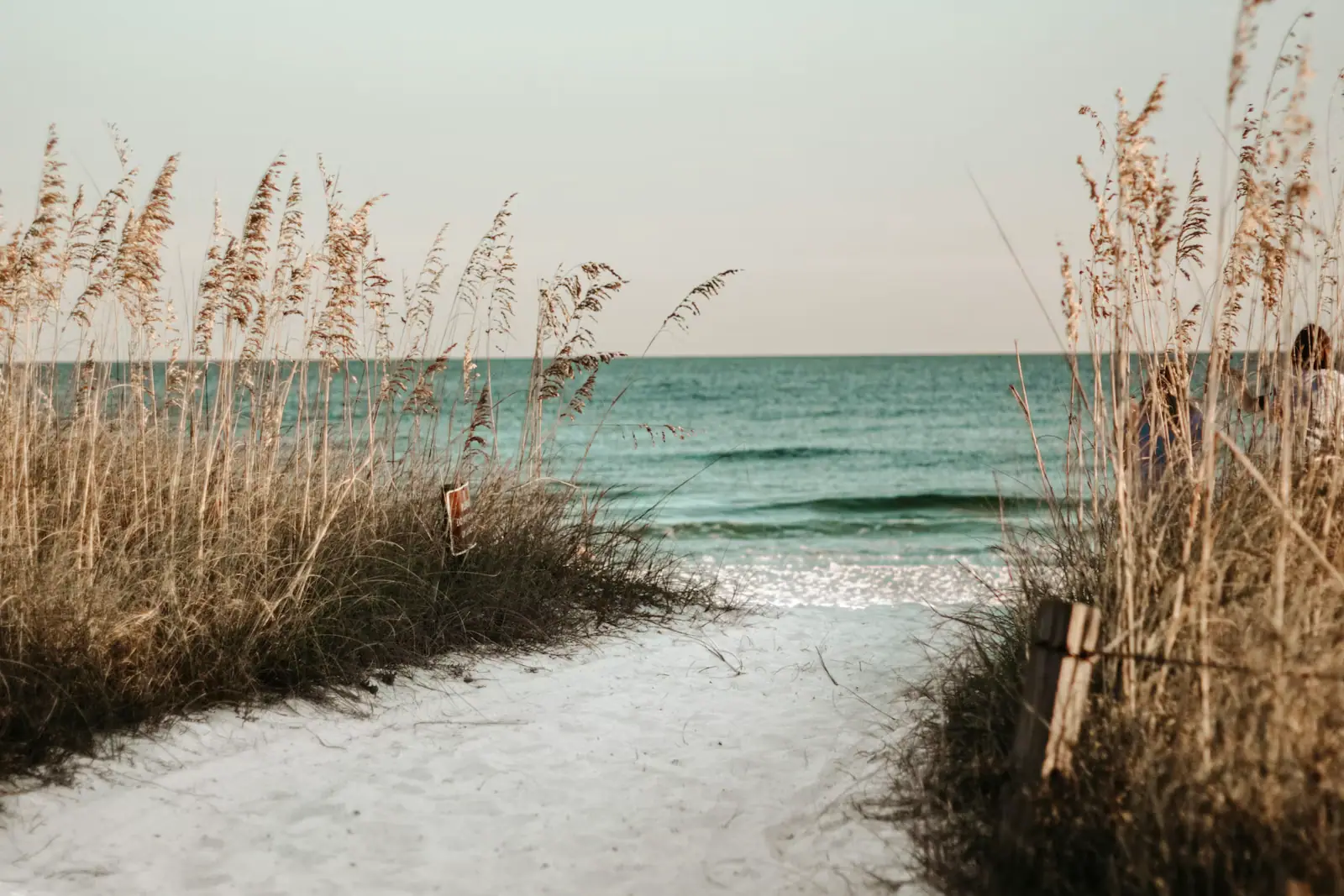
  • Sea oats growing on a low dune above a wide pale beach under a broad sky
    Neighbourhood

    Okaloosa Island

    Free

    The county-owned beach strip across the sound from town: three miles of Gulf front, free parking, and no city government at all.

    3–10 hoursFree, with free parking at the county beach accesses and the Boardwalk.

    Photograph: SrA Carlin Leslie

  • Low waves breaking along a wide, flat stretch of beach in late evening light
    Beach

    John C. Beasley Park

    Free

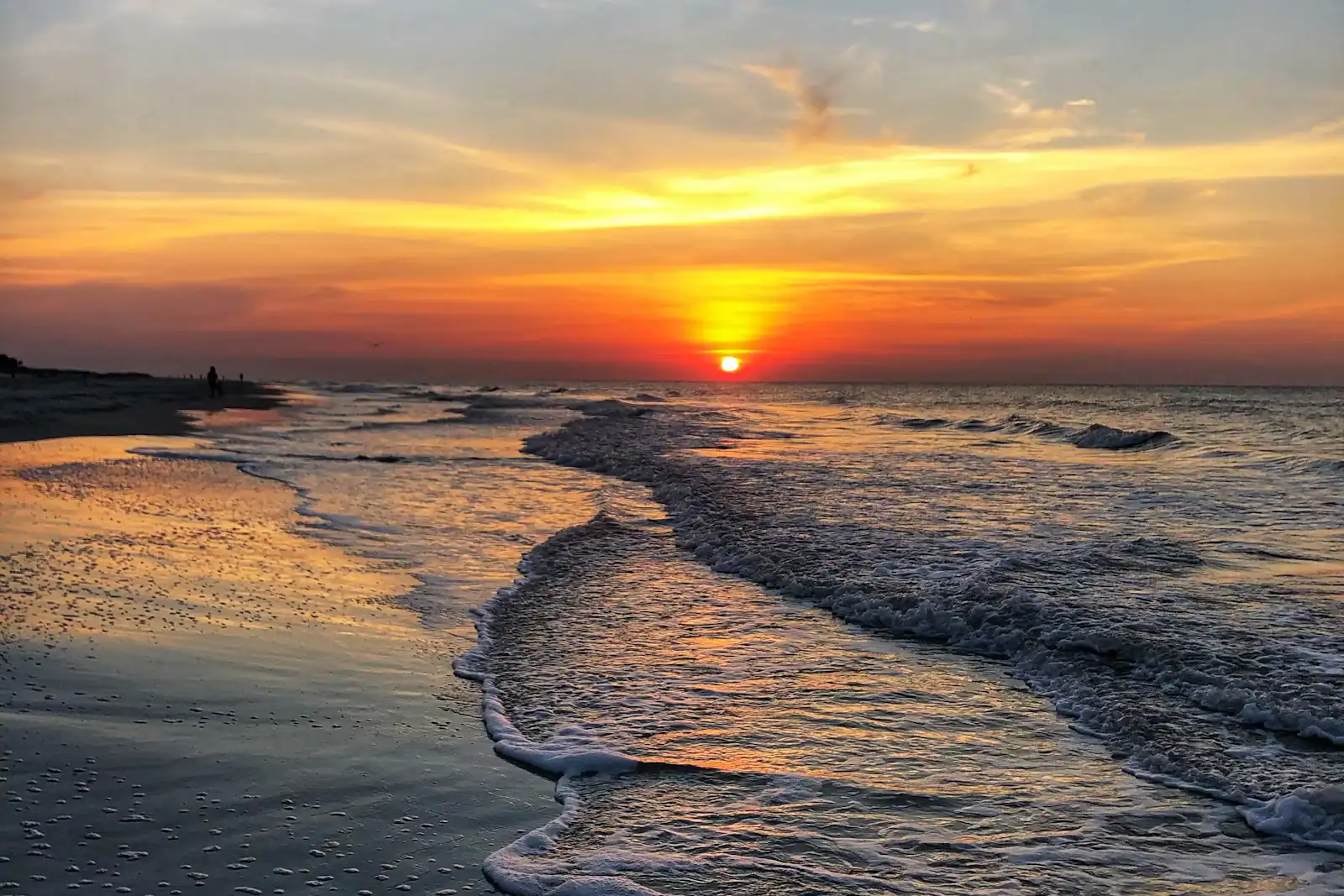
    The county's fullest free beach access — pavilions, showers, seasonal lifeguards — and the beach Black residents were once confined to.

    2–6 hoursFree, including around 200 free parking spaces.

    Photograph: Unsplash

  • People gathered on a wooden dock watching the sun go down over calm water
    Park

    Fort Walton Beach Landing

    Free

    Seven hundred feet of Santa Rosa Sound waterfront, rebuilt and reopened in April 2026, with free Friday concerts through the summer.

    1–3 hoursFree, including the concerts, the boardwalk, the fishing pier and the paddle launch. Parking is free.

    Photograph: Infrogmation of New Orleans

  • Rows of boats moored in a marina basin on flat water at first light
    Marina

    Destin Harbor

    Free

    Half an hour east: the largest charter fishing fleet in the country, most Crab Island departures, and the noise to match.

    1.5–8 hoursFree to walk the harbour and the boardwalk. Charters, rentals and shuttles are priced by operator, and Destin's offshore trips sit well above the regional average.

    Photograph: Wikideas1

  • Seabirds crossing low over breaking surf as the sun comes up over the water
    Landmark

    Okaloosa Island Pier

    A quarter mile of concrete over the Gulf, rebuilt after Hurricane Opal, with a separate cheaper fee if you only want to walk it.

    1–4 hoursTwo tickets: a daily fishing fee recently around eight dollars for an adult with a lower senior rate, and a cheaper sightseeing fee for walking out without a rod.

    Photograph: Earth Science and Remote Sensing Unit, Lyndon B. Johnson Space Center

Straight answers

Questions people actually ask

What is the best month to visit Fort Walton Beach?

October, if you are free to choose. Gulf water is still in the mid seventies because it lags the air by about a month, daytime air sits in the high seventies, the summer crowd has gone home with the school calendar and afternoon thunderstorms have largely stopped. May is the close second, with warm water and few storms. July has the warmest water but the heaviest crowds and the highest prices.

How warm is the Gulf at Fort Walton Beach by month?

Roughly: about sixty-two in January, around sixty-one in February at its coldest, sixty-five in March, seventy-one in April, seventy-eight in May, eighty-four in June, eighty-six in July and August at its warmest, eighty-four in September, seventy-six in October, sixty-eight in November and sixty-three in December. Those are averages and a few days of offshore wind can drop the nearshore temperature sharply even in summer.

Is Fort Walton Beach busy during spring break?

Very. Okaloosa County is one of the primary spring break destinations on the Gulf, and from early March into mid April tens of thousands of high school and college visitors spread across Destin, Fort Walton Beach and Okaloosa Island. There are extra patrols on the beaches and underage drinking enforcement is strict, generating several hundred citations in a typical season. Families wanting quiet should choose different weeks.

When is hurricane season in Fort Walton Beach?

It opens on 1 June and closes on 30 November, and the statistical peak for the northern Gulf arrives in late August and September. In practice the disruption visitors experience is almost always an ordinary afternoon thunderstorm rather than a tropical system. Travel insurance is a sensible purchase for a September trip with paid deposits, and operators here typically reschedule or refund when they cancel for weather themselves.

Is it worth visiting Fort Walton Beach in winter?

If you are not planning to swim, yes. From January through March daytime highs commonly reach the low sixties to around seventy, the Gulf sits near sixty, and twelve miles of white sand are essentially empty. Rates are at their annual low. Watersports concessions mostly close, and the Crab Island vendor barges cannot anchor before the first of March, but the beach, the pier and inshore fishing are all excellent.

When is the cheapest time to visit Fort Walton Beach?

November through early February, excluding the weeks around Thanksgiving and Christmas. Accommodation on Okaloosa Island and the mainland drops sharply once the warm-water season ends, and restaurants take walk-ins. Early December is the quietest stretch of the year. The trade is a Gulf around sixty-three degrees, shorter days, and a reduced set of boat operators running winter schedules.

What happens in Fort Walton Beach in October?

Fishing, mostly. The Destin Fishing Rodeo has run for the whole of October since 1948, invented specifically to stretch the season past summer, and the docks across East Pass are at their busiest with free daily weigh-ins. Meanwhile the water is still in the mid seventies, the beaches are quiet, and the last of the Crab Island vendor barges leave at the end of the month.

How many rainy days does Fort Walton Beach get?

Rain here is concentrated rather than constant. Summer afternoons see convective thunderstorms building inland and moving toward the coast on most days between June and September, typically brief and heavy rather than all-day. Winter rain arrives with frontal systems, comes in longer grey spells and is far less frequent. A washed-out full day is unusual in any season; a washed-out afternoon in July is normal.