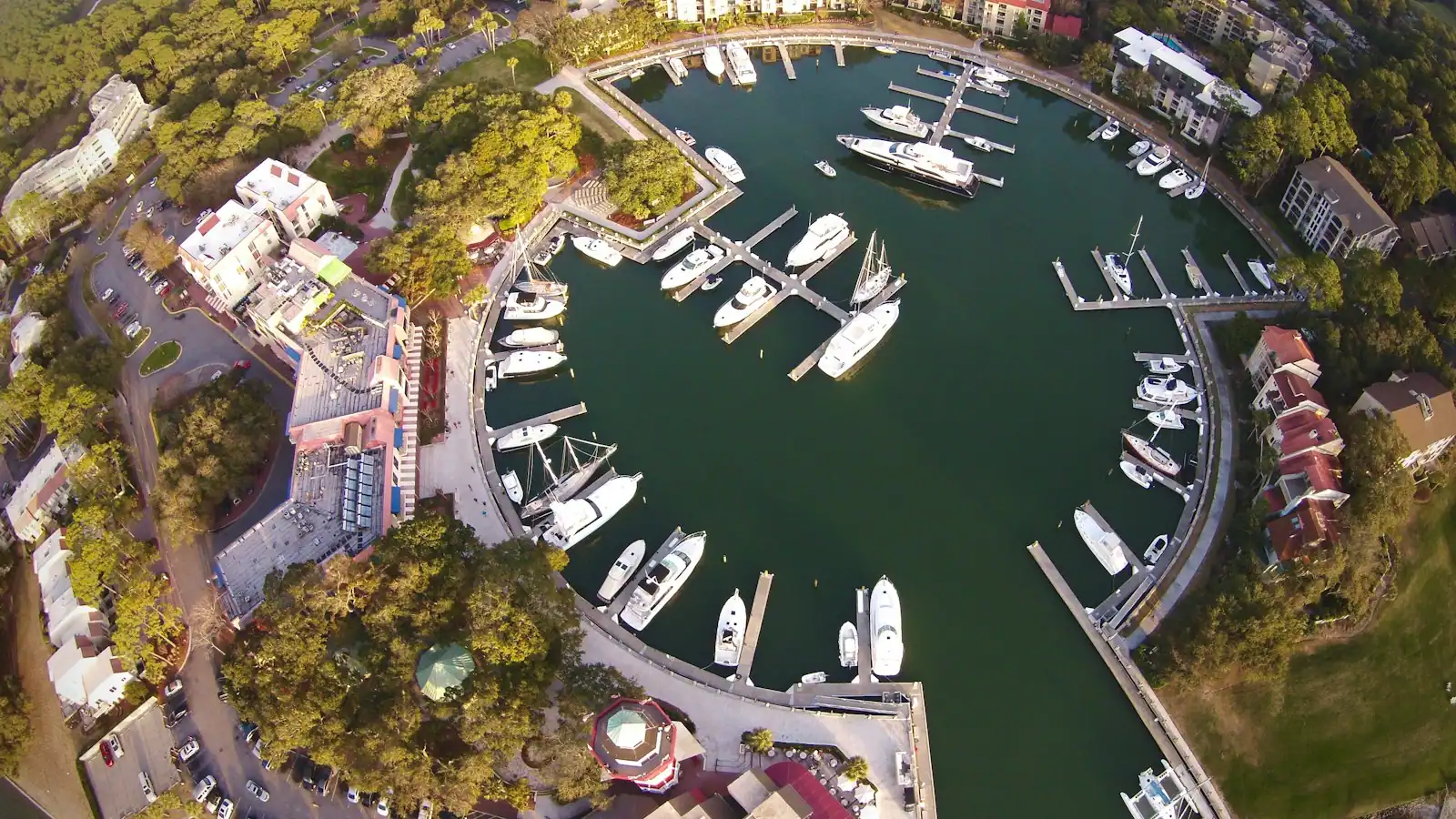
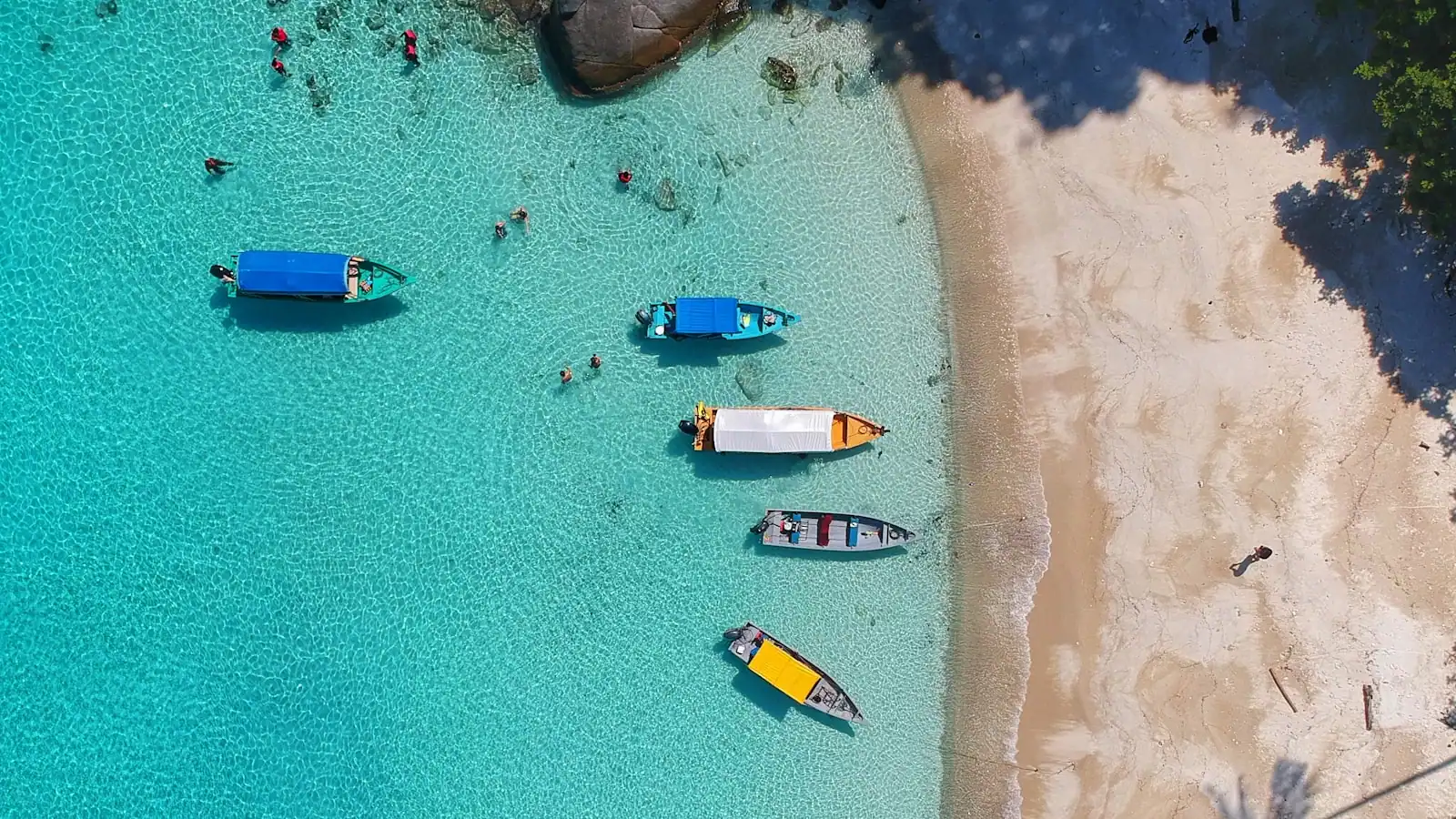
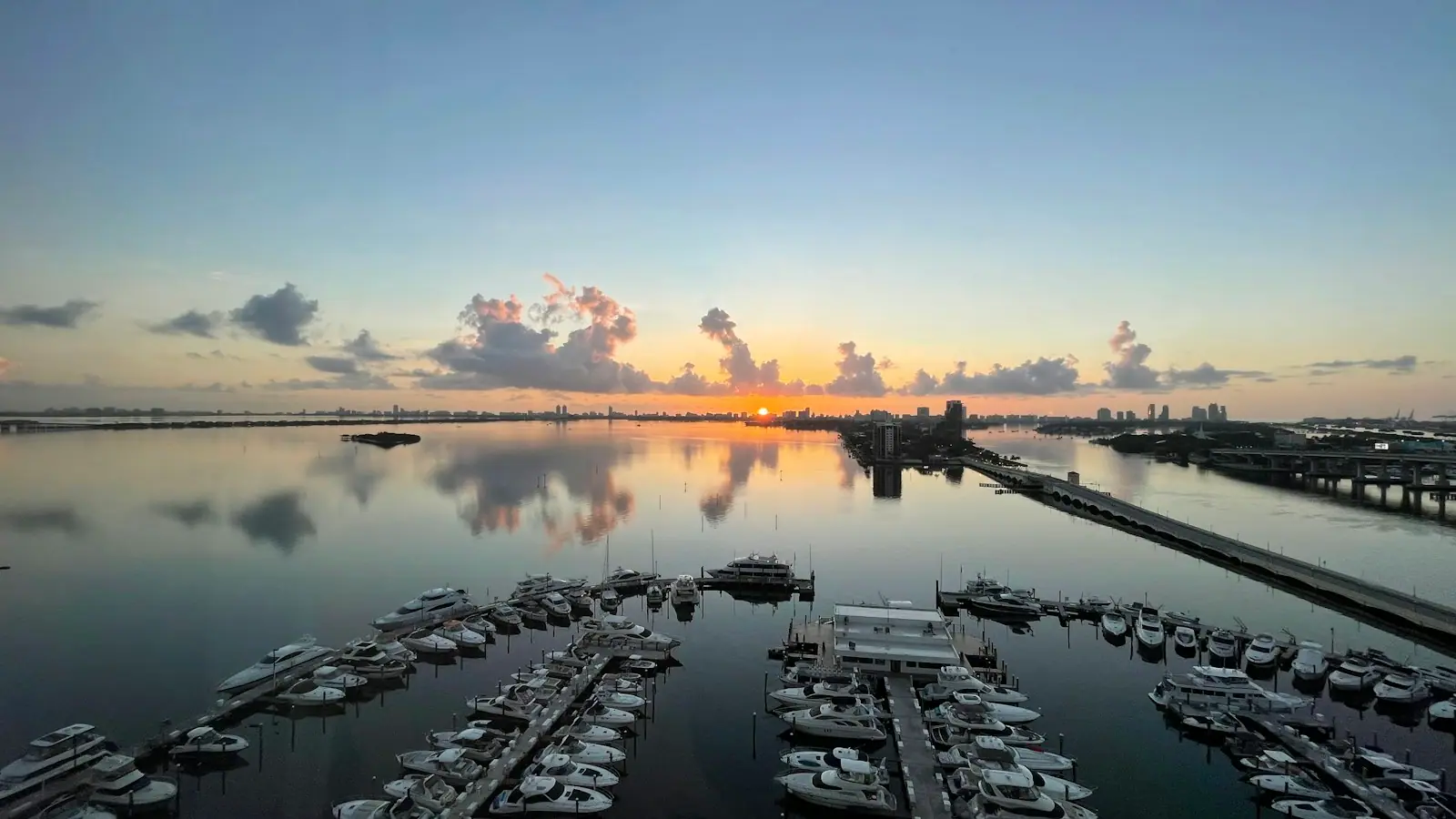
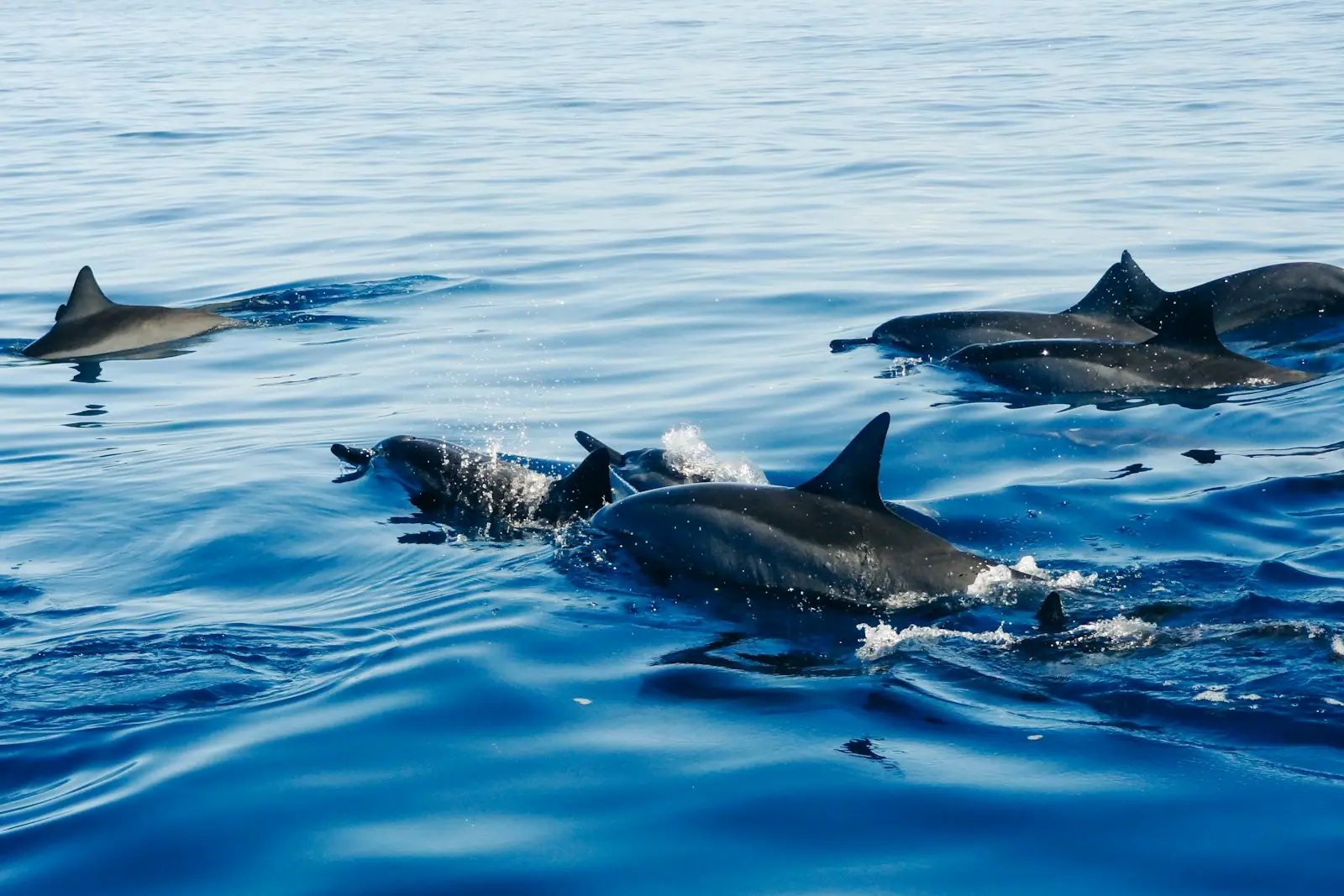
Almost every tour sold on this coast floats. There is no bus circuit, no walking-tour culture, no historic district to be led around. What there is instead is one of the densest concentrations of for-hire vessels in the United States, sitting either side of a single narrow pass, selling the same water at wildly different prices depending on the hull, the crew and the hours.
That range is the thing to understand before you book anything. The typical booking on this stretch lands somewhere around seventy dollars a head. But better than one experience in five here is priced above $250, a share far higher than any comparable Gulf beach town, and it is not because the operators are greedy. It is because a serious proportion of what is on sale involves a captain, a licensed vessel, fuel for a Gulf run and four to eight hours of somebody's working day. A shuttle seat and a private offshore charter are not the same product with different margins. They are different things.
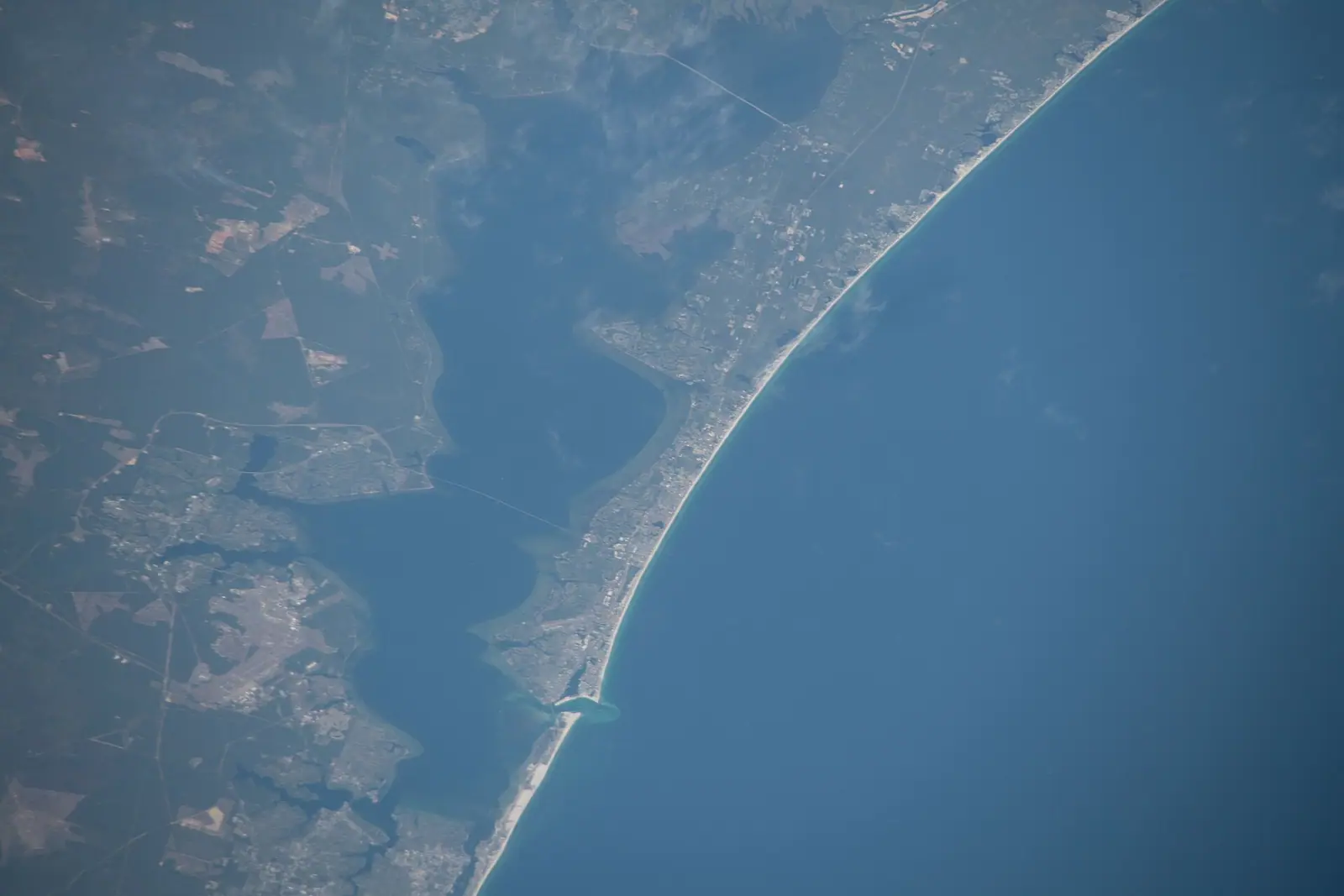
The geography is what makes the fleet possible. East Pass gives boats a short run from sheltered water to open Gulf, and the hundred-fathom curve — the point where the bottom falls away to serious depth — lies closer to this pass than to almost anywhere else in the northern Gulf. That is why Destin, eight miles east, carries the largest for-hire fishing fleet in the country, and why a boat leaving here at seven can be over deep structure before nine rather than at lunchtime.
Fort Walton Beach sells into that fleet without being it. Trips depart from both sides of the water, and plenty of operators listed under Destin will collect from Okaloosa Island or the Fort Walton Beach side, which is worth checking before you drive east and pay to park. The bay-side departures are generally the cheaper ones, and for anything ending at Crab Island the difference in run time is a few minutes.
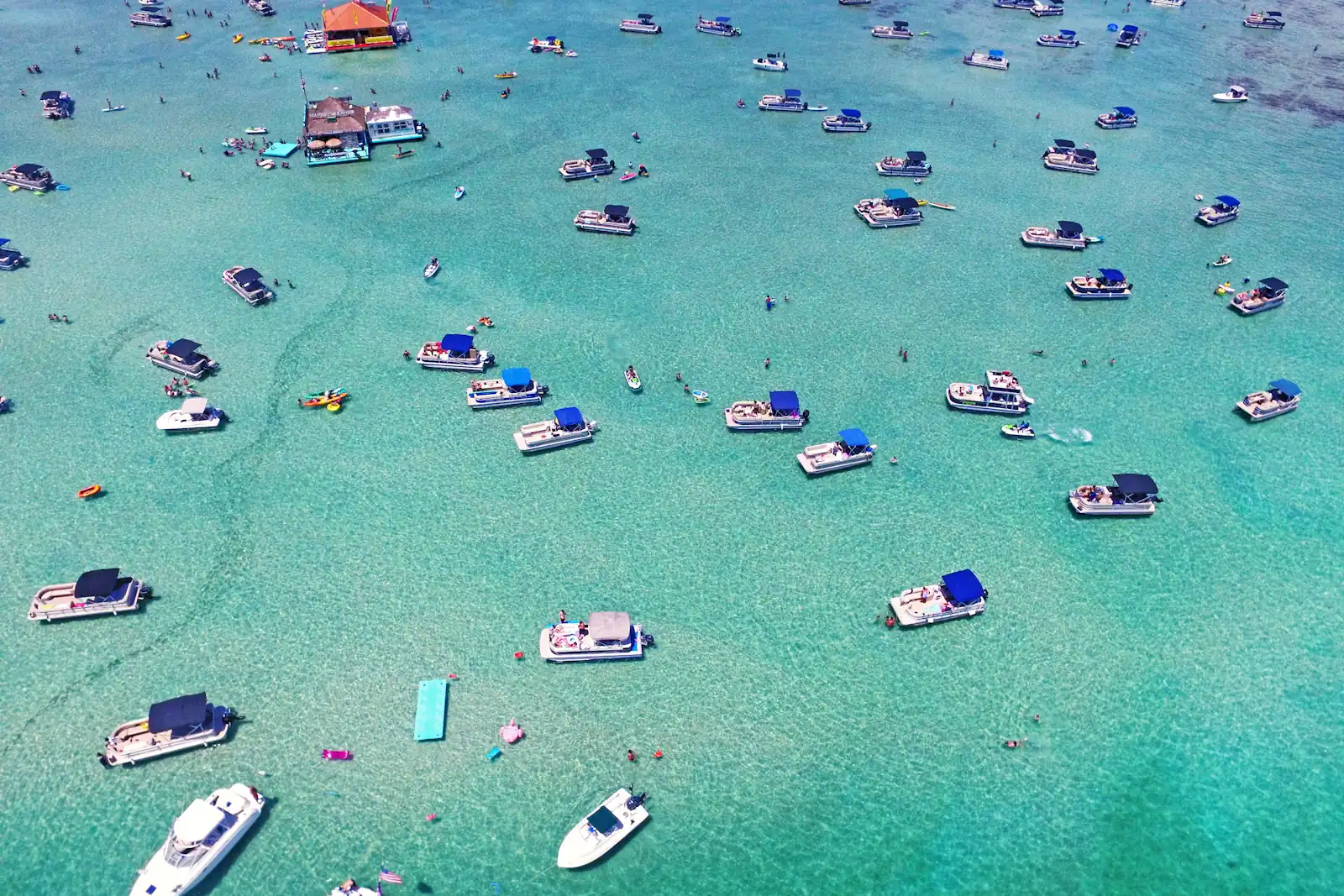
One thing this page will keep repeating: what you are buying is the vessel and the labour, not the destination. Six people can reach the same sandbar for sixty dollars each on a shuttle, three hundred each on a private charter, or a shared rental cost on a pontoon they drive themselves. All three end up anchored within a hundred yards of one another. The difference is who is responsible, when you leave, and whether anybody has to reverse a twenty-four-foot boat into a slip with a crosswind and an audience.
Below, the categories are sorted by that question rather than by activity name, with honest price bands, the weather rules that cancel trips here, and the specific paperwork Florida requires before it will let you drive a rented boat.