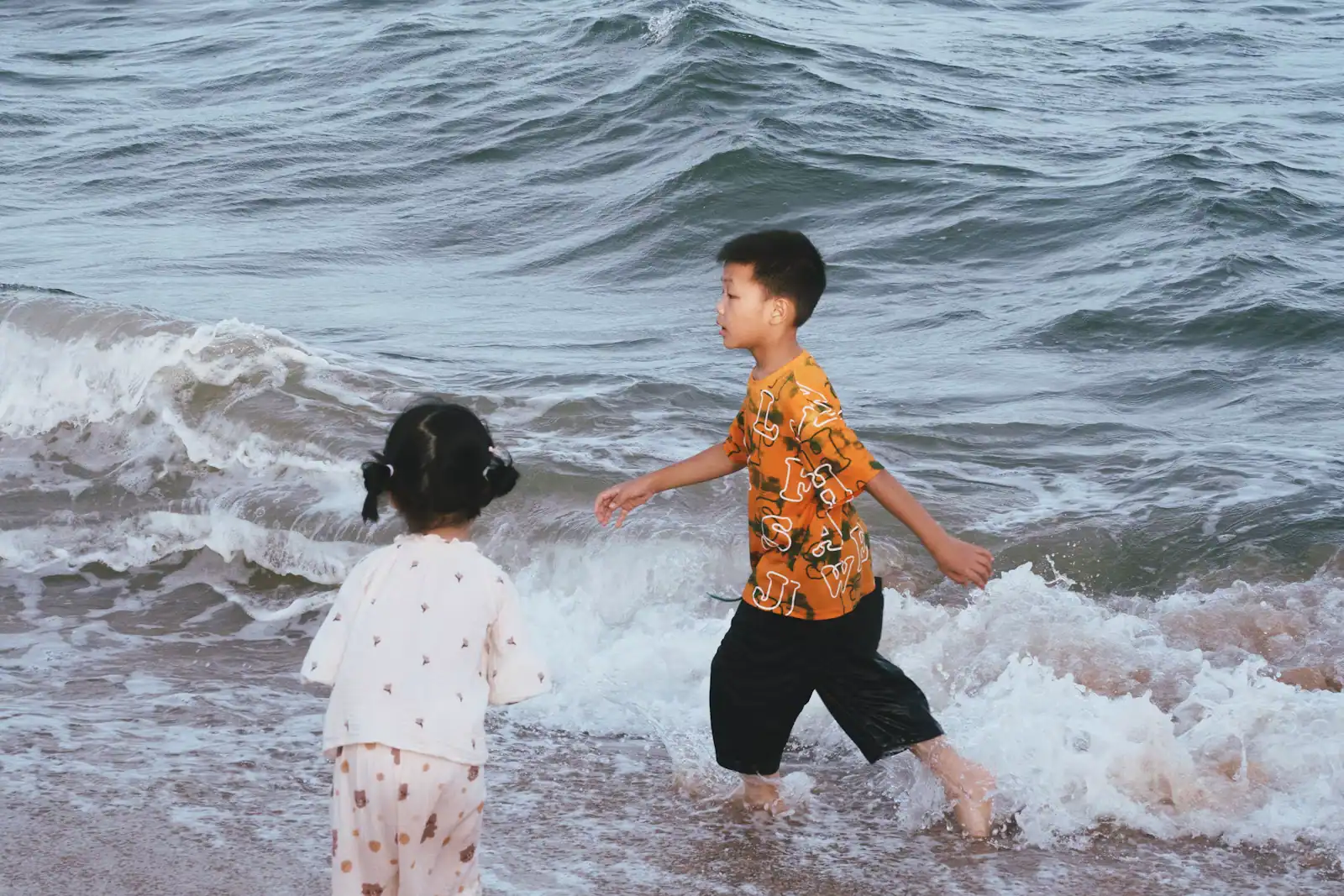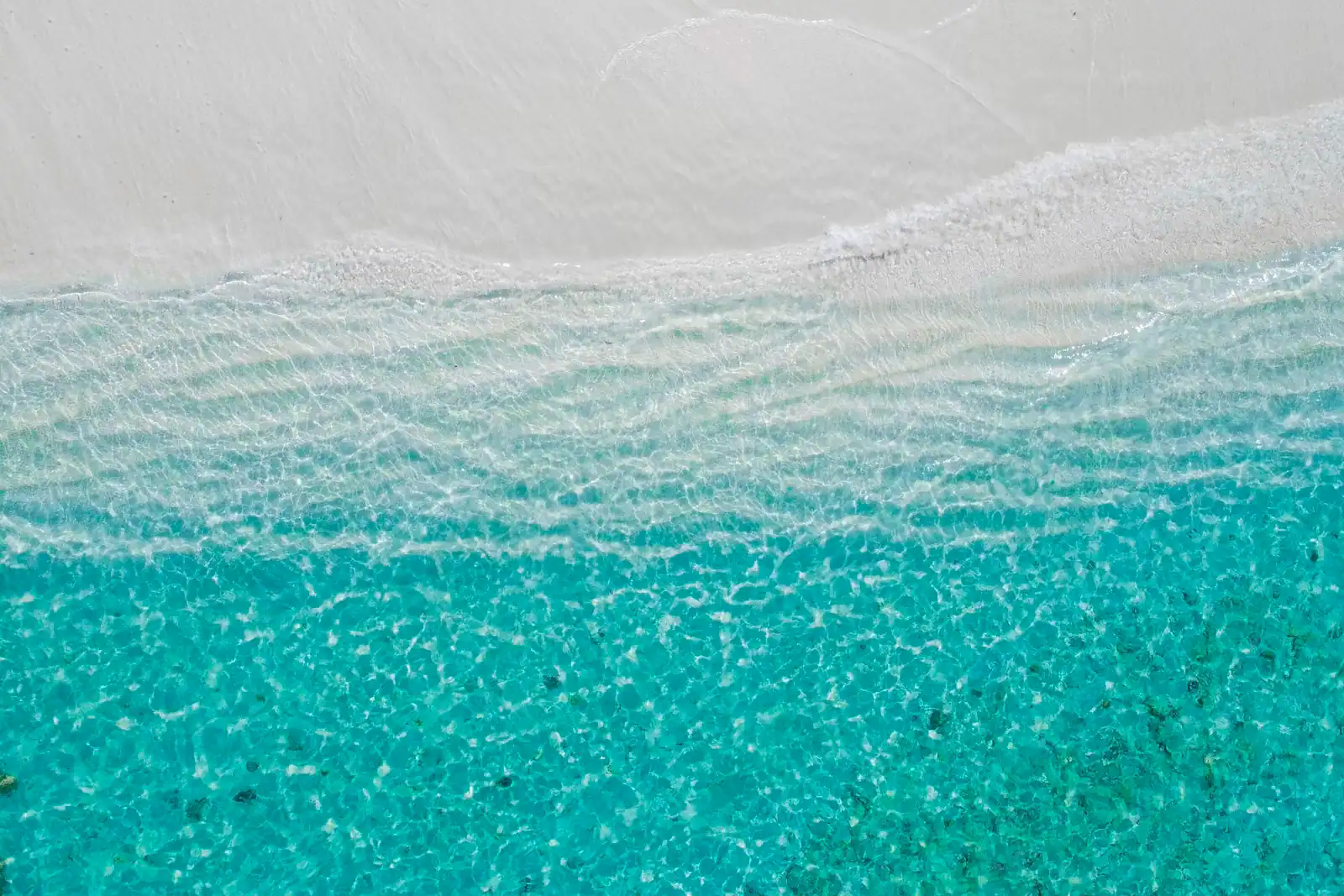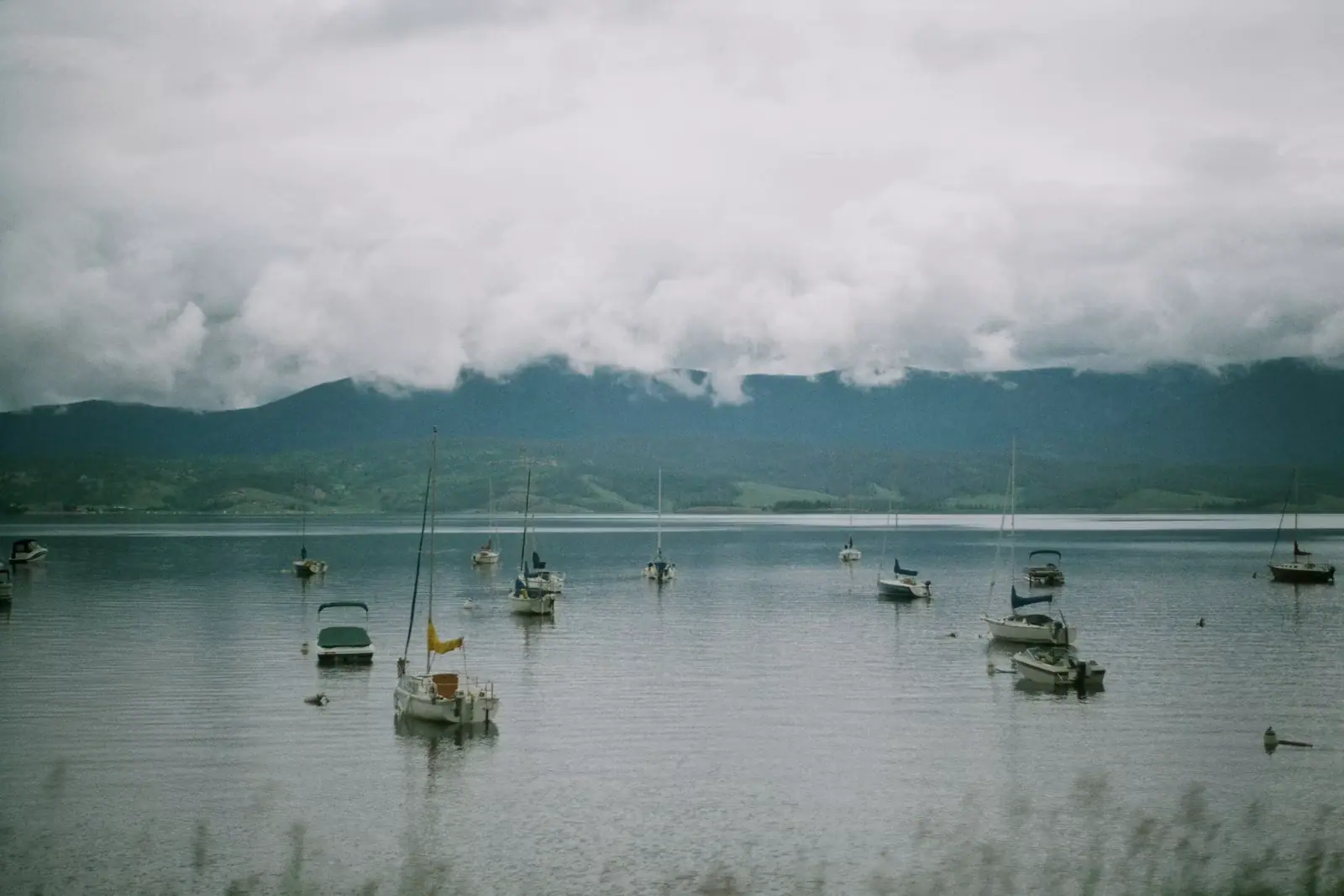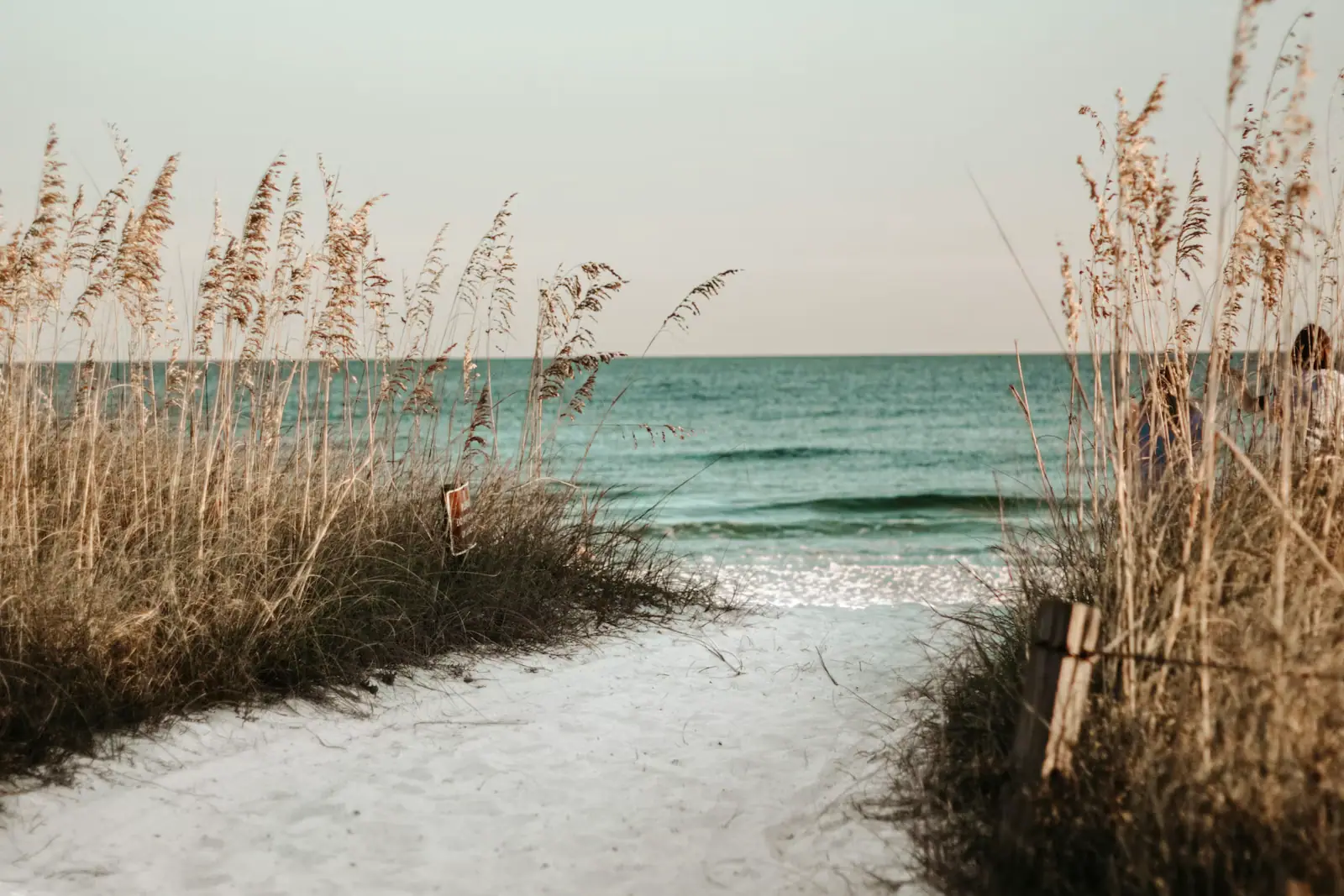
Most beach towns have one shoreline. This one has two, they face different directions, and they behave nothing alike.
The Gulf side is on Okaloosa Island: the white quartz, the surf, the flags, the lifeguards. The sound side is on the mainland and on the island's back edge, where Santa Rosa Sound and Choctawhatchee Bay give you flat, shallow, bath-warm water with no waves at all. Families with toddlers who spend the whole week on the Gulf side are working harder than they need to. Teenagers who spend it on the sound are bored.
Why there is so much public sand here
In July 1950 the federal government conveyed an 875-acre parcel of Santa Rosa Island, with about three miles of Gulf frontage, to Okaloosa County for $4,000. The county has administered that frontage ever since, and until 1995 property owners on the island could only lease rather than own their land outright.
That transaction is the reason this stretch has substantial free county beach parks between the condominium towers instead of a continuous private wall. It is a genuinely unusual arrangement on the Florida panhandle, and it is why a visitor without a Gulf-front booking can still park for nothing and walk onto good sand.
The Gulf beaches
| Beach | Where | Parking | Lifeguards | Best for |
|---|---|---|---|---|
| John Beasley Park | Okaloosa Island | Free, roughly 200 spaces | Summer season | The default family beach |
| The Boardwalk | Okaloosa Island | Paid and limited nearby | Guarded stretch adjacent | Beach plus lunch without moving the car |
| Okaloosa Island Pier | Okaloosa Island | Pier lot | Not on the pier | Fishing, watching, weather-watching |
| James Lee Park | Destin, 15 min east | Free county lot | Seasonal | A quieter Gulf beach with a restaurant behind it |
| Henderson Beach State Park | Destin, 20 min east | Per-vehicle fee | None posted | Tall natural dunes and boardwalks |
| Navarre Beach | Santa Rosa County, ~25 min west | Free | Seasonal | The emptiest sand, and Florida's longest pier |
John Beasley Park is where to go first. Free parking, dune walkovers including a ramp, restrooms with changing rooms, outdoor showers, picnic pavilions and lifeguards through the summer. It also carries a history the county marked with a plaque in 2015: the park was established during segregation as the beach open to Black residents of Okaloosa County, and it passed to county control after desegregation. It is worth reading the marker before you put the umbrella up.
The Boardwalk is the commercial cluster (restaurants, shops, watersports desks) with beach access behind it and the pier next door. It is the right choice if you want to eat without a second car journey and the wrong one if you want quiet.
Henderson Beach State Park is in Destin, not Fort Walton Beach, whatever a search result implies. It charges a per-vehicle entry fee, it has the biggest natural dunes on this stretch, and alcohol is not permitted inside a Florida state park even though it is allowed on the county beaches.
Navarre Beach is the outlier worth the drive. It sits in Santa Rosa County west of Hurlburt Field, it is markedly less developed, and its pier runs 1,545 feet, the longest in Florida.
The sound side, which nobody tells first-timers about
Liza Jackson Park is a mainland city park with about a thousand feet of Santa Rosa Sound frontage, a boat ramp, a fishing pier, pavilions, restrooms and a playground. The water is shallow a long way out and there is no surf. For a two-year-old, this is a better beach than anything on the Gulf side.
The Gulf Islands National Seashore's Okaloosa Area is a bay-side day-use strip on Okaloosa Island, open daily from 8am to sunset, with a long car park, restrooms, showers and a hand-launch ramp for kayaks and paddleboards. It is also where the kitesurfers stage, because the bay gets steady wind and no shorebreak.
Fort Walton Landing is the downtown waterfront on the sound, the events lawn rather than a swimming beach, but the place the town uses for festivals and the water it looks out over.
Sound water is warmer than the Gulf in summer by a degree or two, cloudier after river rain, and calmer in almost any wind that is not blowing straight down its length.
The rules that are actually enforced
- No dogs on Okaloosa County beaches, with narrow exceptions for service animals. This surprises people every summer.
- No glass containers in county or City of Destin beach parks.
- No fires on the beach below the vegetation line.
- No vehicles on the sand, public beaches included.
- Motorboats and personal watercraft must stay at least 700 feet off the Gulf shoreline. That setback is why the jet skis you hear are further out than they sound.
- Alcohol is permitted on county beaches and not inside state parks, and permitted is not the same as unlimited. Disorderly conduct is still an offence on sand.
Flags, and what the Gulf is doing
Okaloosa County flies green, yellow, red, double red and purple flags, changed through the day as conditions shift. Double red means the Gulf is closed under county ordinance and going in can bring a fine. Purple means marine life: jellyfish here, occasionally in numbers after an onshore wind.
The relevant hazard in ordinary conditions is a rip pulling out through a break in the offshore bar. It does not look dangerous from the dune line, and the surface over it often looks calmer than the water either side. Swim across it rather than against it, wave an arm, and let the lifeguard do their job.
Sea turtle season changes the beach
From 1 May to 31 October, loggerheads, greens and the occasional leatherback nest on this coast, and beachfront lighting restrictions apply along the developed shoreline. What that asks of you is small and it matters: fill in holes and flatten sand castles before you leave, take chairs, umbrellas and tents off the sand at the end of the day, keep torches and phone lights off the beach after dark, and draw the curtains on a Gulf-front balcony at night.
The Gulfarium's C.A.R.E. Center rehabilitates roughly a hundred sea turtles a year and releases some of them publicly on this coast. A good number of those animals were brought in because of something avoidable on a beach.
What a storm does here
Fort Walton Beach knows what a bad one looks like. Hurricane Opal came ashore near Pensacola on 4 October 1995 and pushed something in the order of eight feet of sand across Okaloosa Island and into the ground floors of the condominium towers, and sailboats floated out of a marina onto US 98 in town. Hurricane season runs 1 June to 30 November, with the statistical peak in the late summer.
Nothing about that should stop you booking a September week: they are the cheapest and often the finest of the year. It should make you buy the insurance, read your rental's evacuation clause, and take a named storm in the Gulf seriously on the day rather than the day after.
Parking, and the hour it stops being easy
Beasley's lot is free and it fills. On a July Saturday it is gone by mid-morning and stays gone until the afternoon turnover around three or four o'clock. The same is true of the smaller accesses along Santa Rosa Boulevard.
The workable pattern on a summer weekend is to arrive before ten, or to arrive after three and stay for the best light of the day. In April, May, September and October you can turn up at noon and park.
One local habit worth copying: if the island lot is full, do not circle it. Cross back to the mainland and take the sound instead. Liza Jackson Park almost never fills, and on a day when the Gulf is flagged red the sound is the better swim anyway.
Bridge works have shifted approach roads and lane patterns on the island more than once since 2023. If a route looks different from the map on your phone, follow the signs rather than the phone.
Last updated
Opening hours, ordinances and prices move with the season. We re-check this guide rather than rewrite it, and the date above is the last time someone did. How we research and correct.