Skip to content
Search
Menu

We earn a commission if you book through this link. You pay the same price.

Things to Do

Parasailing over the Emerald Coast

Last updated

Parasailing in Fort Walton Beach and Destin: what you see through water this clear, Florida's wind rules for operators, weight limits and what a flight costs.

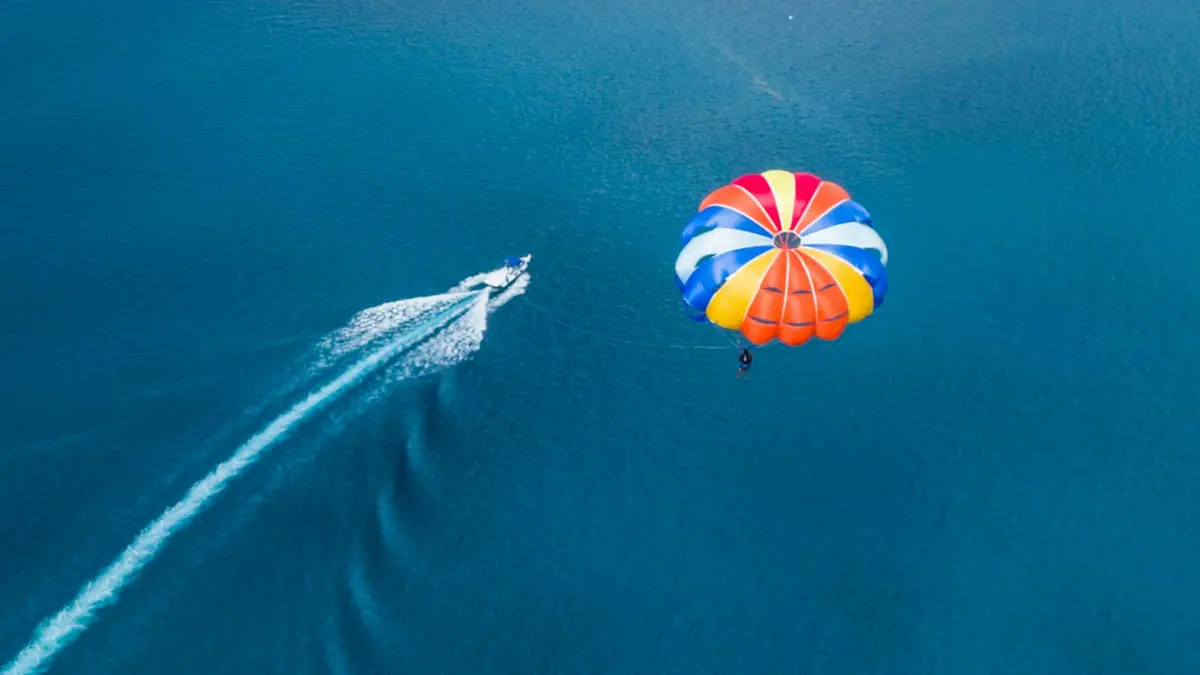
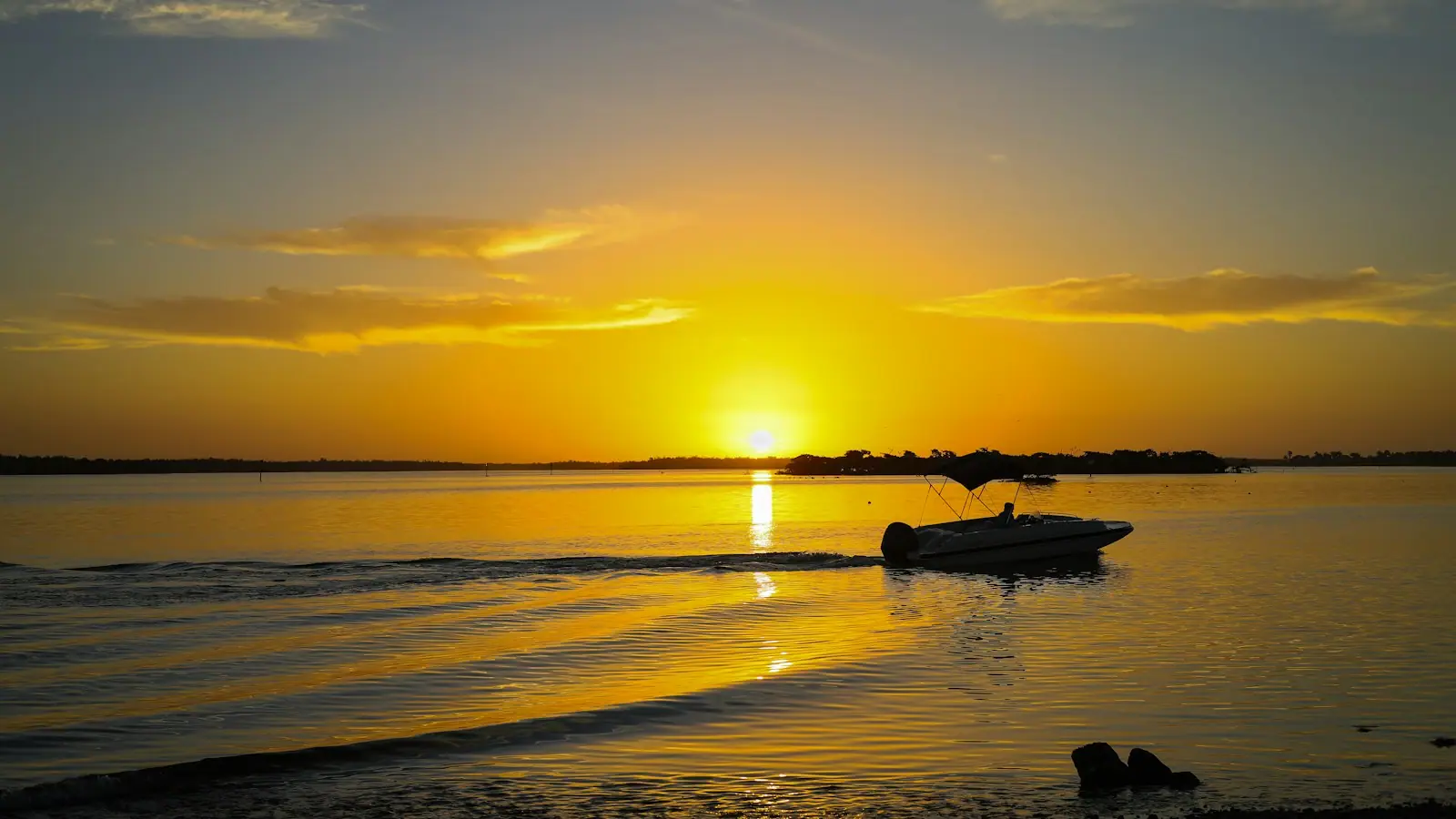
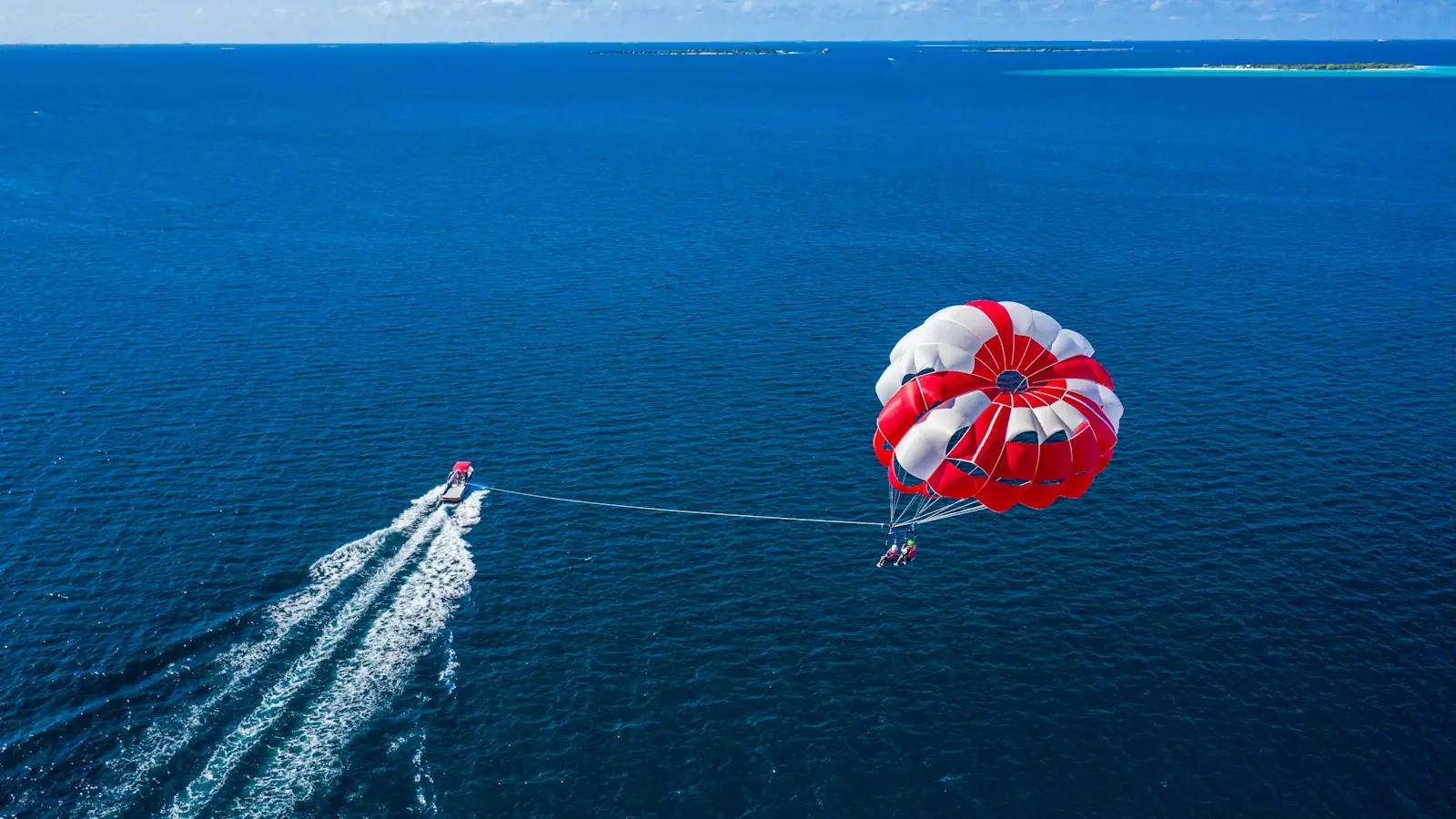
A parasail canopy flying above open water behind a boatUnsplash

Parasailing is sold nearly everywhere there is a beach, and nearly everywhere the pitch is the height. Here the pitch should be the water.

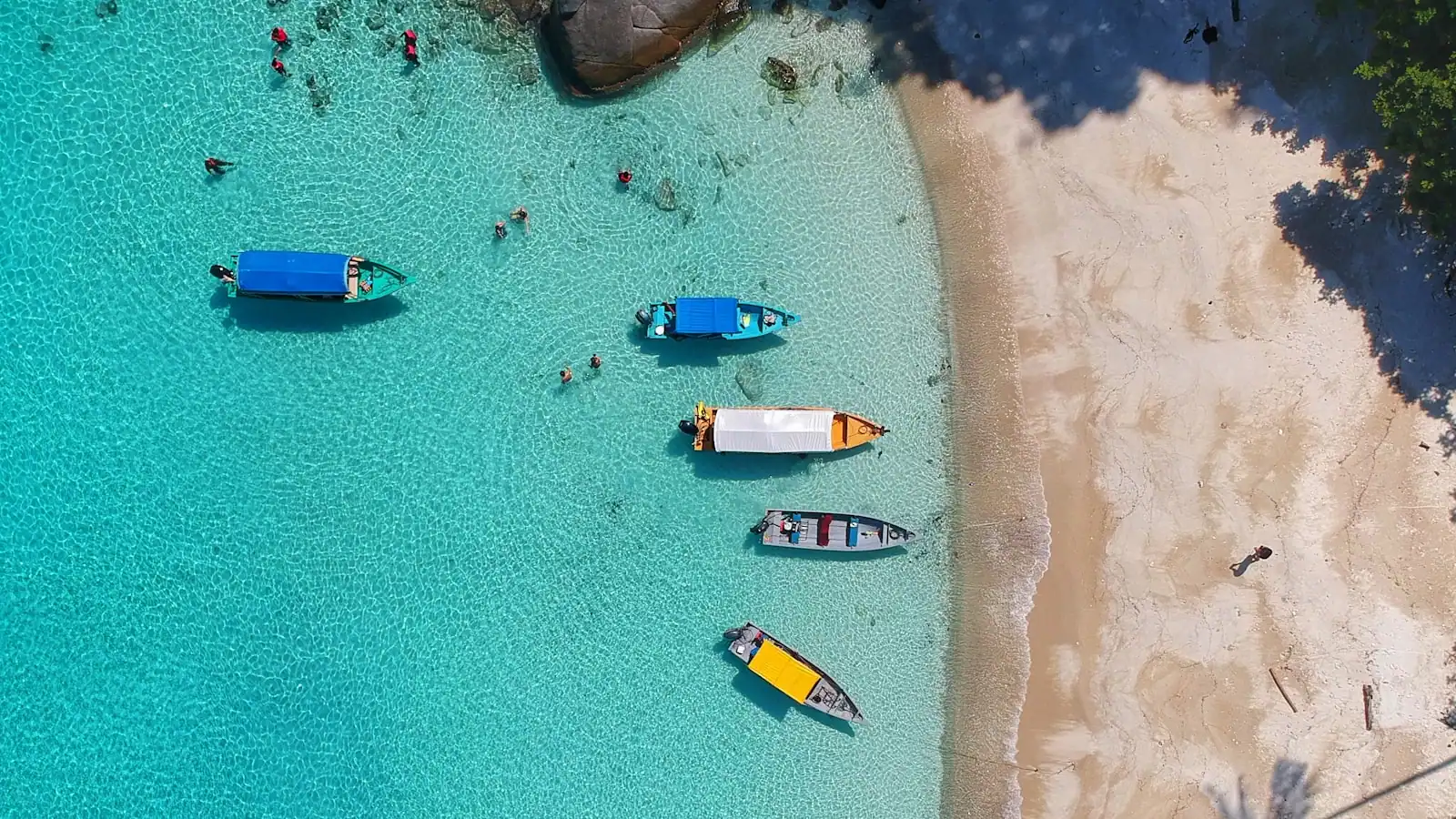
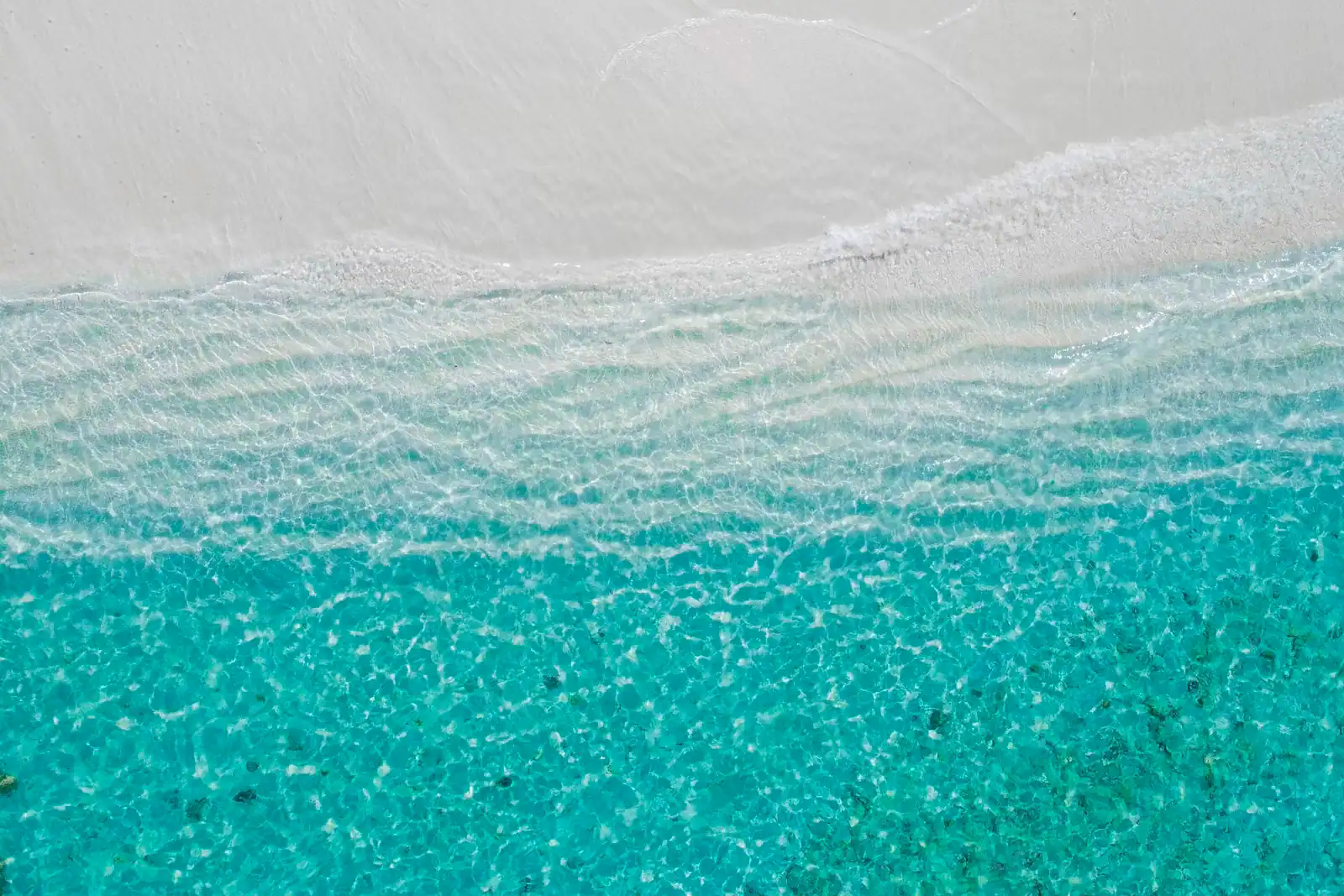
The sand on this coast is close to pure quartz, ground out of the southern Appalachians and carried down to the Gulf at the end of the last ice age, and it is unusually white and unusually reflective. Light goes down through clear water, bounces off a white bottom and comes back up, which is what makes the Gulf here run the particular pale green the coast is named after. It also means that on a calm morning you can see the seabed from four hundred feet in the air.

That changes what the activity is. From a parasail over most of Florida you look at a coastline. From a parasail over Okaloosa Island on a settled day you look through the water: the ridged pattern of the sandbars running parallel to the beach, the darker patches of artificial reef the county has laid down offshore, rays moving over the flats, and with any luck a sea turtle or a pod of dolphins directly below you, at a scale nothing on a boat gives you. People who have flown elsewhere and then flown here report the same thing, which is that they spent the whole flight looking down rather than out.

The geography adds three landmarks you get for nothing. Look east and you can usually pick out East Pass, the jetties and the raft of boats over the Crab Island sandbar. Look north across the sound and the land is almost entirely undeveloped, because it belongs to Eglin Air Force Base. Look west along Santa Rosa Island and there is a barrier island running to the horizon with very little on it.

Flights here are short, and it is worth knowing that before you feel short-changed. You are typically airborne for something like eight to twelve minutes on a boat trip that lasts an hour or more, because the boat carries several groups and flies them in rotation. The ride out, the wait and the ride back are part of the purchase.

The rest of this page is about the part of parasailing nobody enjoys discussing. Florida regulates this activity by statute, with specific numbers attached, because people have been killed doing it. Those numbers are published below so that you can hold an operator to them rather than trusting a feeling about the weather.
Our picks

The ones we would book

  • Editor's Pick

    Best flight on a boat that runs the clear water

    Why we chose it

    The whole value here is looking down, so the flight worth paying for is the one that operates over the open Gulf on a calm morning rather than inside sheltered water. Ask where the boat flies and take the earliest slot of the day, which is both flattest and least likely to be cancelled.

    Top Shelf Tikis Crab Island Adventure 3 hr
    Low Supplier Cancellation Rate

    Top Shelf Tikis Crab Island Adventure 3 hr (opens in a new tab)

    Editor's PickFree cancellationInstant confirmation
    304 reviews

    Set sail on a lively 3-hour Premium Tiki Boat trip to Crab Island in Destin, Florida, where adventure and relaxation await. This…

    3 hours

    Prices checked

    from $79
  • Best Value

    Best tandem price for two people

    Why we chose it

    Flying tandem is cheaper per head than flying alone and is easier for anyone uncertain about the ascent. Check whether the quoted figure is per person or per flight before comparing listings, because operators publish it both ways and the difference is substantial.

    Destin Dolphin Cruise
    Short term availability

    Destin Dolphin Cruise (opens in a new tab)

    Best ValueFree cancellationInstant confirmation
    592 reviews

    Our product is unique because of how easy it is to walk around and see over the side of the boat. Our boat is stable open air with a…

    1–2 hours

    Prices checked

    from $27
  • Best for Families

    Best operator for a first flight with children

    Why we chose it

    Minimum ages here are set by the company rather than the state, so they vary widely. Look for one that flies children harnessed with an adult, carries non-flying observers cheaply, and says plainly what happens in a weather cancellation. A triple flight usually gets everyone up for less.

  • Best Private Tour

    Best private charter flight for a group

    Why we chose it

    Booking the boat rather than seats on it removes the long wait while other groups rotate, which is the main complaint about parasailing anywhere. Worth it for six or more, or for anyone who wants the schedule moved to the calmest hour. This coast carries a deep premium inventory.

    Take in a view only found on the Emerald Coast!
    Low Last Minute Supplier Cancellation Rate

    Crab Island Pontoon Boat Rentals (opens in a new tab)

    Best Private TourFree cancellationPrivate tour
    322 reviews

    Want the easiest way to get to Crab Island without dealing with traffic, crowds, or complicated rentals? Your Crab Island adventure starts…

    2 hours

    Prices checked

    from $199
  • Best for Couples

    Best flight for two on a settled evening

    Why we chose it

    Late-afternoon flights over this water catch low light on a white bottom, which is the best version of the view. Conditions have to cooperate, so treat it as a bonus rather than the plan, and book a morning slot as your fallback earlier in the week.

    Dolphin Cruise in Destin FL
    Low Last Minute Supplier Cancellation Rate

    Dolphin Cruise in Destin FL (opens in a new tab)

    Best for CouplesFree cancellationInstant confirmation
    791 reviews

    Experience the thrill of dolphin-watching with Hydrojet on an excursion that navigates Crab Island, showcases a scenic cruise of Destin…

    1 hour

    Prices checked

    from $37

What the height actually shows you

An aerial view of a parasail canopy above open seaUnsplash
An aerial view of a parasail canopy above open sea

Operators on this coast generally fly around four hundred feet up, on something in the region of eight hundred feet of line, and the activity is conventionally kept below a five-hundred-foot ceiling.

At that altitude on a clear day the underwater topography becomes legible in a way it never is from a boat. The nearshore sandbars show as pale ridges with darker troughs between them, and once you have seen that pattern from above you will understand where the rip currents form and why the beach flags matter. Further out you can often pick out the darker rectangles of the artificial reef modules the county has been laying since the 1970s.

Wildlife is the part people talk about afterwards. Southern stingrays and cownose rays cross the flats in numbers, sea turtles surface and dive, and dolphins working along the beach line are visible from a long way off. None of it is guaranteed, and a flight on a stirred-up day shows you a green blur and a shoreline.

The land is worth a look too. The undeveloped shoreline north across Santa Rosa Sound is military reservation rather than conservation land, which is why this stretch of the panhandle has so much empty green on it. To the east, the pass and the sandbar are visible on most flights, and on a summer weekend the raft of boats over Crab Island is a startling thing to see from the air.

Bring nothing you cannot lose. Phones go into the water regularly and most operators sell photographs for exactly that reason.

How a flight actually works

Almost all parasailing on this coast is run from winch boats rather than from the beach, which is both safer and more comfortable than the older method of running down the sand.

You board at a harbour dock or, on the island side, from a beach launch, and the boat runs out to open water. Flyers go up in rotation, so you will watch two or three groups before your turn and two or three after. Harness and life vest go on aboard. You sit on a platform at the stern, the canopy inflates behind the boat, and the winch pays out line while you rise steadily from the deck. The word people use is anticlimactic, because there is no jump and no jolt.

At altitude it is quiet. The engine noise falls away, there is no wind rush because you are travelling with the air, and it is far calmer than anyone expects from the photographs. Landing is the reverse: the winch brings you down onto the platform, and if the crew judges the conditions right they will often dip you into the water on the way in, which is done deliberately and only if you want it.

Most operators fly tandem, and triple flights are common when combined weight allows. Flying with somebody else is both cheaper and, for anyone nervous, considerably easier.

Total time on the boat is usually between an hour and ninety minutes. Time in the air is a fraction of that. Nobody should book this expecting a long flight; you are buying ten remarkable minutes.

Weight, age and who should not do this

Local tips

Limits vary between operators and shift with the day's wind, because the canopy's behaviour depends on the load under it. Confirm with the specific company rather than assuming.

  • Minimum weight is commonly published around ninety pounds for a solo flyer, with lighter people required to fly tandem so the combined load is enough to keep the canopy stable.
  • Maximum combined weight typically sits somewhere in the four hundred to five hundred pound range for a tandem or triple, though a windy day will lower it.
  • Minimum age is set by the operator rather than by statute and varies widely. Some will fly a six-year-old harnessed with a parent; others set it much higher. Ask when you book, not at the dock.
  • Pregnancy, recent surgery, back and neck problems, and heart conditions are all standard exclusions. The harness takes your weight through the thighs and hips and the landing can be firm.
  • Nervous flyers should go tandem with somebody calm, take the first slot of the day when the water is flattest, and tell the crew. They deal with this constantly and will talk you through the ascent.
  • Nothing loose. Sunglasses, hats, phones, jewellery and anything in a pocket will end up in the Gulf. Leave it in the boat.

One honest exclusion: if you are frightened of heights in a way that has stopped you doing things before, this will not cure it, and being three hundred feet up on a winch line is a poor place to find out.

When they fly, and when they cancel

When to go

Morning, every time. The Gulf here is flattest before the sea breeze fills in, usually by late morning, and a flat sea makes the boat ride out pleasant and the launch and landing straightforward. The first flights of the day are also the ones least likely to be cancelled, which matters if you have one spare day in the week.

Summer afternoons are the cancellation window. Heat builds over the interior, storms fire inland after lunch and drift toward the coast, and the seven-mile lightning rule in the statute does exactly what it should. If you book an afternoon slot in July, have a plan for being sent home.

Spring and autumn are the best conditions, with settled air between fronts, clear water and thinner crowds. October in particular tends to give flat mornings and excellent visibility through the water.

Winter is a lottery. Some operators run year-round and some do not, fronts come through weekly, and even on a calm day the Gulf in February is cold when you get dipped.

Watch the flags as a proxy. The beach flag system governs swimming rather than boating, but a red or double red flag on the Okaloosa Island beaches usually means conditions that will keep a parasail boat at the dock too.

Book early in your stay rather than on the last day. That way a weather cancellation has somewhere to go.

What a flight costs

What it costs

Bands rather than quotes, and they move with the season more than most things on this coast.

  • A single flyer commonly sits somewhere in the $60 to $110 range on this coast, with the lower end appearing in shoulder season and in bundled deals.
  • Tandem is usually priced per person and works out cheaper each than flying alone.
  • Spring break and the Fourth of July push prices up noticeably, and some operators add a premium to the most popular slots.
  • Observers riding along without flying are often carried for a modest fee, which is worth knowing if one person in a group has no intention of going up.
  • Photographs are almost always extra, taken by the crew, and are the reason to leave your own phone ashore.

A few things to check before paying. Whether the quoted price is per person or per flight; how long the whole boat trip is, not just the airborne time; what the cancellation and rebooking policy is for weather, which on this coast is not a theoretical question; and whether the operator's captain is USCG licensed, which the statute requires.

For a family, ask about a triple flight. Three people up together on one canopy is usually the cheapest way to get everybody airborne and is often the better experience, because nobody is up there on their own wondering whether to enjoy it.

Book it

Everything else we track

Some links below go to Viator, our booking partner. We earn a commission on bookings made through them — at no extra cost to you, and with no influence on what we recommend.

An open departure, or a small group

The same experience sells two ways here. An open departure fills every seat and is priced accordingly; a small-group departure caps the numbers, which costs more per person and buys you room, quiet and a guide who can answer you. Both are priced per person, so compare the cap, not just the price.

  • Book a seat

    A shared departure, priced per person. The cheapest way to do this for one or two people.

    SunVenture Cruises departing from the Destin Harbor
    Eco Tours

    Destin Harbor Sunset Eco Dolphin Cruise (opens in a new tab)

    Free cancellationLikely to sell out
    335 reviews

    Your Sunset Eco-Dolphin Cruise begins with a leisure cruise into the majestic sunset from our Destin Harbor location. There is simply…

    1–2 hours

    Prices checked

    from $35
  • Book a small group

    Numbers are capped rather than filled: you still share, with far fewer people, and still pay per person.

  • Tiki heading to Crab Island Destin
    Ports of Call Tours

    Tailfins Tiki CRAB ISLAND (opens in a new tab)

    Free cancellationInstant confirmation
    468 reviews

    You can reserve Tailfins Tikis Non-private on Viator or its affiliates for up to 7 passengers, but the vessel holds is ticketed approx…

    3 hours

    Prices checked

    from $60
  • Destin Parasailing Experience
    Low Last Minute Supplier Cancellation Rate

    Destin Parasailing Experience (opens in a new tab)

    Free cancellationLikely to sell out
    260 reviews

    Parasailing looks scary from a distance, but when you’re in the air — 400 feet in the air — it magnifies the beauty of the landscape below…

    1–2 hours

    Prices checked

    from $85

The Florida rules, with the numbers

Before you book

Florida passed a dedicated commercial parasailing statute in 2014 after a run of serious accidents, and it is unusually specific. Knowing what it says turns "is it safe today" from a feeling into a check.

Commercial parasailing is prohibited when any of the following is true:

  • Sustained wind in the area of operation exceeds 20 mph.
  • Gusts exceed the sustained wind speed by more than 15 mph.
  • Gust speed exceeds 25 mph.
  • Rain or heavy fog reduces visibility below half a mile.
  • A known lightning storm is within 7 miles of the operating area.

The same law requires the person operating the vessel to hold a current United States Coast Guard licence, requires the business to carry liability cover of at least one million dollars per occurrence and two million in aggregate, and requires the boat to carry both a working marine VHF radio and a separate device able to pull National Weather Service forecasts and current conditions.

What to do with that. If the flags are up, the sky is dark to the north and the boat is still selling tickets, walk away. If a crew tells you the wind is fine on a day when it is plainly gusting hard, ask what the sustained reading is. A good operator will tell you, because a good operator has already looked.

And understand that a cancellation is the system working. Being turned away at the dock in July because a cell is building inland is not a failure of your holiday. It is the statute doing its job.

On the ground

Where to go

Every place below has its own page — hours, parking, what it costs and what to expect when you get there.

  • Aerial view of small boats anchored together on shallow clear water beside a pale sandbar
    Water feature

    Crab Island

    Free

    A submerged sandbar north of the Destin bridge where the bay runs waist-deep and several hundred boats raft up. Reachable only by water.

    3–8 hoursThe sandbar itself is free public water. The cost is the boat: shuttle seats at the low end, pontoon rentals in the mid hundreds for a half or full day, private charters higher.

    Photograph: Nicolas Henderson

  • Late light and low cloud over moving water near a narrow channel
    Water feature

    East Pass

    Free

    The only channel between Choctawhatchee Bay and the Gulf, started by four men with shovels in a 1929 flood and never closed since.

    0.5–2 hoursFree. Viewing from the Marler Bridge walkway, Norriego Point and the east jetty costs nothing.

    Photograph: Jacob Weston

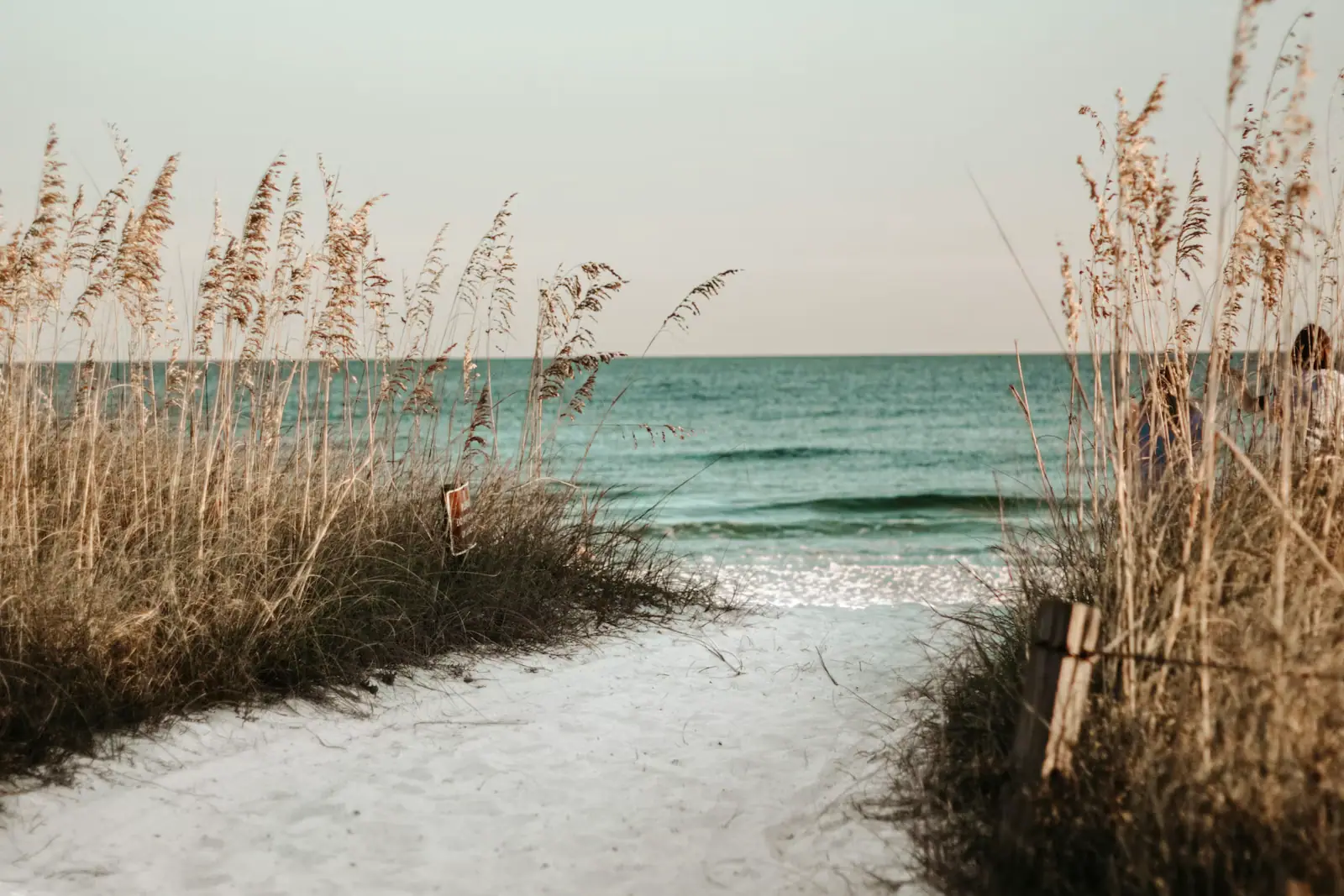
  • Sea oats growing on a low dune above a wide pale beach under a broad sky
    Neighbourhood

    Okaloosa Island

    Free

    The county-owned beach strip across the sound from town: three miles of Gulf front, free parking, and no city government at all.

    3–10 hoursFree, with free parking at the county beach accesses and the Boardwalk.

    Photograph: SrA Carlin Leslie

  • Low waves breaking along a wide, flat stretch of beach in late evening light
    Beach

    John C. Beasley Park

    Free

    The county's fullest free beach access — pavilions, showers, seasonal lifeguards — and the beach Black residents were once confined to.

    2–6 hoursFree, including around 200 free parking spaces.

    Photograph: Unsplash

  • A palm-lined pedestrian street with low shopfronts and cafe tables set out along it
    Entertainment

    The Boardwalk on Okaloosa Island

    Free

    A county beach access with restaurants, shops and a playground attached — the one spot on the island where a day needs no planning.

    1.5–5 hoursFree to enter, with free parking. Food, shops and the adjoining pier are paid separately.

    Photograph: Earth Science and Remote Sensing Unit, Lyndon B. Johnson Space Center

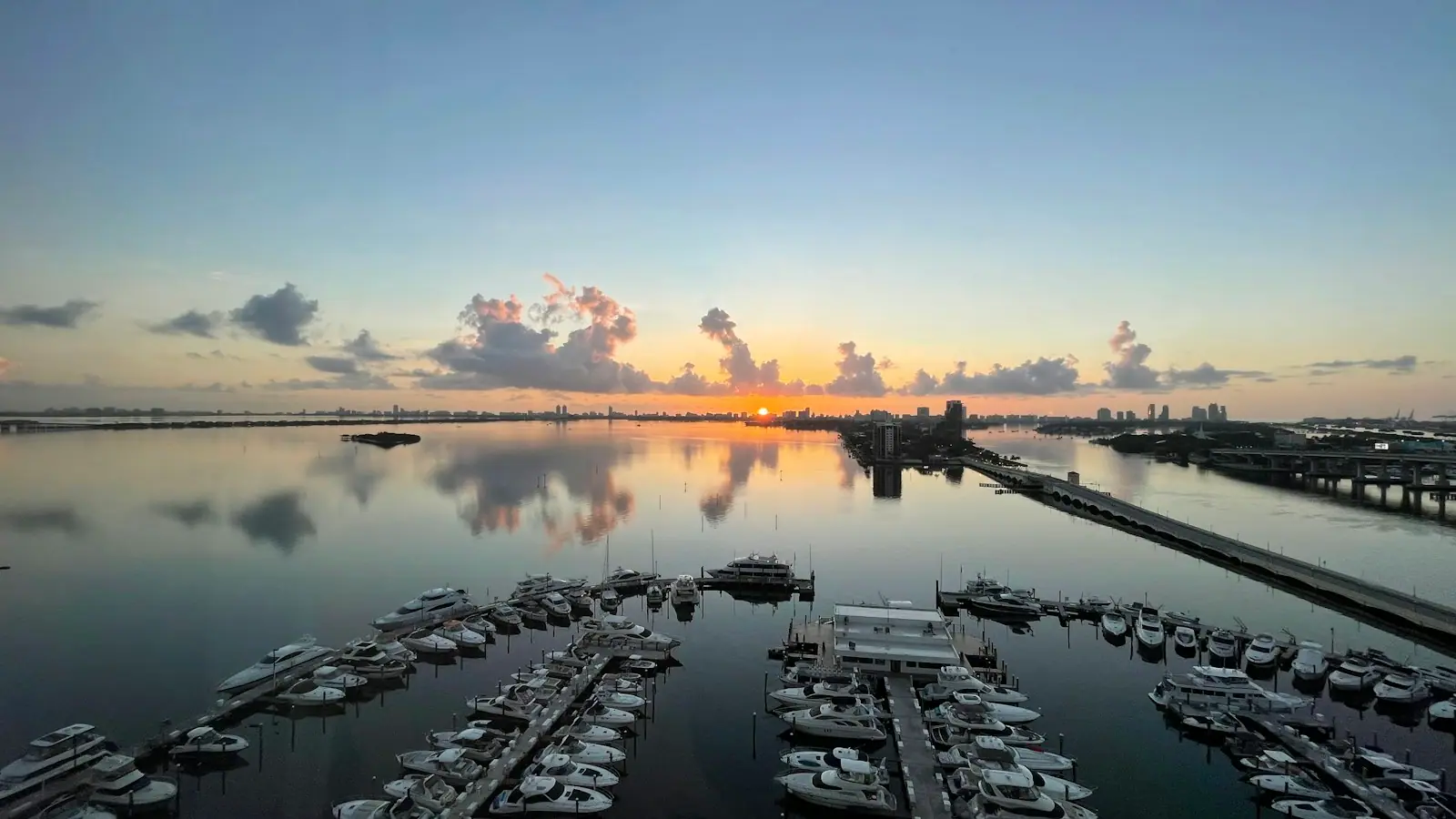
  • Rows of boats moored in a marina basin on flat water at first light
    Marina

    Destin Harbor

    Free

    Half an hour east: the largest charter fishing fleet in the country, most Crab Island departures, and the noise to match.

    1.5–8 hoursFree to walk the harbour and the boardwalk. Charters, rentals and shuttles are priced by operator, and Destin's offshore trips sit well above the regional average.

    Photograph: Wikideas1

Straight answers

Questions people actually ask

How high do you go parasailing in Fort Walton Beach?

Operators on this coast generally fly around four hundred feet up, on something in the region of eight hundred feet of line, and the activity is conventionally kept below a five-hundred-foot ceiling. Height is less of the point here than elsewhere, because the water is clear enough over white quartz sand that on a calm day you can make out sandbars, reef modules and rays on the bottom from altitude.

Is parasailing safe in Florida?

Florida regulates it by statute, which not every state does. Commercial parasailing is prohibited when sustained wind exceeds 20 mph, when gusts exceed sustained wind by 15 mph, when gusts exceed 25 mph, when visibility falls below half a mile, or when a known lightning storm is within seven miles. Operators must also hold a Coast Guard licence, carry specified liability cover, and have a VHF radio and a weather device aboard.

How much does parasailing cost in Fort Walton Beach?

Commonly somewhere in the $60 to $110 range a flyer, lower in shoulder season and higher at spring break and around the Fourth of July. Tandem flights are usually priced per person and work out cheaper each than flying alone. Photographs taken by the crew are almost always extra, and non-flying observers can often ride along for a small fee. Confirm whether a quote is per person or per flight.

What is the weight limit for parasailing?

It varies by operator and with the day's wind, because the canopy needs an appropriate load under it. A minimum around ninety pounds for a solo flyer is commonly published, with lighter people flown tandem. Maximum combined weight for a tandem or triple often sits somewhere between four hundred and five hundred pounds, and a windy day lowers it. Ask the specific company rather than assuming.

How long are you in the air when parasailing?

Usually something like eight to twelve minutes, on a boat trip that lasts an hour or more. The boat carries several groups and flies them in rotation, so you will watch others go up before and after your turn. Knowing this in advance prevents the most common disappointment. If waiting is the problem, booking the whole boat privately removes it.

Can children go parasailing here?

Often, but the minimum age is set by each operator rather than by Florida law, so it ranges widely. Some will fly a young child harnessed alongside a parent; others set a considerably higher floor. Weight is the real constraint, since a light flyer generally has to go tandem. Ask at the point of booking rather than at the dock, and consider a triple flight so the family goes up together.