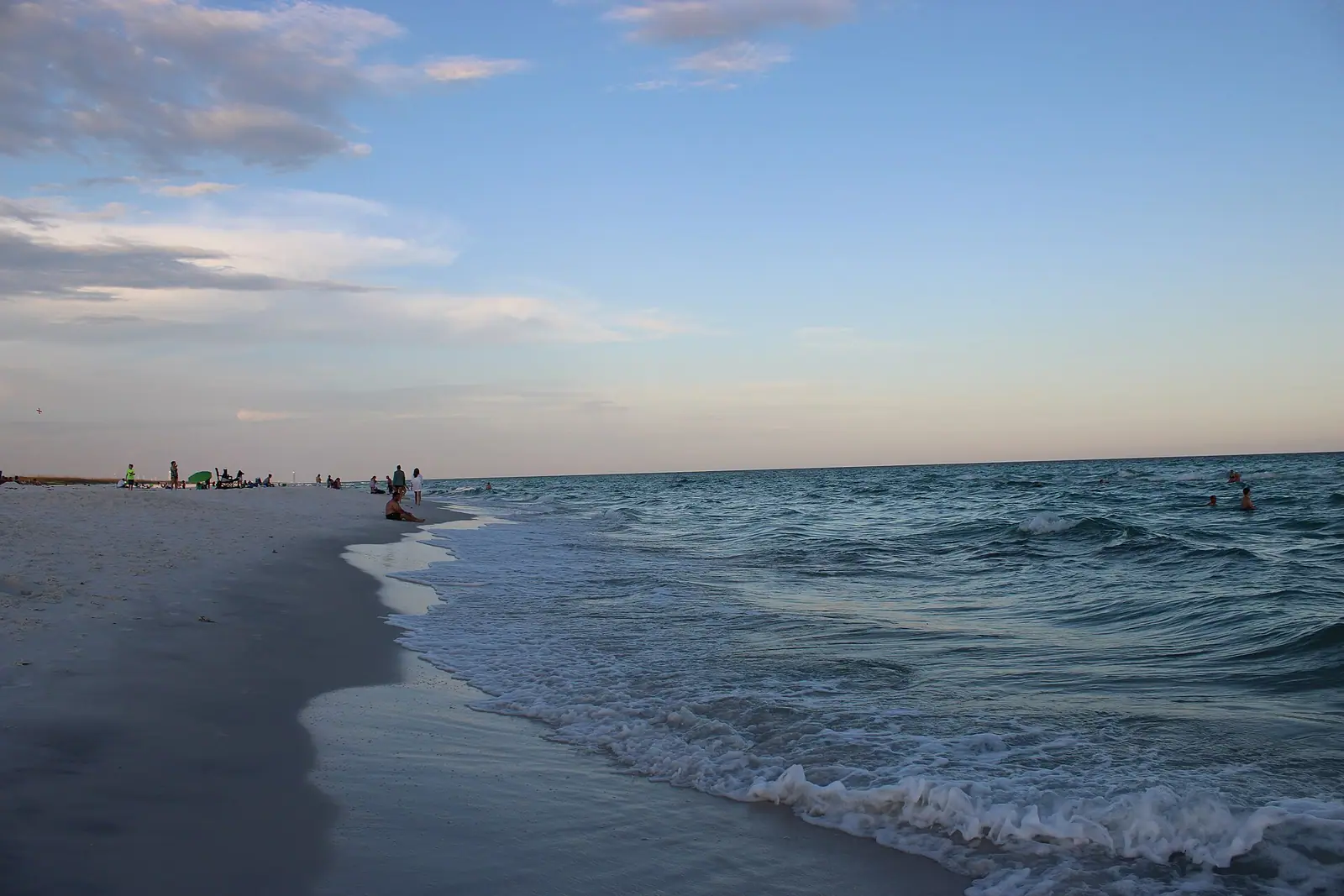
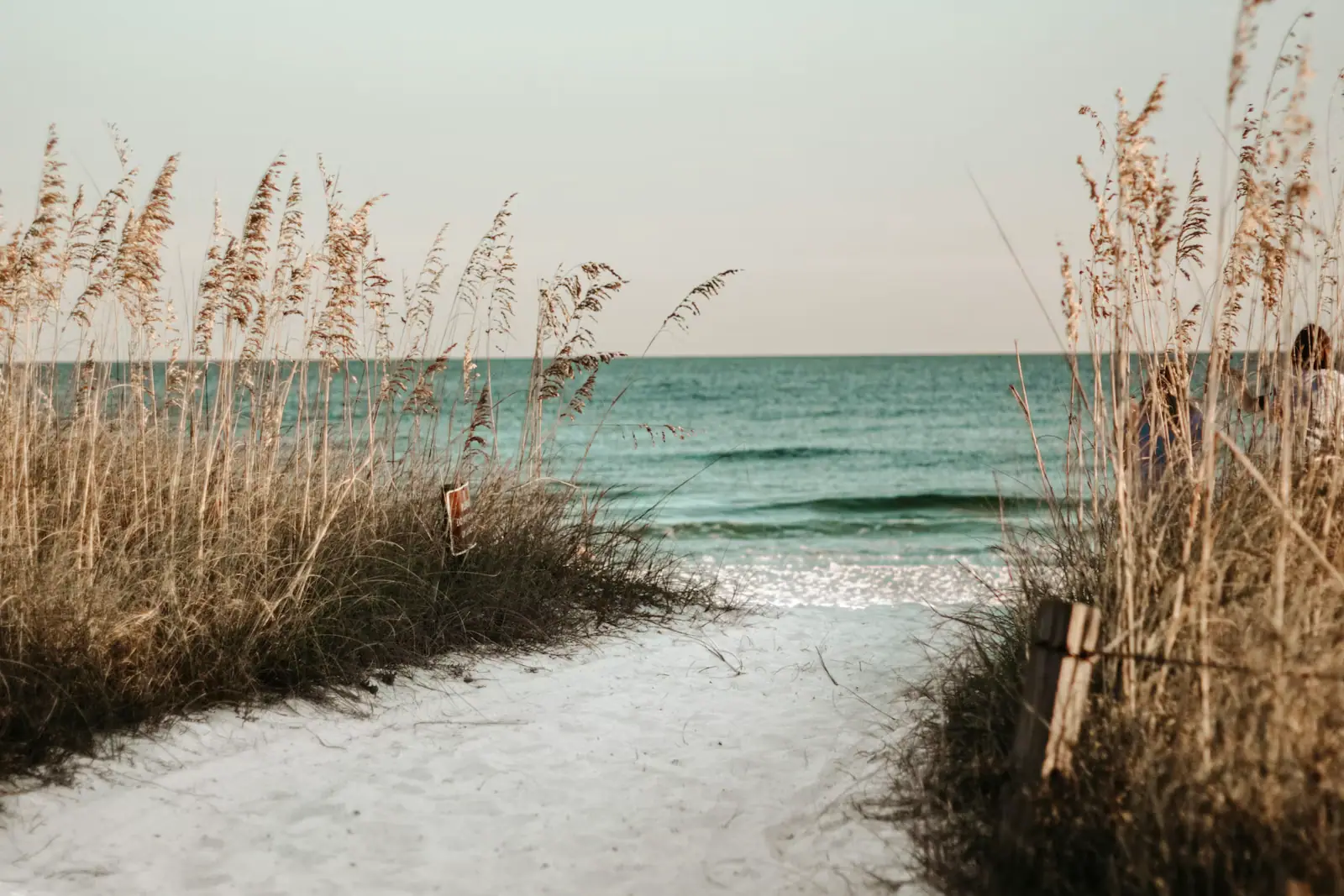
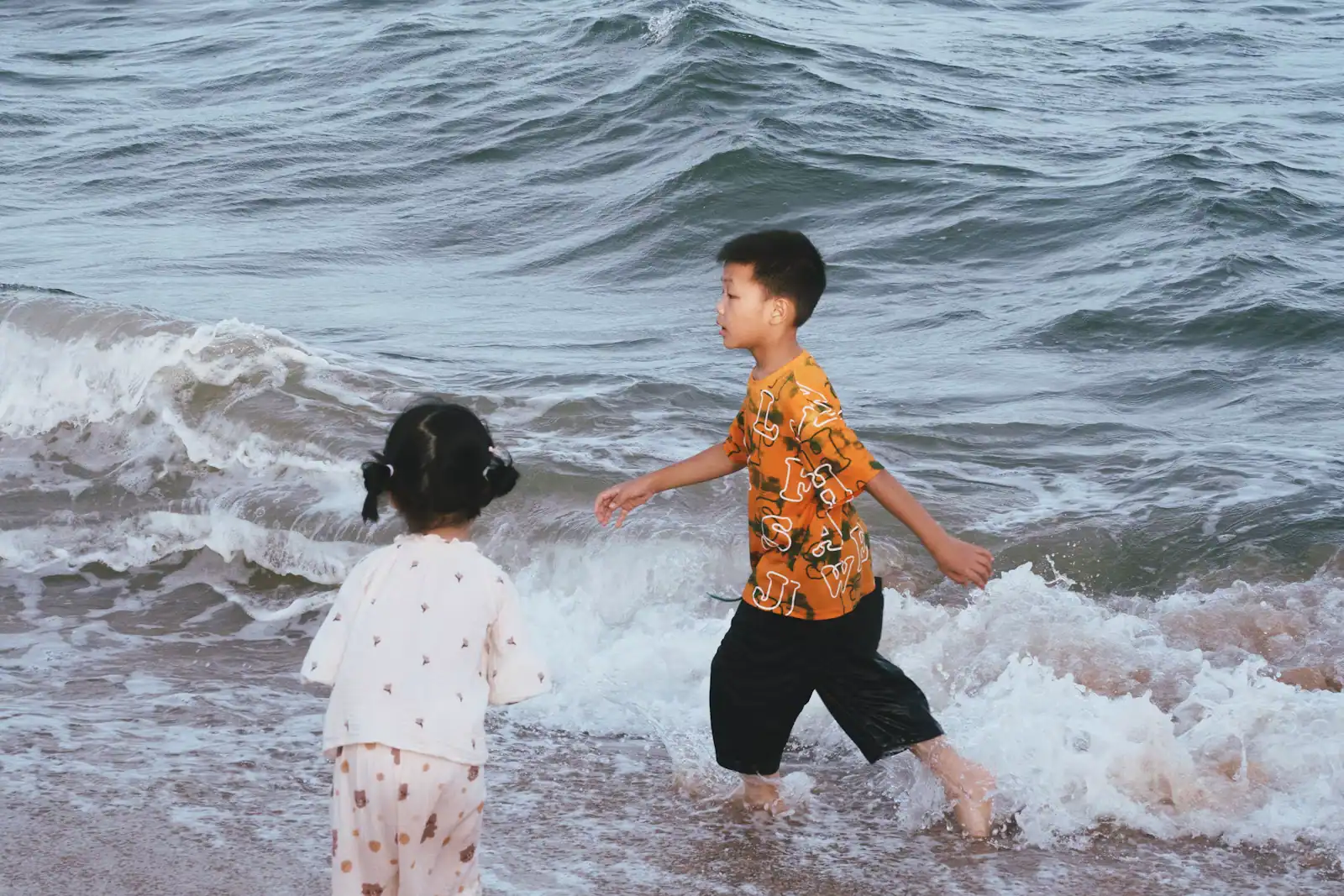
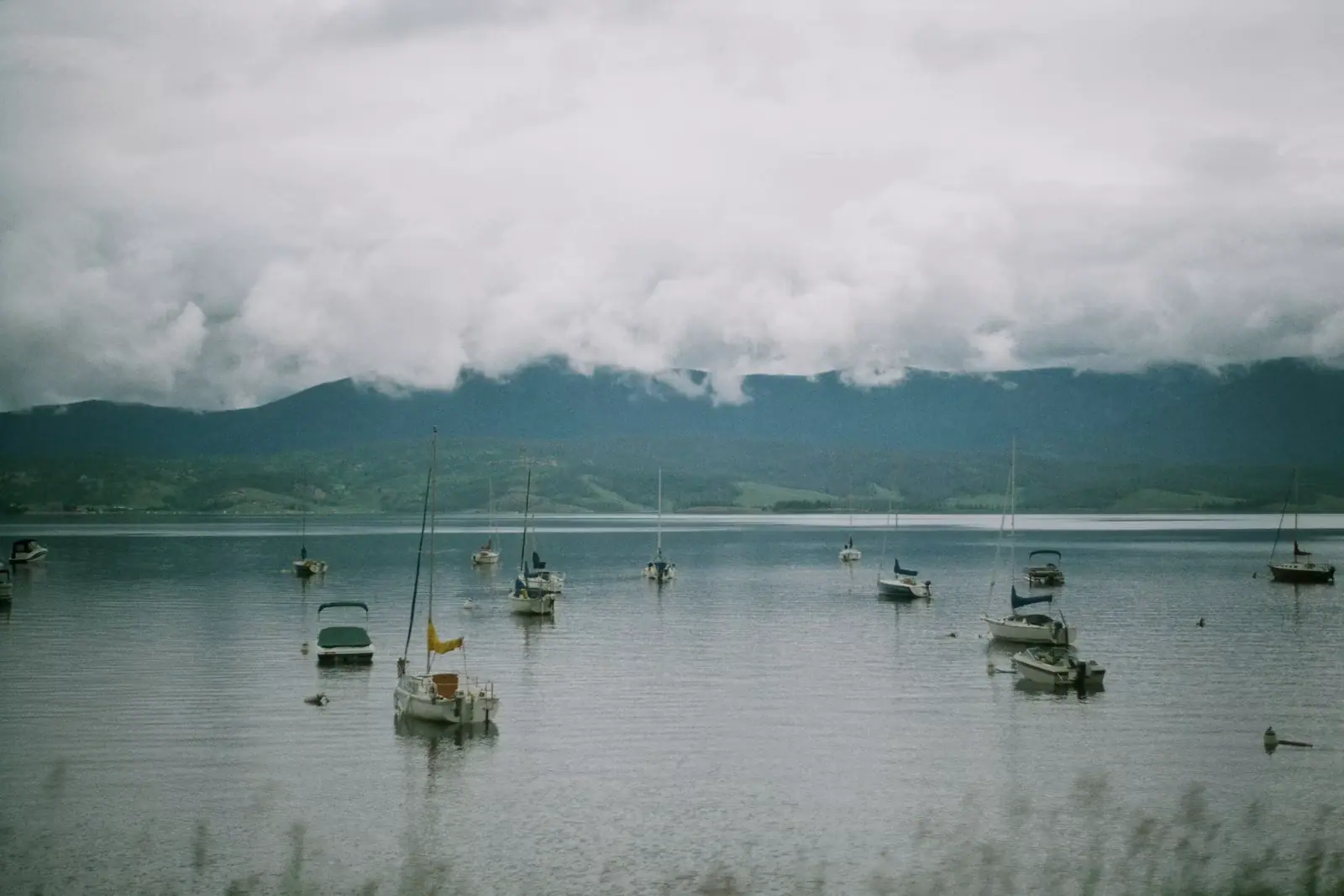
Fort Walton Beach is a mainland town and its beach is on an island. Get that straight before you book anything, because almost every mistake visitors make here follows from not knowing it. The city itself sits on the north shore of Santa Rosa Sound, wrapped around a prehistoric temple mound, a small downtown and two municipal golf courses. The Gulf shoreline the town is named for is Okaloosa Island, a segment of the barrier chain lying across the water, and you reach it by driving south over the Brooks Bridge on US 98. Nobody staying downtown walks to the Gulf. Everyone crosses, and that crossing is the most useful piece of local knowledge on this page.
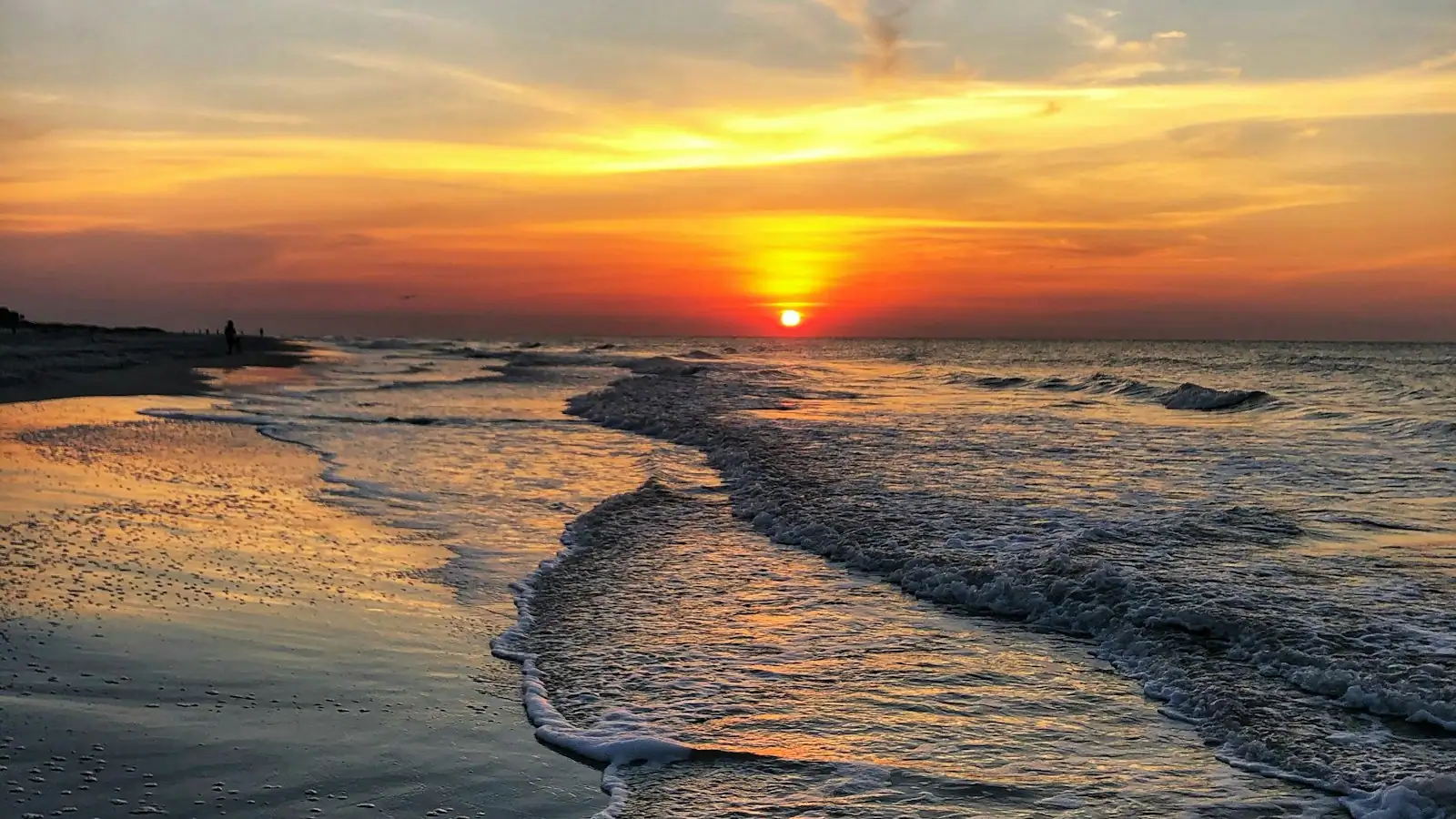
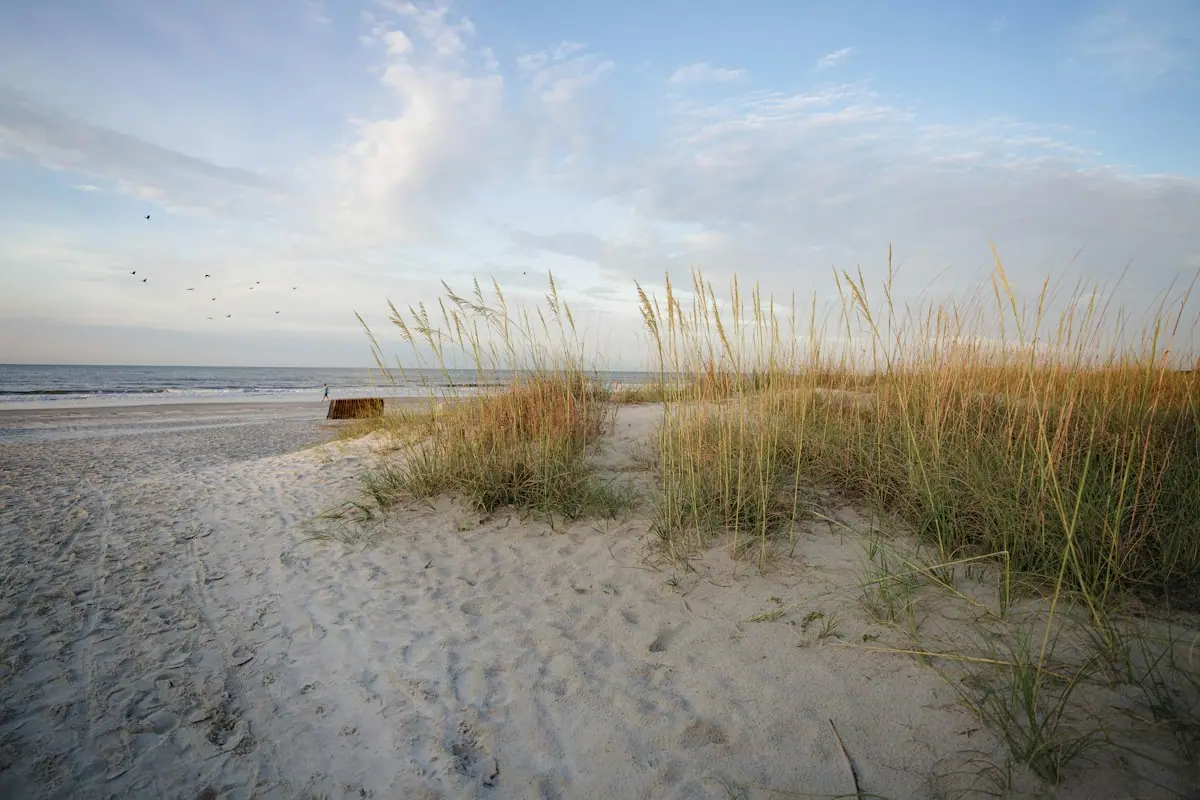
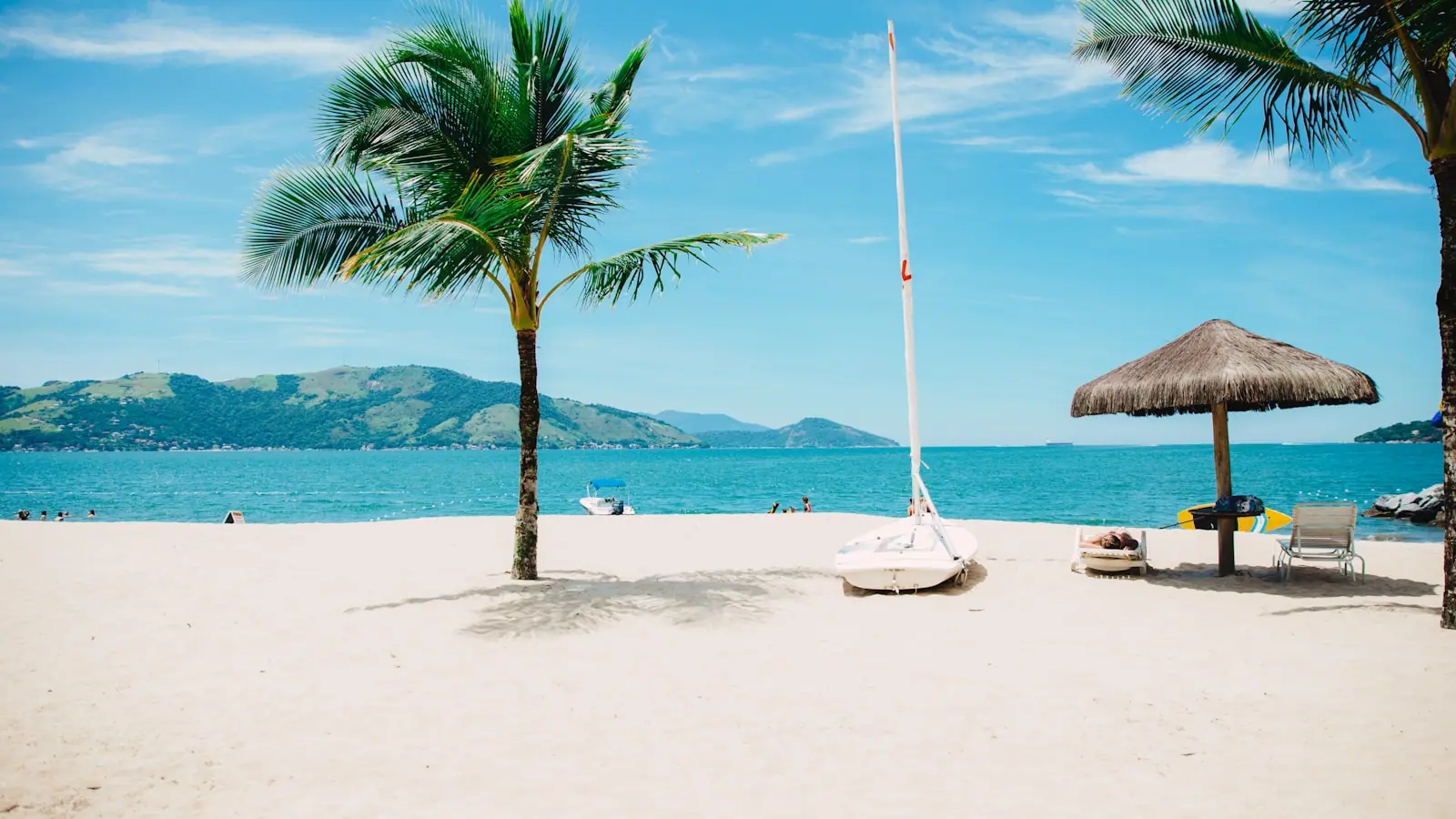
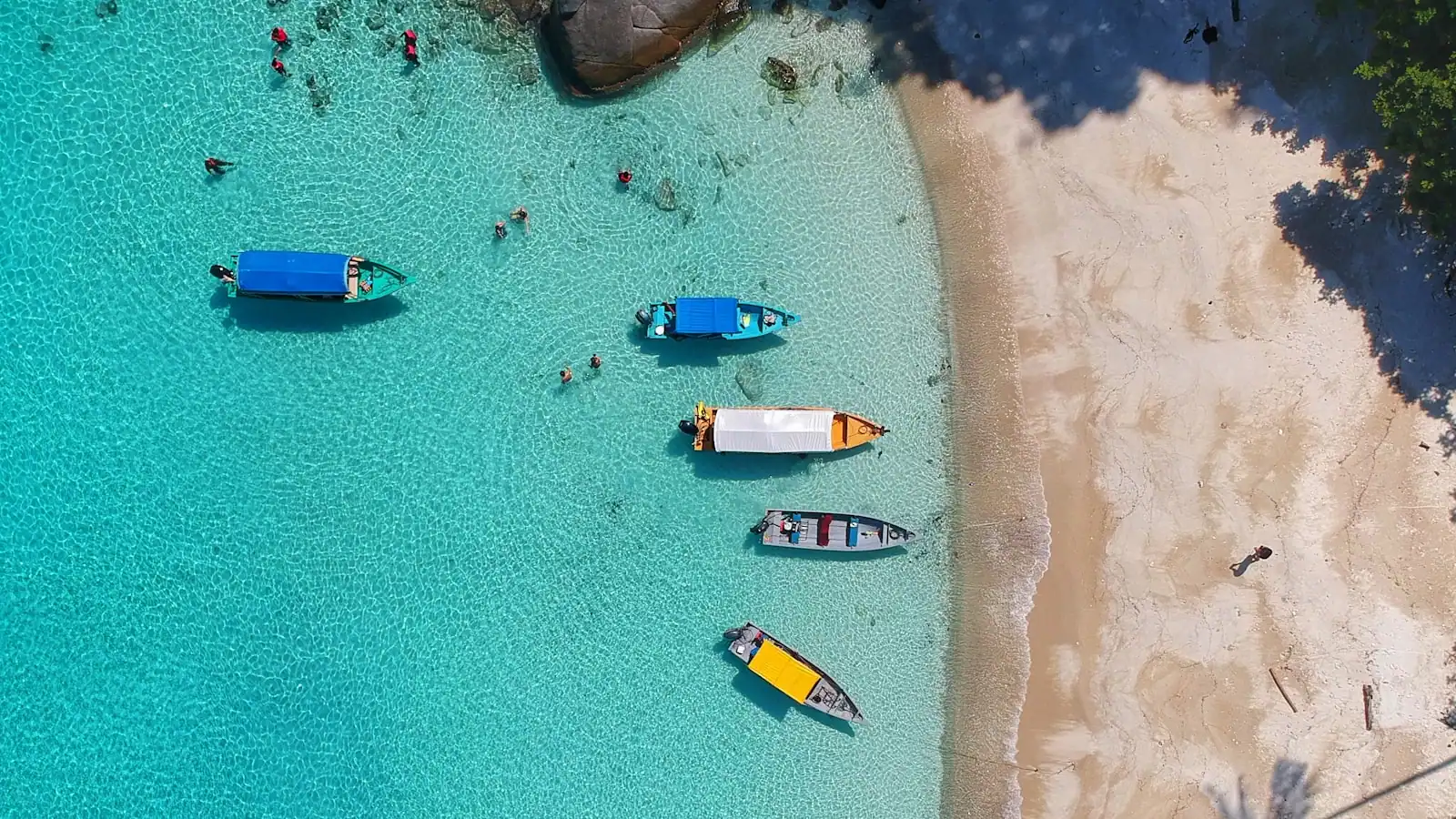
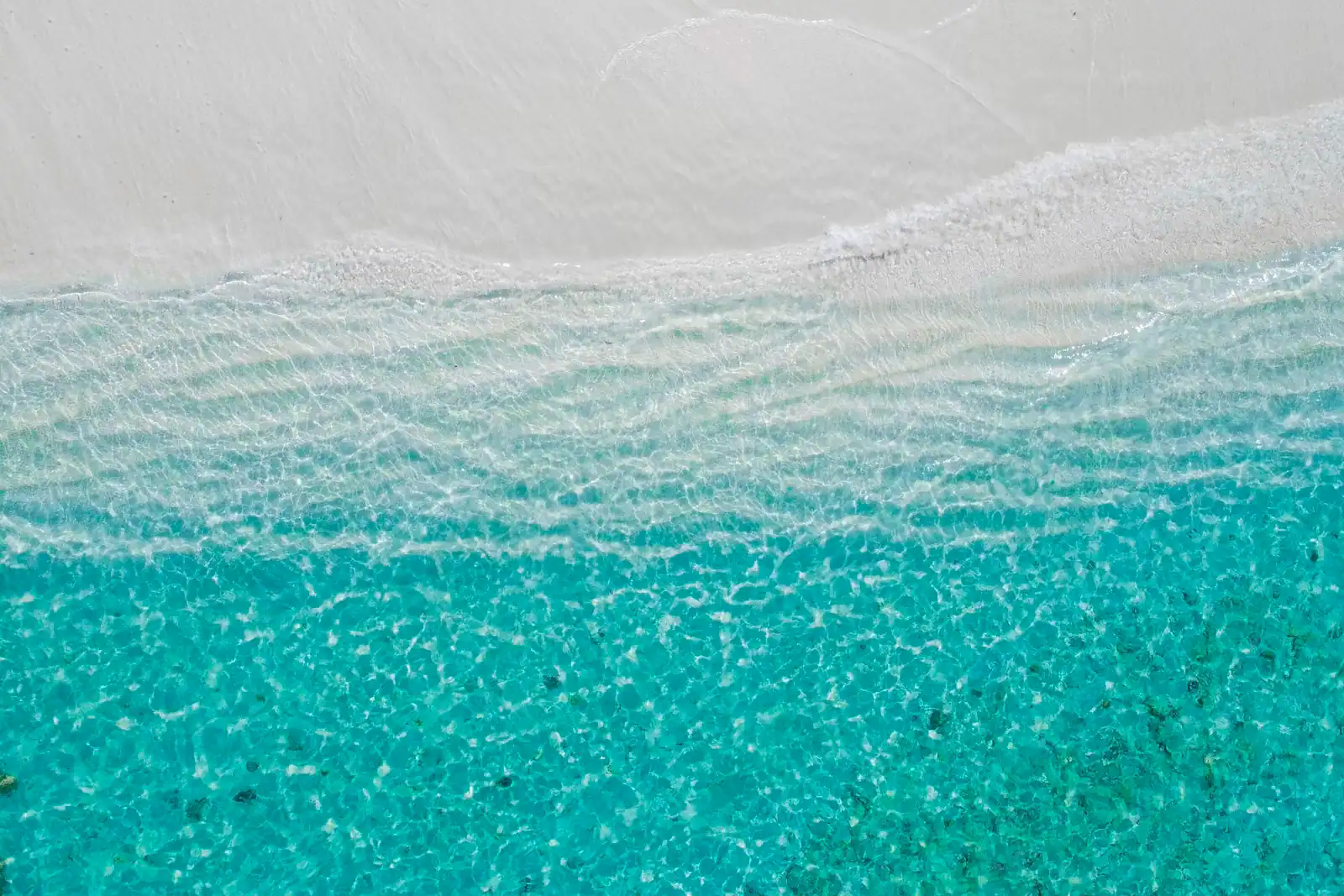
The colour of the water is the other thing people arrive sceptical about and leave convinced by. The sand here is close to pure quartz, ground fine in the Appalachian Mountains during the glacial periods and carried south to this coast by the Apalachicola drainage. It is unusually white, it reflects instead of absorbing, and it stays cool enough to walk on barefoot at two in the afternoon in July, which is not true of the darker, shell-heavy sand further down the peninsula. The seabed is made of the same material, so light entering the shallows bounces back up through the water column rather than being swallowed by it. Add the pigment carried by the plankton the Gulf runs in warm months and the result reads green rather than blue, most strongly in the first hundred yards where the bottom is brightest. Emerald Coast is a tourism-board name for a real optical effect.
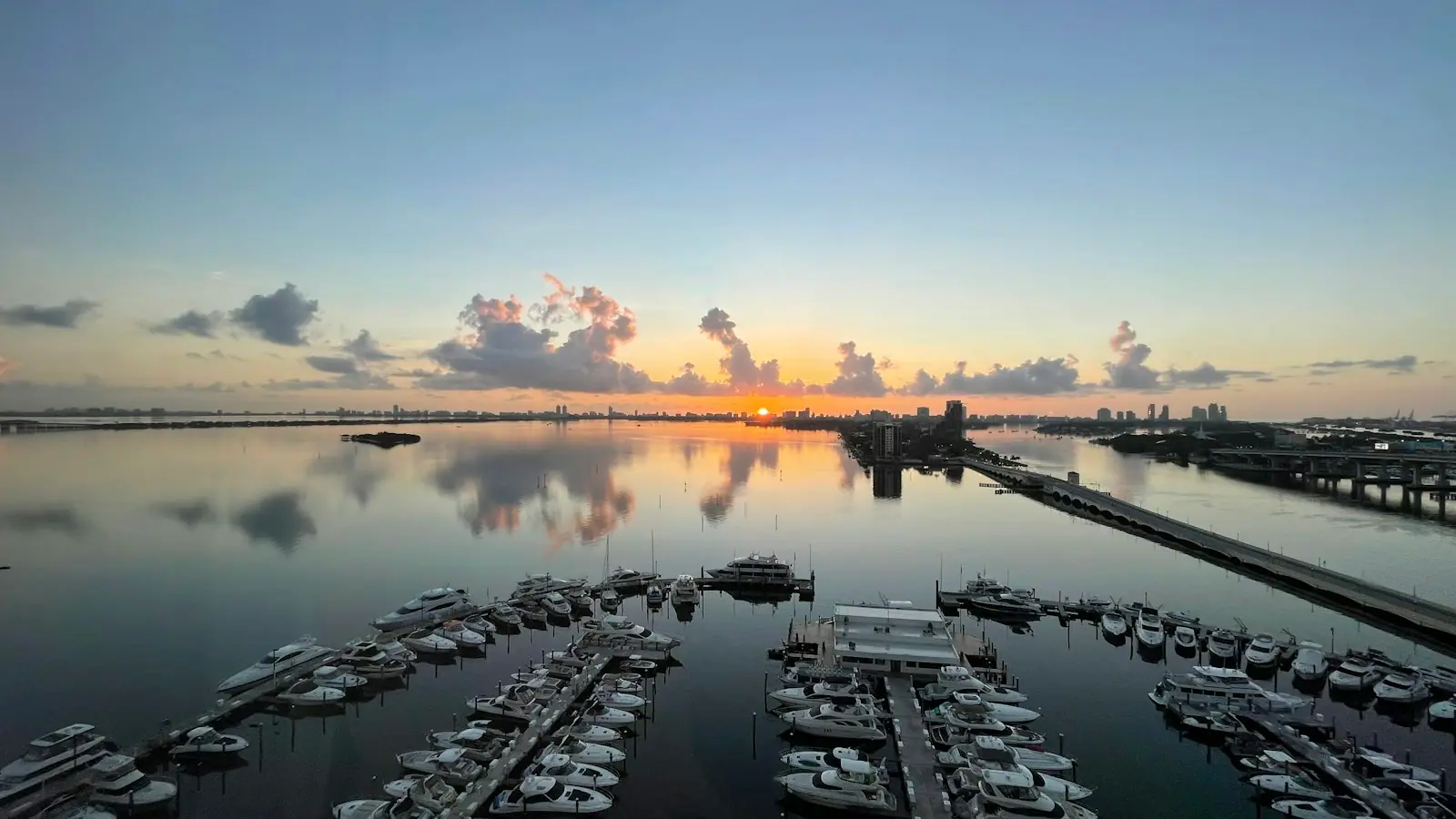
There are four separate kinds of beach in reach of a Fort Walton Beach address, and they suit entirely different days. Gulf-side county access on Okaloosa Island, which is free and where most visitors spend most of their time. The commercial strip at The Boardwalk beside the Okaloosa Island Pier, which trades some quiet for food, chairs and a bathroom you do not have to walk to. Sound-side mainland parks like Liza Jackson, where the water is waist-deep, flat and warm, and where you do not cross the bridge at all. And the paid options east in Destin, which are a different town with different rules and a different price.
A few things about this stretch of coast that are genuinely unlike the rest of Florida. There is no sargassum problem here; the weed that buries Miami Beach and the Keys in early summer does not reach this corner of the Gulf in any comparable quantity. Red tide is a southwest Florida story far more often than a Panhandle one, though it is not impossible here. The tide runs diurnally, one high and one low in roughly a day rather than the two-and-two most visitors expect, and the range is small. And Okaloosa County enforces its beach flags with an ordinance rather than a suggestion: when two red flags fly, the water is legally closed and entering it can cost you up to five hundred dollars.
The honest downsides. The Brooks Bridge is being replaced, the work runs for years, and traffic on US 98 at five in the afternoon in July is the price of the whole arrangement. July and early August are the busiest weeks of the year here by a distance. The Gulf is genuinely cold in February, whatever the sand looks like. And the pier charges to walk on it.