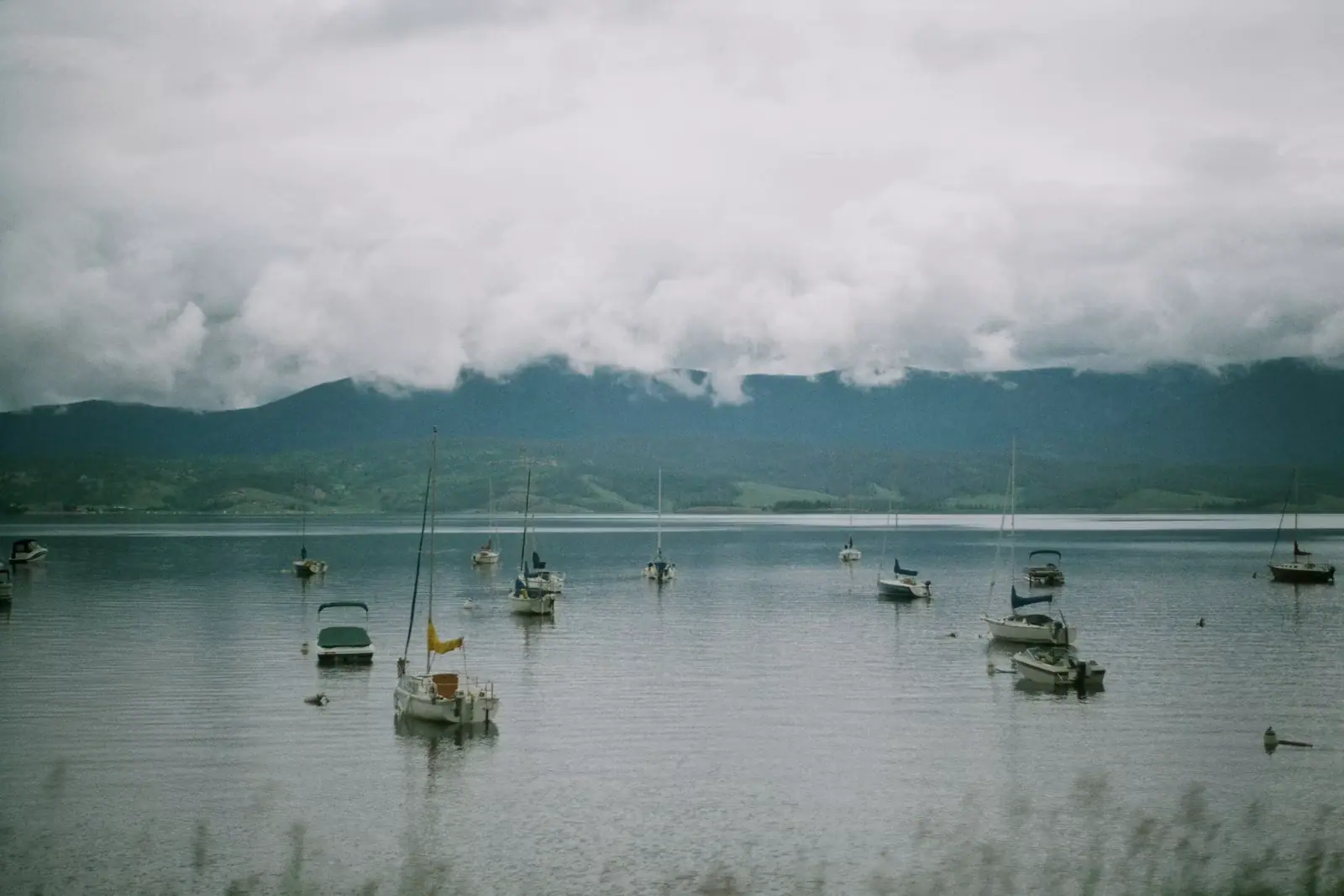
Ask when to come to a Florida beach town and you usually get a paragraph about average highs, which is the least informative number available. Every town from Pensacola to Panama City shares that curve.
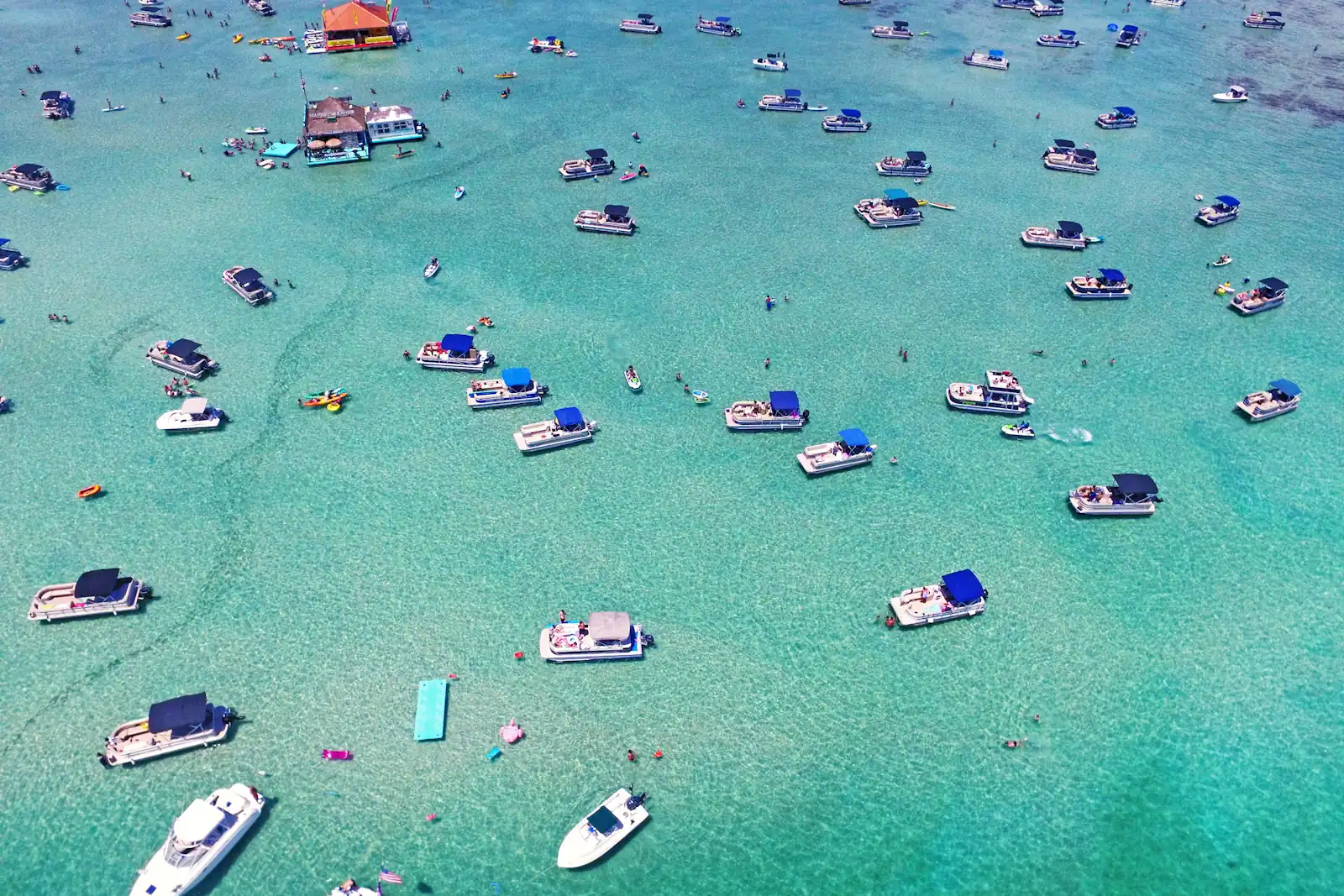
What actually varies here is narrower and more useful. The Gulf swings from about the low sixties in February to the mid-eighties in August, which decides whether the water is the point of the trip. Crab Island goes from empty to several hundred boats and back again. The town fills with three different populations at three different times of year (snowbirds, spring breakers, families), and they do not overlap. And the price of a week roughly doubles between September and July.
The year, month by month
| Month | Gulf water | Crowd and cost | What is going on |
|---|---|---|---|
| January | Coldest stretch, low sixties | Quiet. Cheapest beds of the winter | Snowbird season. Long empty beaches, restaurants half full |
| February | The year's low, around 61°F | Quiet, with a Presidents' Day bump | Cool, dry, bright. Walking weather, not swimming weather |
| March | Warming, still brisk | Spring break. Busy and getting busier through the month | Cobia run begins along the beach. Snowbirds heading north |
| April | Genuinely swimmable by month end | Easter spikes, then eases | One of the two best months. Crab Island quiet and warm enough |
| May | Warm and climbing | Building. Memorial Day weekend is the first crush | Turtle nesting opens on the 1st. Billy Bowlegs at the Landing |
| June | Warm, high seventies to low eighties | Peak family season starts in earnest | Crab Island at full volume on weekends. Afternoon storms begin |
| July | Bath-warm | The busiest month. US 98 at its worst | Fourth of July is the year's single hardest day for traffic |
| August | Warmest of the year, mid-eighties | Thins noticeably once schools go back | Hot, humid, stormy. The hurricane window opening properly |
| September | Still warm, high seventies to low eighties | Quietest and cheapest weeks of the year | Statistical peak of storm season. Excellent value if you insure |
| October | Cooling but comfortable | Filling at weekends, quiet midweek | Destin Fishing Rodeo all month. Seafood festival on the harbour |
| November | Dropping into the sixties | Quiet apart from Thanksgiving | Clear, dry, cool. Best month for the trails and the bayous |
| December | Cold for swimming | Quiet early, holidays fill it | Short days, low light on the water, empty beaches |
Those are the shape of a normal year, not a promise. Look at a forecast.
The two best windows, and why
Late April into May. The Gulf has come up enough to swim in, the spring break crowd has gone, the summer crowd has not arrived, and Crab Island has a few dozen boats on it rather than a few hundred. The only complication is Memorial Day weekend at the end of it.
September into October. The water is still warm from the summer, the crowds have gone home, the rates fall hard, and the light gets better as the humidity breaks. It is also the peak of hurricane season, which is the trade. Buy the insurance, read the evacuation clause in your rental agreement, and go.
Who is here when
This is a military town as well as a resort, which gives the calendar a shape that purely seasonal beach towns do not have. Something is always open. But three distinct visiting populations arrive at different times.
Snowbirds, roughly January to March. Long-stay visitors from the northern states and Canada, mostly in condominiums and RV parks, mostly not swimming. They fill restaurants at six o'clock and empty them by eight.
Spring breakers, March. Concentrated, loud in specific places, and much more a Panama City Beach phenomenon than a Fort Walton Beach one, but March is busy here regardless, and Okaloosa Island is not immune.
Families, June to early August. The dominant season. Condominiums full, Crab Island packed on weekends, the bridge slow, and the whole town organised around it.
Storm season, stated once
Hurricane season runs 1 June to 30 November, with activity concentrating from August into October. This coast has taken bad ones: Opal came ashore near Pensacola on 4 October 1995 and pushed roughly eight feet of sand across Okaloosa Island, with boats floating out of a marina onto US 98 in town. Ivan in 2004 struck west of here and Michael in 2018 struck well to the east.
In practical terms: a September week is the best value on the calendar and carries a real, small risk of disruption. Travel insurance that covers named storms is worth the money in those months and not much use in April. Rental agreements here almost all have a mandatory evacuation clause. Read it before you book, not after a cone appears on a map.
Fishing and water sport by season
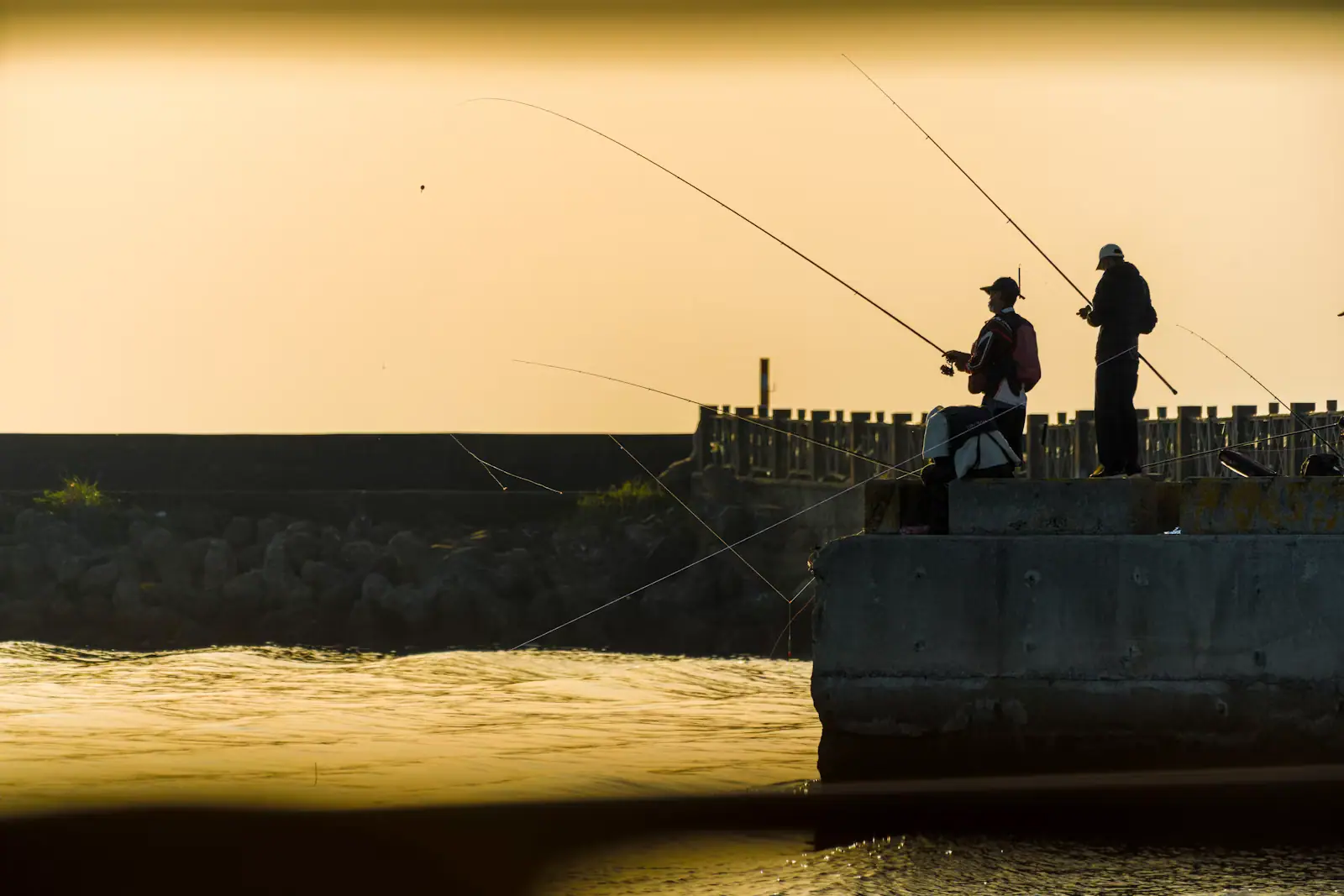
The cobia run moves east along the beach in roughly March and April and is this coast's spring event. Red snapper seasons are set annually and have recently opened in late May for private boats with a longer federal for-hire season from 1 June. Check the current dates rather than trusting last year's. October is the tournament month, with the Destin Fishing Rodeo running as it has every year since 1948.
For Crab Island, the sweet spots are late April to May and September to October: warm enough water, a fraction of the boats. Late June through August is the full experience, which some people want and some people are horrified by.
A note on what closes
Very little shuts here for the winter, which is one of the quiet advantages of a town with a year-round economy. What does change is frequency rather than existence: fewer charter departures, fewer dolphin cruises, seasonal hours at some watersports desks, and the water park in Destin closed outside the warm months. The museums, the pier and the beaches run all year.
Purple flags and the things that sting
A purple flag on an Okaloosa County beach means dangerous marine life, and on this coast that almost always means jellyfish rather than anything more dramatic.
Sea nettles and moon jellies arrive in pulses through the warm months, pushed in by a persistent onshore wind and gone again when it swings. Late summer is the likeliest window. Portuguese man o' war turn up occasionally in winter and spring on a southerly and deserve more respect than a jellyfish: the tentacles sting after the animal is dead and after it is stranded on the sand, so do not let children pick up the blue balloons.
Stingrays are the more common problem and an entirely avoidable one. They lie in the sand in the shallows through the warm months. Shuffle your feet as you walk out rather than stepping down, and they move off.
None of this is a reason to avoid the water. It is a reason to look at the flag pole and to teach a seven-year-old the shuffle before the first swim rather than after the first incident.
Last updated
Opening hours, ordinances and prices move with the season. We re-check this guide rather than rewrite it, and the date above is the last time someone did. How we research and correct.